


Vancouver LEED Waste Reporting
Diversion Tracking for Construction Projects
LEED-oriented construction projects require organized waste tracking, material separation, and diversion-focused hauling. Peak Disposal provides Vancouver LEED waste reporting support for contractors, developers, and commercial construction teams that need coordinated waste handling and structured reporting support.
Get LEED Waste Reporting Support in Vancouver Today!
LEED waste reporting is designed for construction and demolition projects that require measurable diversion tracking and organized waste documentation throughout active project phases.
This type of waste management support is commonly used for:
Commercial construction projects
Tenant improvements
Institutional developments
Multi-phase redevelopment projects
LEED-oriented construction programs
Large-scale demolition and renovation work
LEED waste reporting exists to help projects track how construction debris is separated, hauled, processed, and diverted away from landfill. Unlike standard construction hauling alone, diversion-focused waste management requires ongoing coordination between site operations, hauling schedules, material separation practices, and documentation workflows.
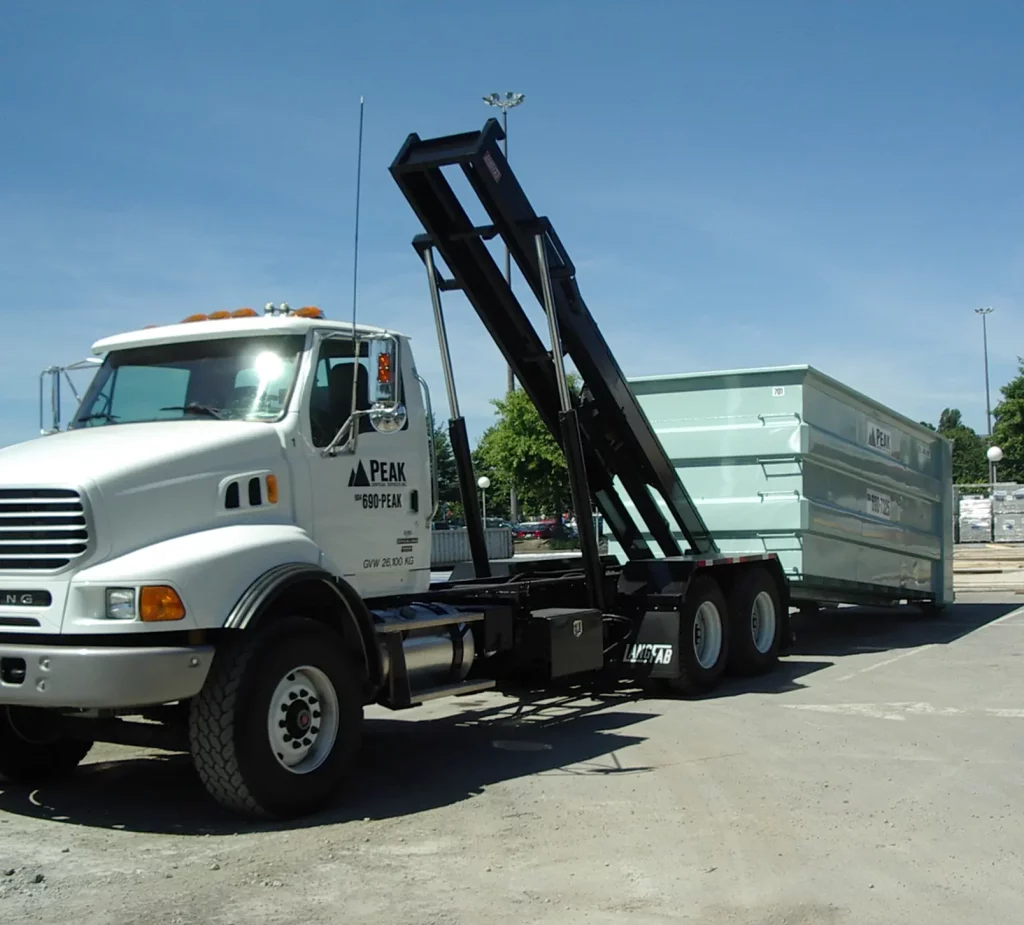
Why Consistent Diversion Reporting Matters on Active Construction Projects?
For construction projects in Vancouver, reporting consistency is especially important because waste tracking often affects sustainability requirements, consultant reviews, project closeout documentation, and broader LEED-oriented objectives.
LEED waste reporting becomes especially important on projects where:
- diversion targets must be documented
- multiple recyclable material streams are generated
- contamination risks affect diversion performance
- waste handling procedures must remain consistent across trades
- reporting requirements continue throughout multiple construction phases
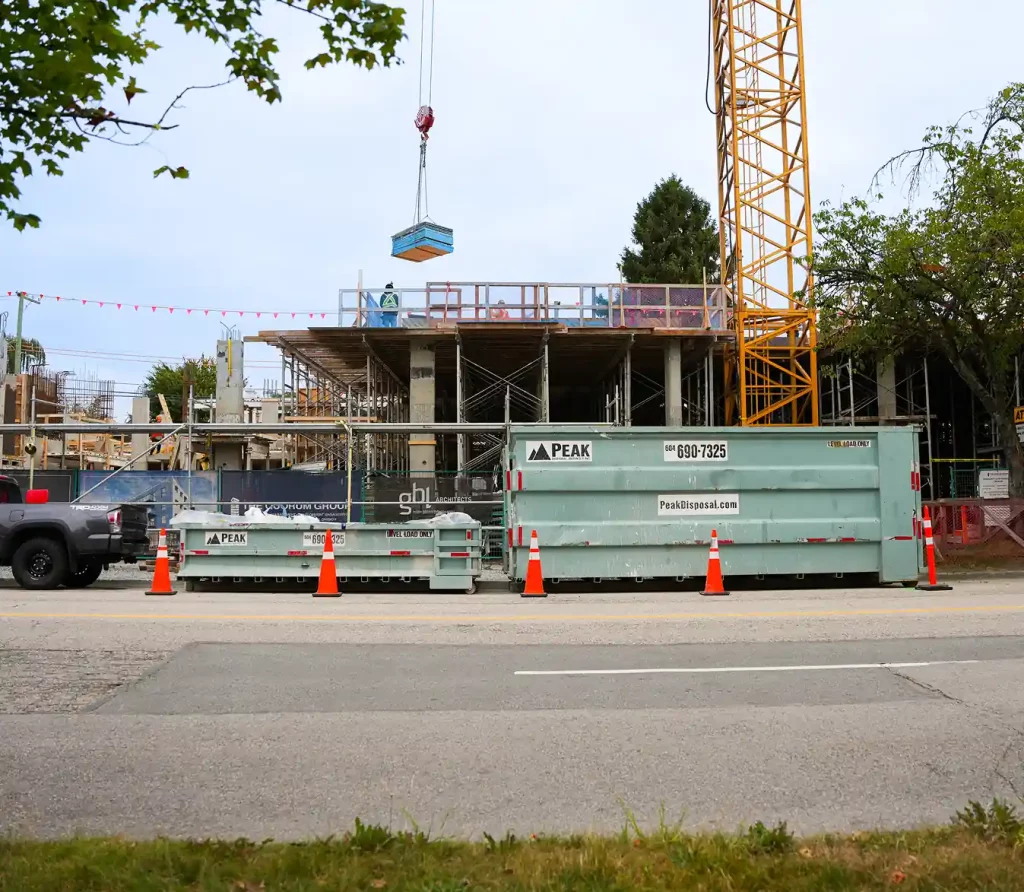
Waste Bin Options and Material Separation Support Available in Vancouver
Different construction phases generate different waste streams, and proper separation plays a major role in supporting cleaner diversion outcomes and more reliable reporting.
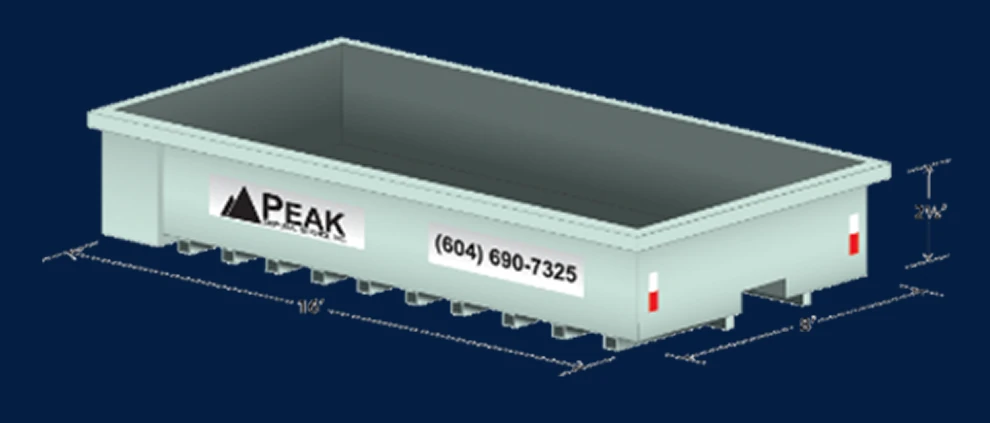
10-Yard
Concrete, Masonry, Dense Debris
- Approx. Dimensions: 12’ x 8’ x 2’
- Weight Considerations: Helps Isolate Heavy Recyclable Materials
Best for:
Heavy Material Separation
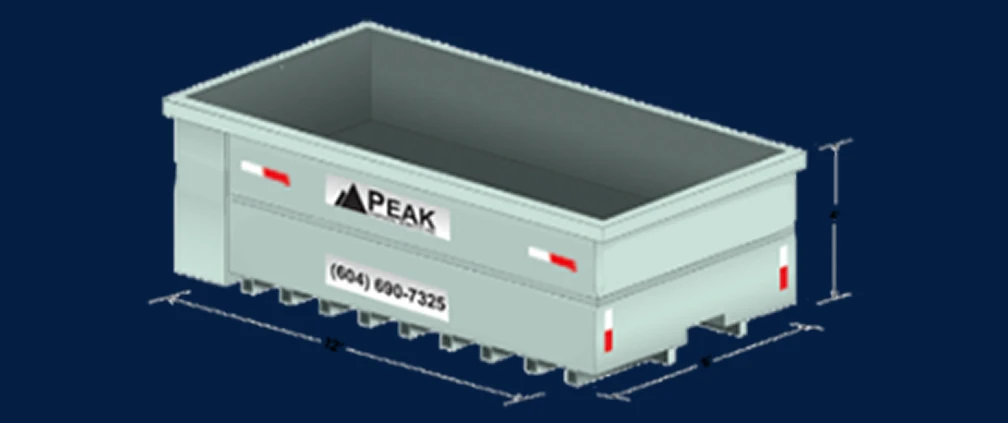
14-Yard
Drywall, Flooring, Interior Demolition
- Approx. Dimensions: 14’ x 8’ x 3’
- Weight Considerations: Supports Cleaner Source Separation
Best for:
Renovation & TI Projects
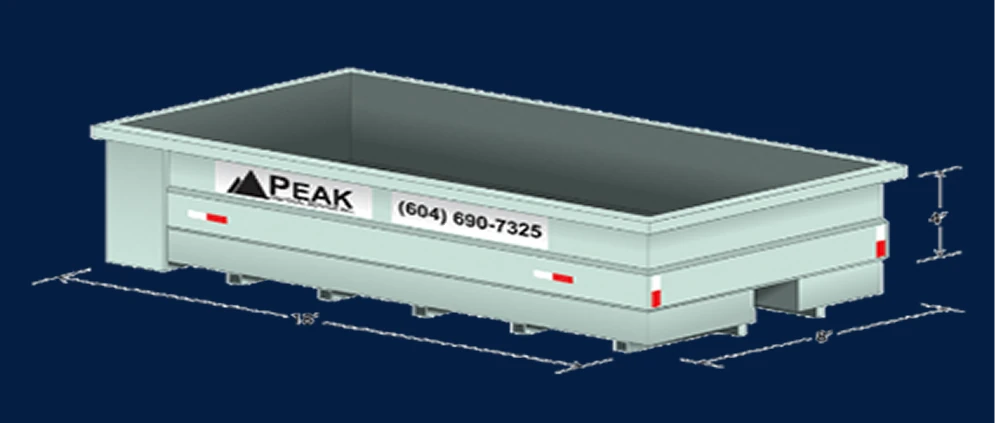
20-Yard
Mixed Construction Debris
- Approx. Dimensions: 16’ x 8’ x 4’
- Weight Considerations: Balances Hauling Efficiency & Separation
Best for:
Active Construction Phases
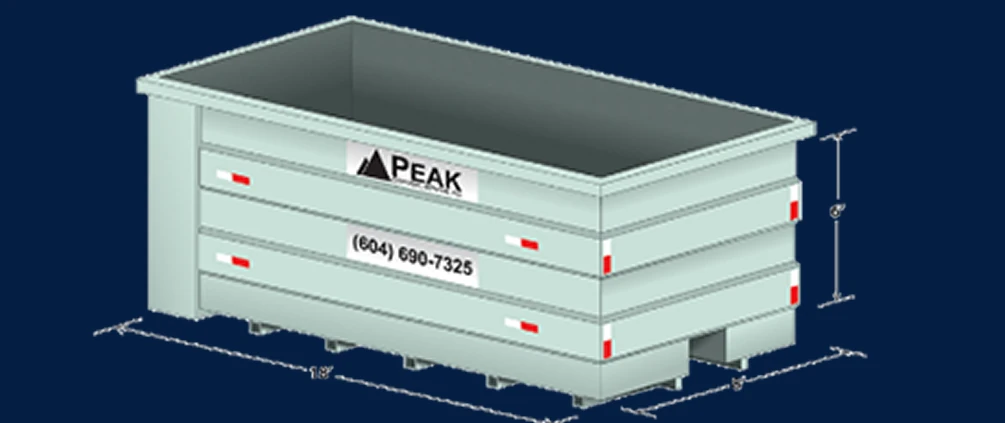
30-Yard
Large Demolition Waste
- Approx. Dimensions: 18’ x 8’ x 6’
- Weight Considerations: Better For Lighter High-Volume Streams
Best for:
Commercial Redevelopmen
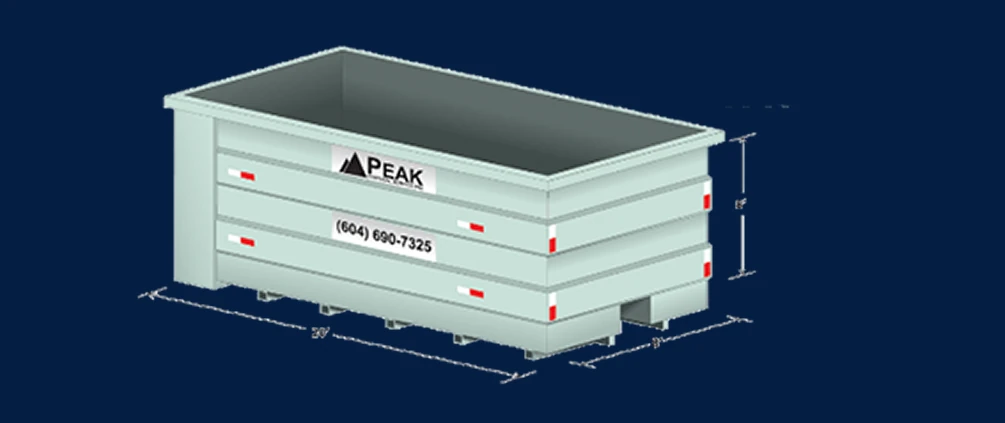
40-Yard
Bulky Recyclable Debris
- Approx. Dimensions: 20’ x 8’ x 8’
- Weight Considerations: Supports Larger Diversion Programs
Best for:
Multi-Phase Commercial Projects
Important: Dedicated bins for recyclable materials can help reduce contamination and improve diversion tracking reliability throughout the project lifecycle.
Improve Diversion Performance Before Reporting Problems Begin
Diversion reporting issues often start on site long before project documentation is reviewed. Mixed loads, inconsistent separation practices, and overloaded bins can reduce diversion performance and complicate reporting later in the project.
Organizing waste streams early helps improve reporting consistency and supports cleaner diversion outcomes throughout active construction phases.
Dispatch can help coordinate:
- material separation planning
- hauling schedules for multiple waste streams
- swap frequency for active projects
- diversion-focused waste handling support
- placement considerations for source-separated bins
What Materials Are Commonly Tracked for LEED Waste Reporting?
LEED-oriented waste programs typically focus on separating recyclable and recoverable materials into cleaner waste streams that support diversion tracking and reporting accuracy.
Commonly Separated Materials
- Wood
- Concrete
- Metal
- Cardboard
- Drywall
- Asphalt roofing materials
- Mixed recyclable construction debris
Restricted or Prohibited Materials
- Hazardous waste
- Asbestos-containing materials
- Liquids
- Food contamination
- Paints and solvents
- Mixed contaminated debris
Important: Contaminated loads can reduce diversion performance and may affect how materials are processed or documented at receiving facilities.
How LEED Waste Reporting Support Is Structured in Vancouver?
LEED waste reporting involves more than hauling debris away from site. Reporting workflows typically rely on ongoing documentation and coordination throughout the project.
Common reporting considerations include:
material separation consistency
diversion tracking
weight-ticket collection
hauling summaries
facility processing documentation
contamination reduction
Why Early Waste Coordination Improves Reporting Consistency?
Projects pursuing LEED-oriented goals often require organized documentation throughout construction phases rather than only at project completion.
Because of this, waste handling procedures are usually most effective when integrated into broader construction coordination from the beginning of the project.
How LEED Waste Reporting and Diversion Tracking Work in Vancouver?
Diversion-focused waste handling requires coordination between active job sites, hauling schedules, and receiving facilities that process recyclable materials.
Peak Disposal coordinates hauling and waste handling support based on project workflows, with dispatch support available for active construction projects requiring ongoing diversion coordination.
The process typically includes:
Project Assessment
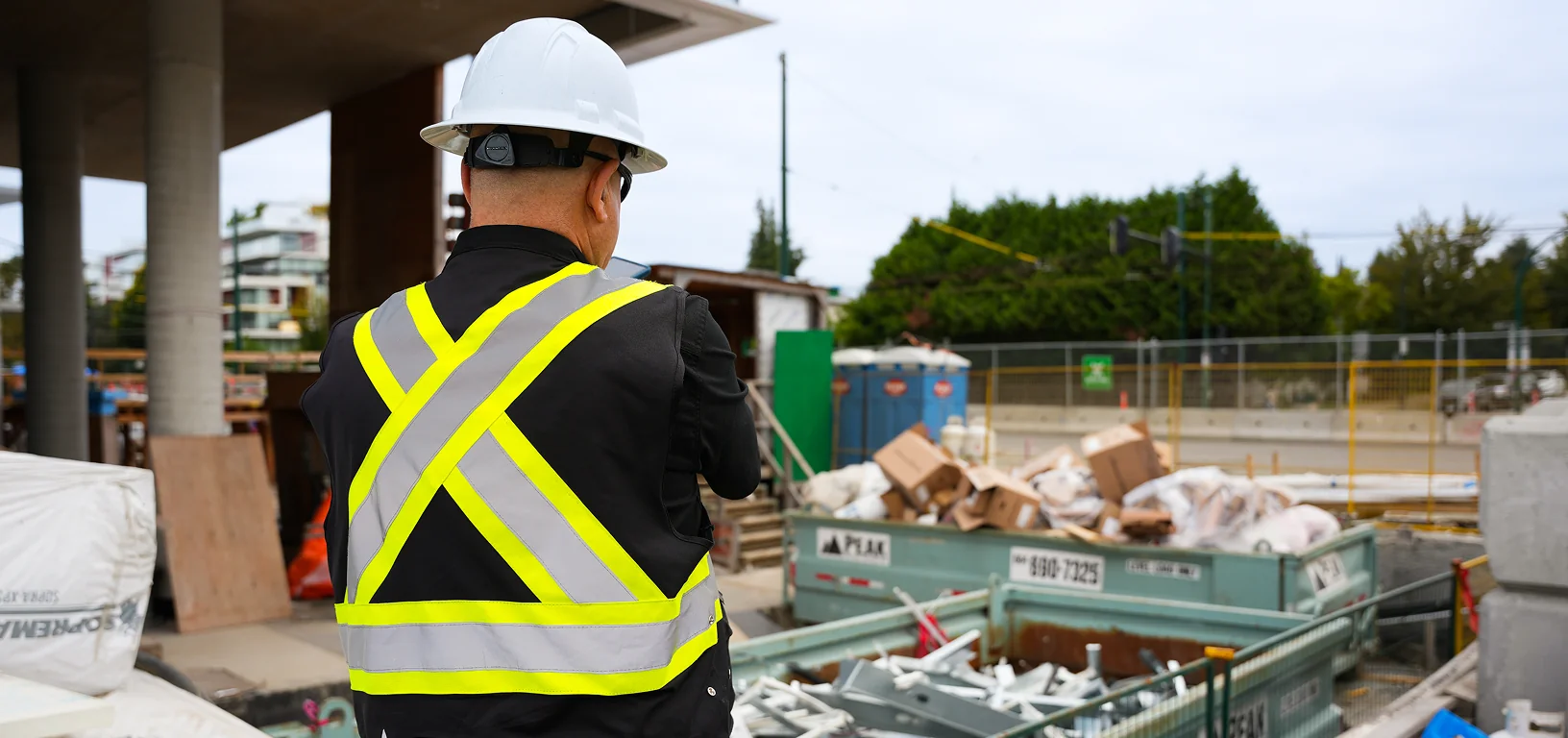
Waste streams, separation requirements, and diversion goals are reviewed before delivery.
Bin Delivery
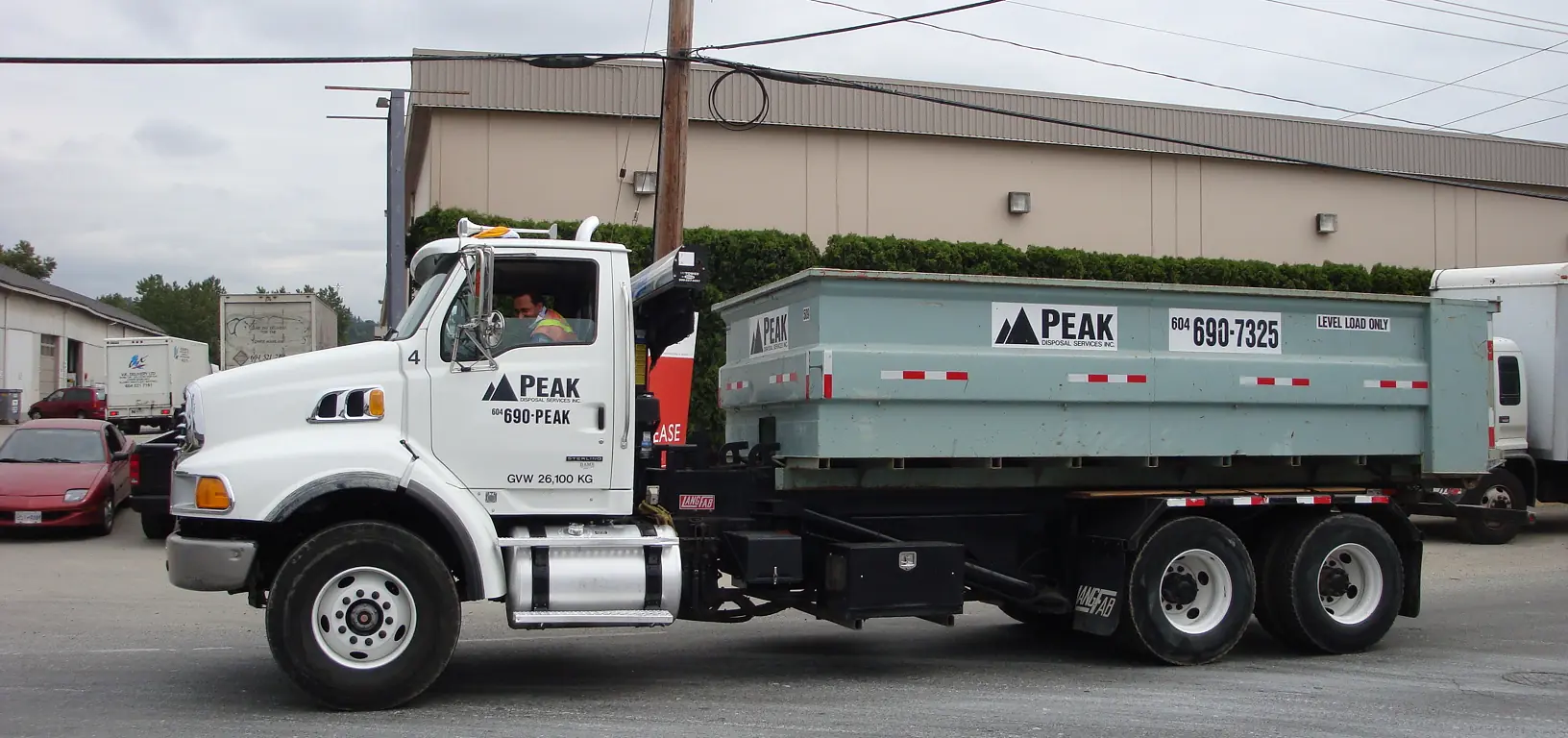
Dedicated bins are coordinated based on material type, access conditions, and project layout.
Ongoing Waste Coordination
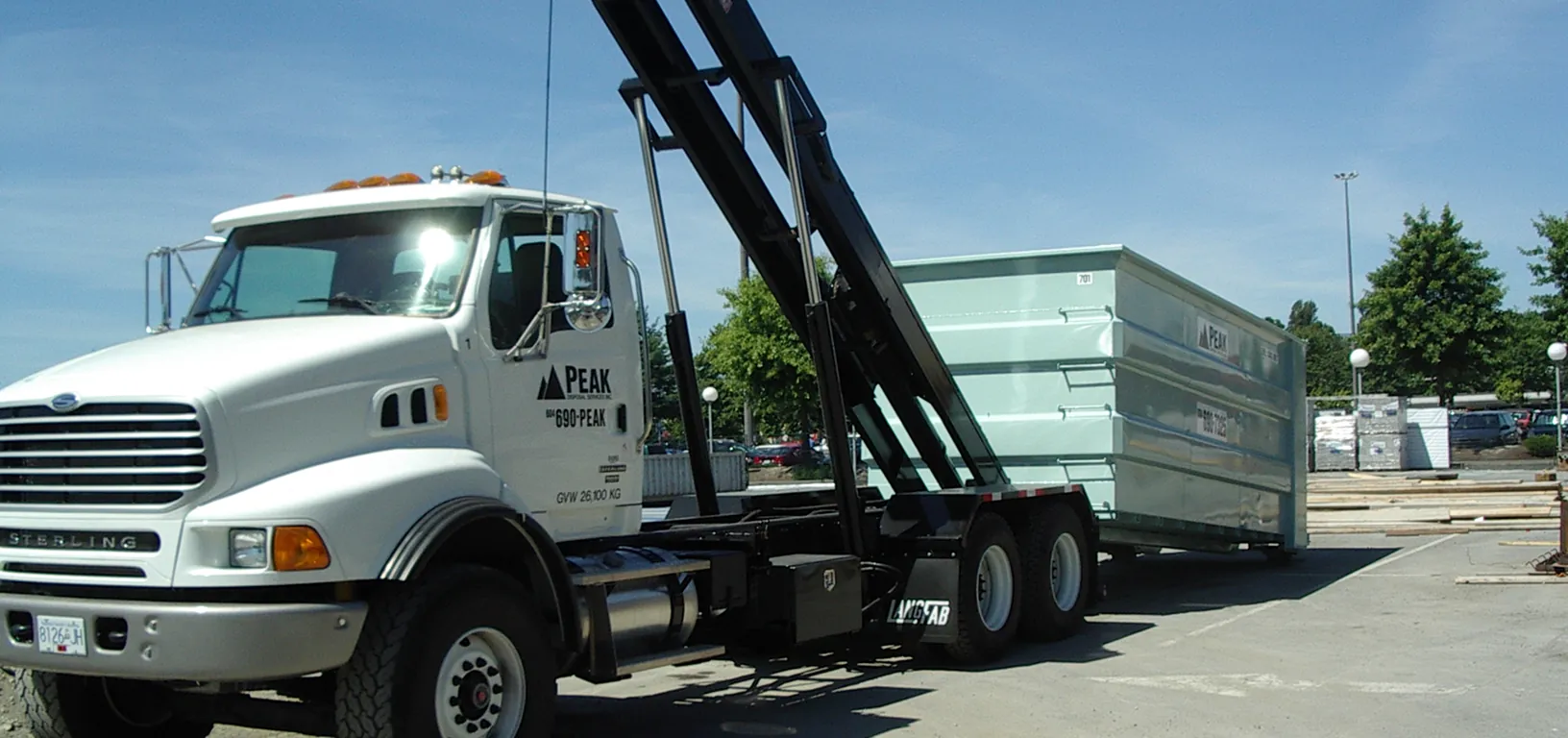
Hauling schedules and bin swaps are adjusted as project phases evolve.
Processing and Documentation
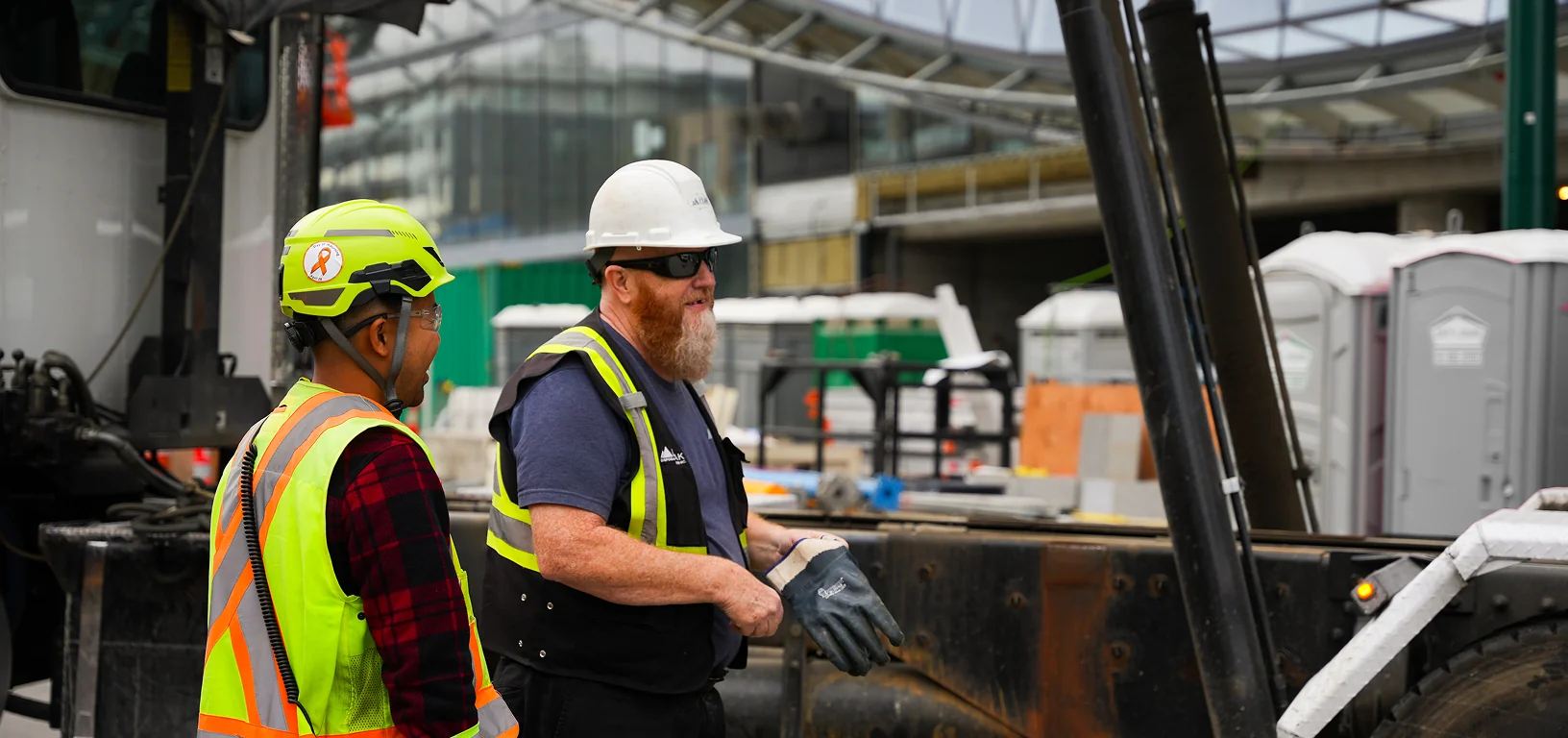
Materials are hauled to licensed disposal or recycling facilities for processing and diversion tracking support.
Consistent separation and hauling coordination help improve diversion outcomes while reducing contamination risks during active construction phases.
Request a Diversion-Focused Waste Management Quote
Waste reporting requirements vary depending on project size, diversion goals, and the number of active waste streams involved. Clear hauling coordination and organized reporting support help reduce avoidable documentation gaps later in the project lifecycle.
Local Waste Diversion and Construction Requirements in Vancouver
Construction waste handling in Vancouver is increasingly influenced by diversion-focused project requirements, sustainability objectives, and the operational challenges of coordinating waste separation within active urban construction environments, including:
diversion-focused project requirements
landfill reduction initiatives
recycling expectations
permit and site-access limitations
commercial sustainability objectives
Projects generating significant construction waste may require additional coordination to maintain cleaner separation practices and organized diversion reporting throughout the project lifecycle.
Dense urban construction conditions can also affect:
- bin placement logistics
- hauling access
- swap scheduling
- material staging areas
For many Vancouver commercial projects, diversion-focused waste handling is now closely tied to broader construction coordination and sustainability planning.
Need Help Coordinating LEED Waste Reporting in Vancouver?
Peak Disposal supports Vancouver construction projects requiring organized diversion-focused waste handling, coordinated hauling schedules, and ongoing reporting support across active project phases.
Address:
Suite 205, 145
Schoolhouse Street
Coquitlam BC V3K 4X8
Phone:
Dispatch (604) 200-6818
Office (604) 265-9823
Working Hours:
Monday - Saturday: 7:00 AM - 4:00 PM
Sunday: Closed
Find Us on the Map
Serving Burnaby, Vancouver, and surrounding areas
Common Projects That Use LEED Waste Reporting Support
Peak Disposal supports Vancouver LEED waste reporting for:
commercial construction projects
institutional developments
tenant improvements
redevelopment projects
demolition and reconstruction work
sustainability-focused construction programs
For projects involving multiple recyclable waste streams, separate bins and coordinated hauling schedules can help improve diversion consistency and reporting reliability.
Why Contractors and Developers Choose Peak Disposal?
Diversion-focused waste handling affects more than sustainability objectives alone. Organized reporting and cleaner material separation also help support:
more consistent project documentation
cleaner job sites
reduced contamination risks
predictable hauling coordination
smoother project closeout processes
Peak Disposal supports Vancouver LEED-oriented projects through:
diversion-focused hauling coordination
Organized hauling aligned with diversion objectives
source-separated waste support
Cleaner material separation for improved diversion tracking
licensed disposal and recycling facilities
Approved processing for recyclable material streams
LEED-oriented waste handling workflows
Structured waste management that supports reporting consistency
practical scheduling based on active construction conditions
Flexible coordination aligned with evolving project phases
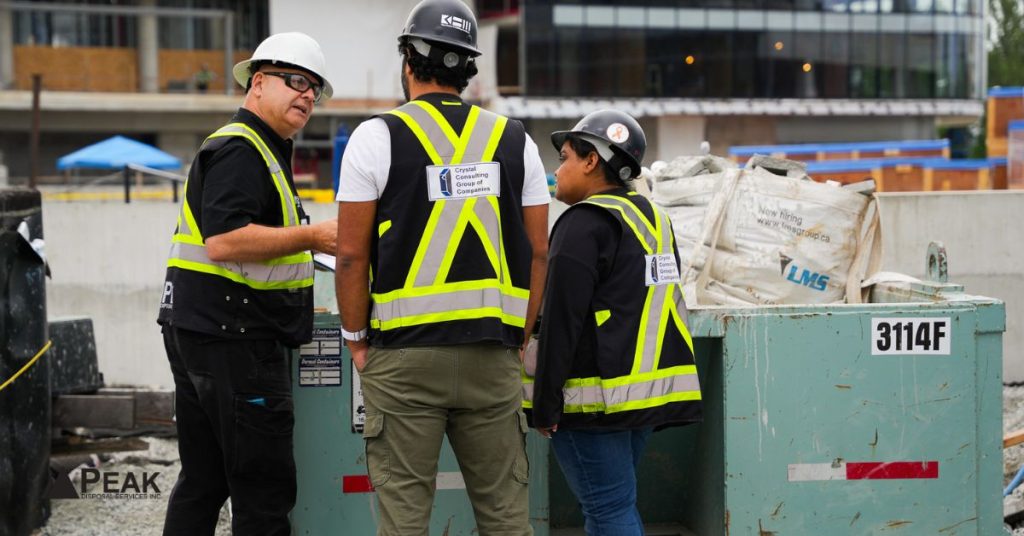
This operational approach helps waste diversion and reporting function as part of overall construction coordination rather than as a disconnected administrative process.
FAQs
What is LEED waste reporting?
LEED waste reporting tracks how construction debris is separated, processed, and diverted away from landfill through organized recycling and recovery programs.
Why is material separation important for diversion reporting?
Cleaner material separation improves diversion accuracy, reduces contamination, and supports more reliable reporting documentation.
What documentation is usually involved?
Projects commonly track weight tickets, hauling summaries, diversion calculations, and facility processing records throughout construction phases.
Can mixed waste loads affect diversion performance?
Yes. Mixed or contaminated loads can reduce diversion rates and complicate reporting accuracy.
What types of projects typically require LEED waste reporting?
Commercial construction, institutional projects, redevelopment work, and LEED-oriented construction programs commonly require diversion-focused reporting support.
Request LEED Waste Reporting Support in Vancouver Today
Get organized diversion-focused hauling, coordinated waste separation support, and dependable reporting workflows for active construction projects across Vancouver.