


Construction Bin Rental in Vancouver
Fast Delivery and Reliable Bin Swaps
Construction projects generate debris quickly during demolition, framing, roofing, and renovation work. Peak Disposal provides construction bin rental in Vancouver for contractors and builders that need dependable hauling, flexible scheduling, and coordinated bin service.
Get a Construction Bin Rental in Vancouver Today!
Construction bins are designed for projects generating ongoing debris rather than occasional household waste.
These Bins Are Commonly Used During:
Demolition debris
Renovation waste
Roofing materials
Drywall and wood waste
Concrete and heavy materials
Commercial tenant improvements
Construction bin rental exists to support projects that generate continuous debris throughout active work phases. Unlike standard residential cleanup bins, construction bins are intended for ongoing loading, heavier material streams, coordinated hauling schedules, and faster swap cycles that keep job sites operational.
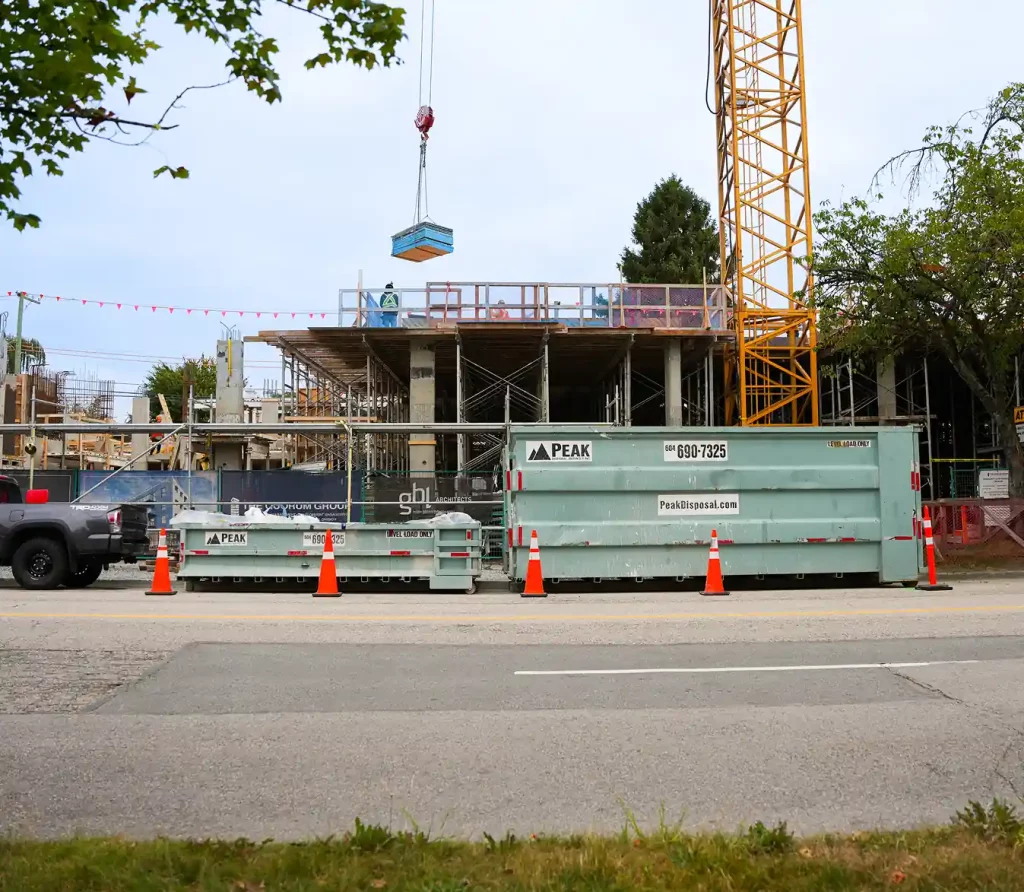
Why Reliable Construction Bin Service Matters on Active Job Sites?
For contractors operating in Vancouver, fast delivery and reliable pickup scheduling are often just as important as the bin itself. Delayed hauling can slow work areas, create safety concerns, and disrupt project timelines.
Construction bin rental is especially important on projects where:
- debris accumulates rapidly
- multiple trades operate simultaneously
- limited site space requires coordinated waste removal
- material separation is necessary for recycling or LEED-related goals

Construction Bin Sizes and Weight Limits Available in Vancouver
Different construction phases generate different waste volumes and material types. Choosing the correct construction bin helps reduce overloading risks, avoid unnecessary swaps, and improve site efficiency.
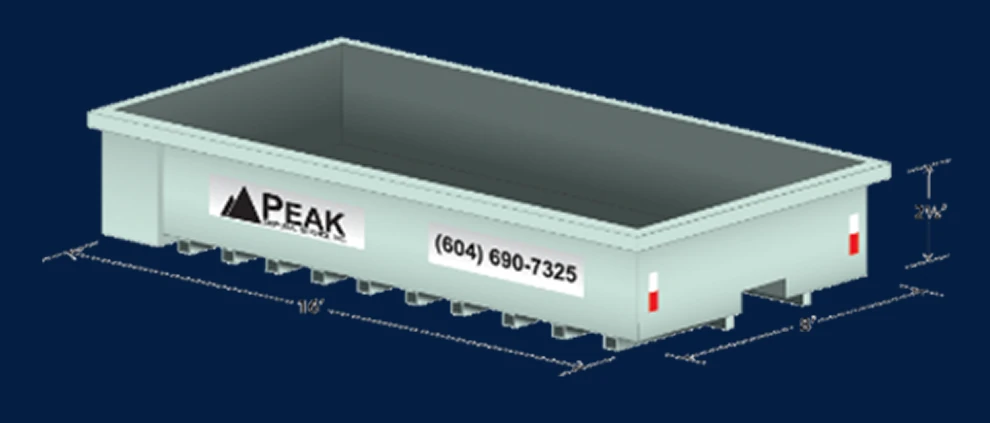
10-Yard
Concrete, Soil, Roofing Shingles
- Approx. Dimensions: 12’ x 8’ x 2’
- Weight Considerations: Helps Prevent Overweight Hauling Loads
Best for:
Small Demolition & Dense Materials
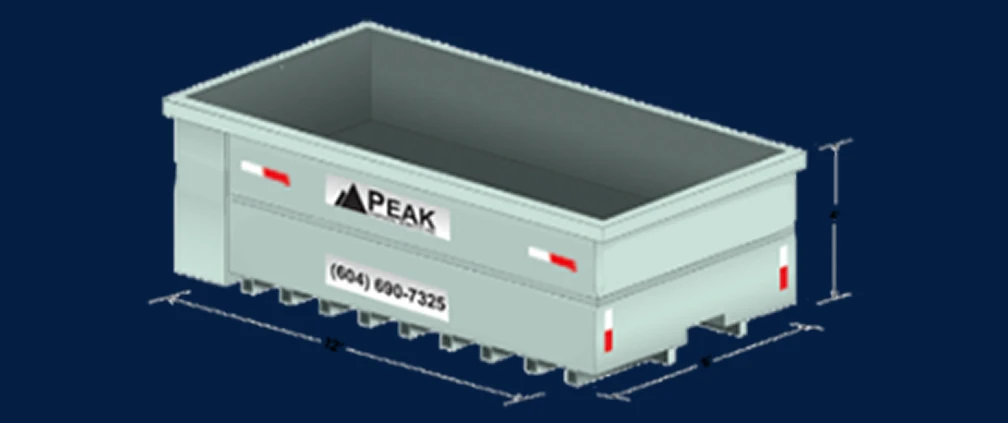
14-Yard
Renovations, Drywall, Flooring
- Approx. Dimensions: 14’ x 8’ x 3’
- Weight Considerations: Suitable for Moderate Mixed Loads
Best for:
Residential Renovation Projects
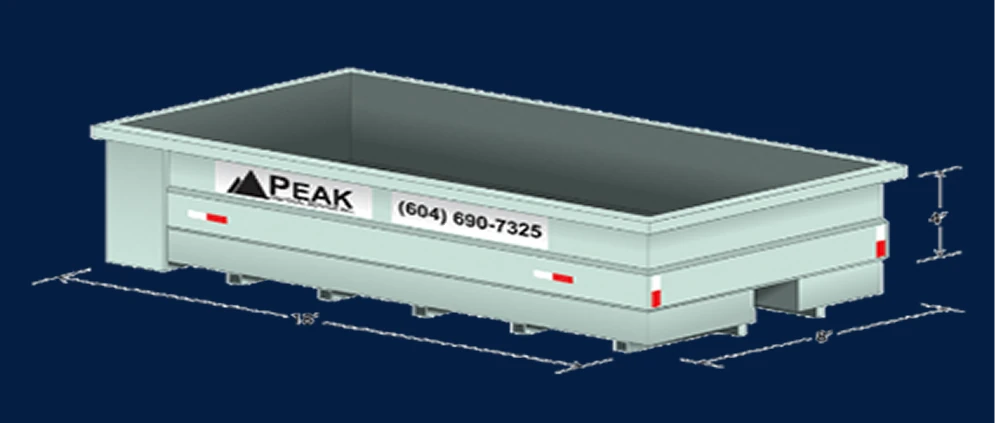
20-Yard
Framing, Mixed Construction Waste
- Approx. Dimensions: 16’ x 8’ x 4’
- Weight Considerations: Balances Volume & Hauling Efficiency
Best for:
Active Construction Sites
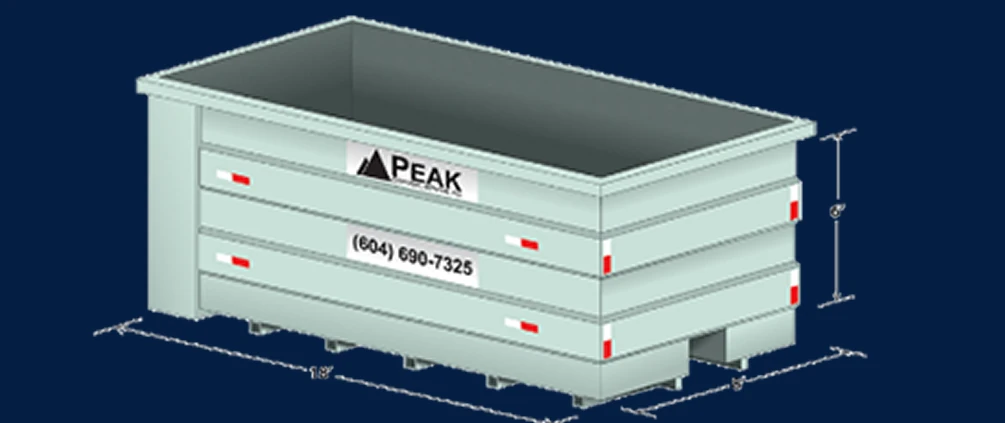
30-Yard
Demolition, Commercial Renovations
- Approx. Dimensions: 18’ x 8’ x 6’
- Weight Considerations: Better Suited for Lighter High-Volume Debris
Best for:
Larger Renovation Projects
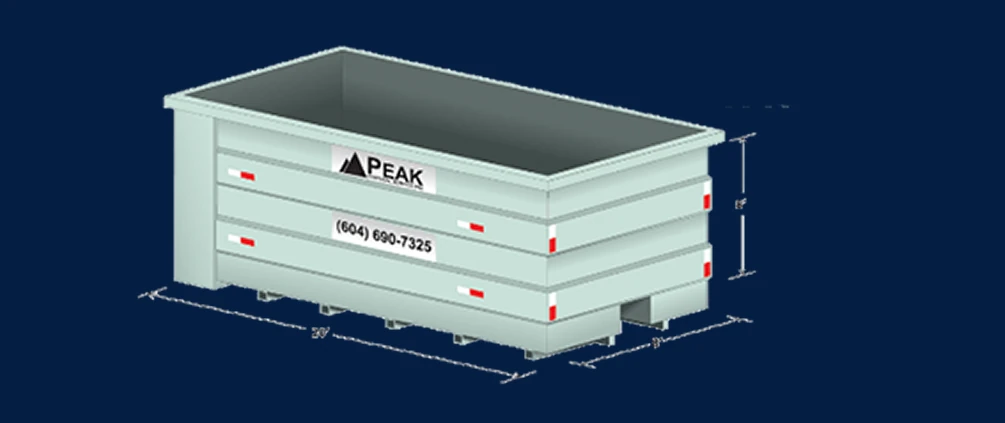
40-Yard
Large-Scale Commercial Waste
- Approx. Dimensions: 20’ x 8’ x 8’
- Weight Considerations: Intended for Lighter Materials with High Volume
Best for:
Multi-Phase Construction
Important: Heavy materials such as concrete, asphalt, and soil are typically restricted to smaller bins due to transportation weight limits.
Get the Right Construction Bin Before Your Project Slows Down
Not all construction debris behaves the same way. Heavy materials, demolition waste, and mixed construction loads can affect bin capacity, hauling schedules, and swap frequency much faster than expected. Choosing the right construction bin early helps avoid overloaded bins, unnecessary hauling delays, and workflow interruptions during active project phases.
Dispatch can help coordinate:
- appropriate bin size based on material type
- placement and site-access considerations
- expected hauling and swap frequency
- material restrictions and weight limitations
What Can You Put in a Construction Bin?
Construction bins are intended for non-hazardous construction and demolition debris.
Commonly Accepted Materials
- Wood and framing debris
- Drywall
- Flooring materials
- Roofing shingles
- Concrete and asphalt
- Metal
- General demolition waste
Restricted or Prohibited Materials
- Asbestos-containing materials
- Liquids
- Paints and solvents
- Food waste
- Batteries
- Hazardous chemicals
Important: Mixed or contaminated loads may require additional handling or separate disposal pathways depending on the material type.
How Much Does Construction Bin Rental Cost in Vancouver?
Construction bin pricing depends on several operational factors rather than bin size alone.
Key factors include:
Material weight
Type of debris
Rental duration
Hauling distance
Number of required swaps
Accessibility of the job site
Why Construction Bin Pricing Can Vary Between Projects?
Heavy materials such as concrete may reach transport weight limits long before a bin appears visually full. Similarly, projects in dense urban areas may require additional coordination for placement and pickup.
Because of this, accurate pricing usually depends on both project type and material stream.
How Construction Bin Delivery and Pickup Works in Vancouver?
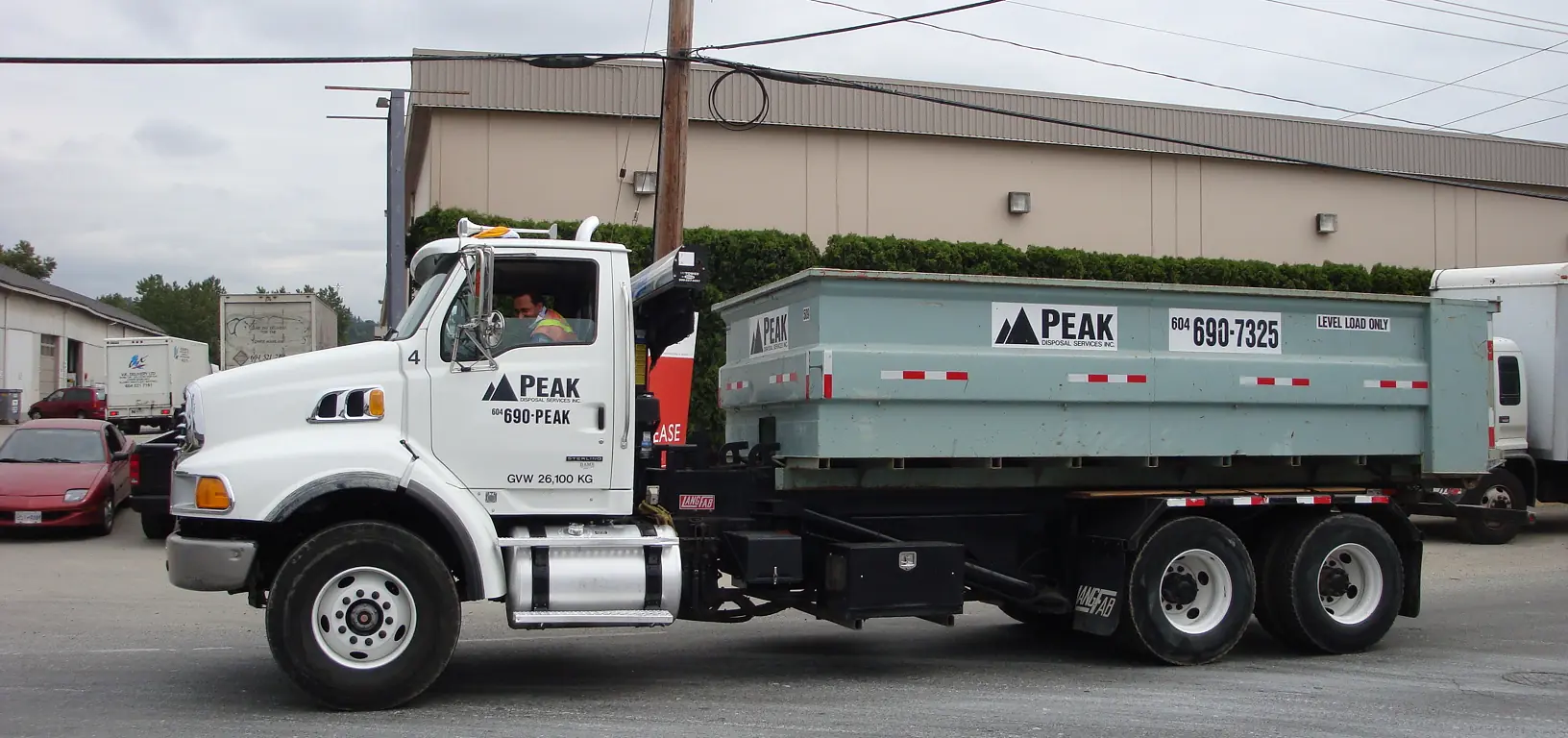
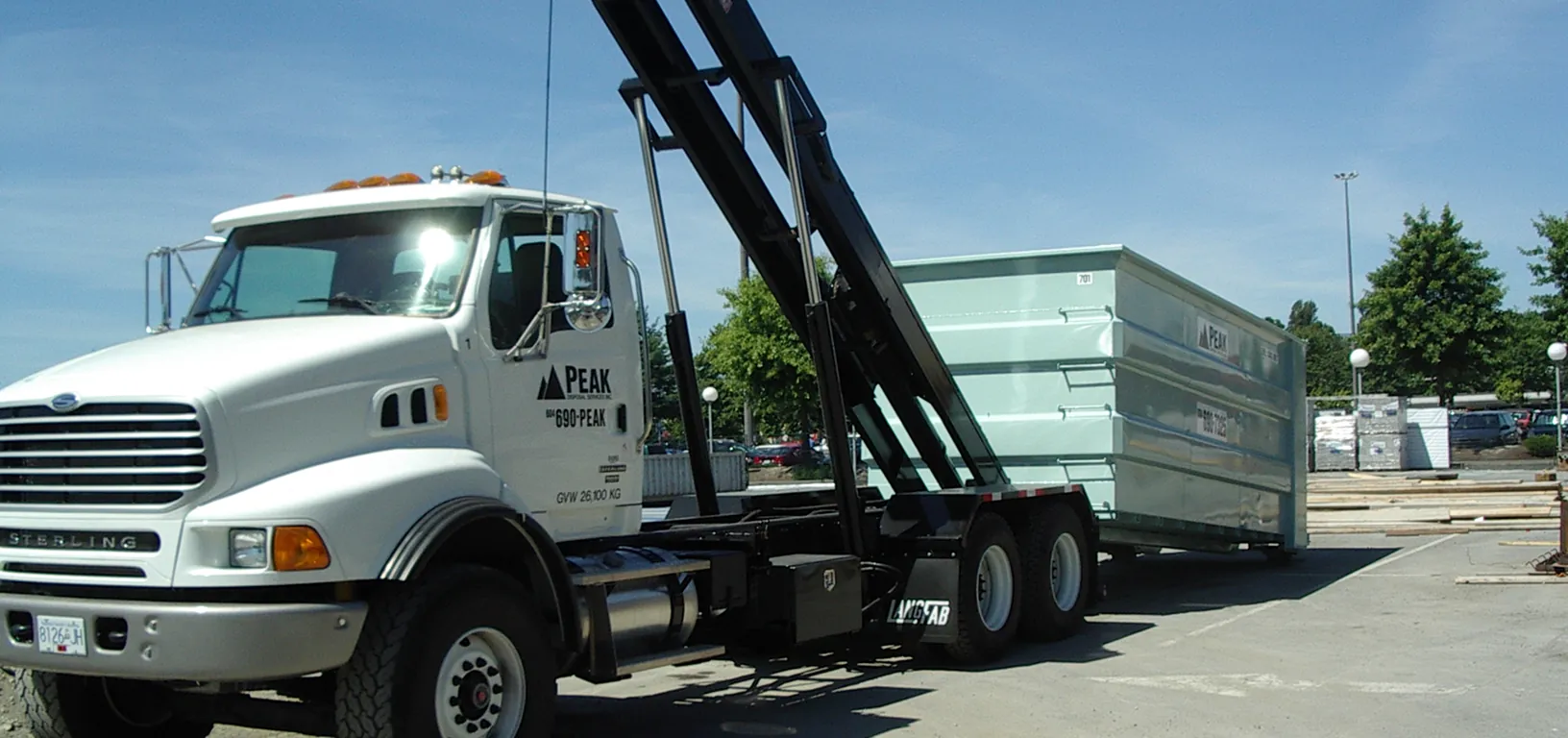
Construction projects often require flexible hauling schedules rather than fixed pickup timelines. Peak Disposal coordinates delivery and removal based on how the project is progressing on site, with 24/7 dispatch support available for active construction projects.
The process typically includes:
Project Assessment
Material type, estimated volume, access conditions, and placement requirements are reviewed before delivery.
Bin Delivery
Bins are delivered to the driveway, lane access, or designated construction area based on site conditions.
Ongoing Usage
Bins remain on site throughout active work phases, with swap scheduling available when capacity is reached.
Pickup and Disposal
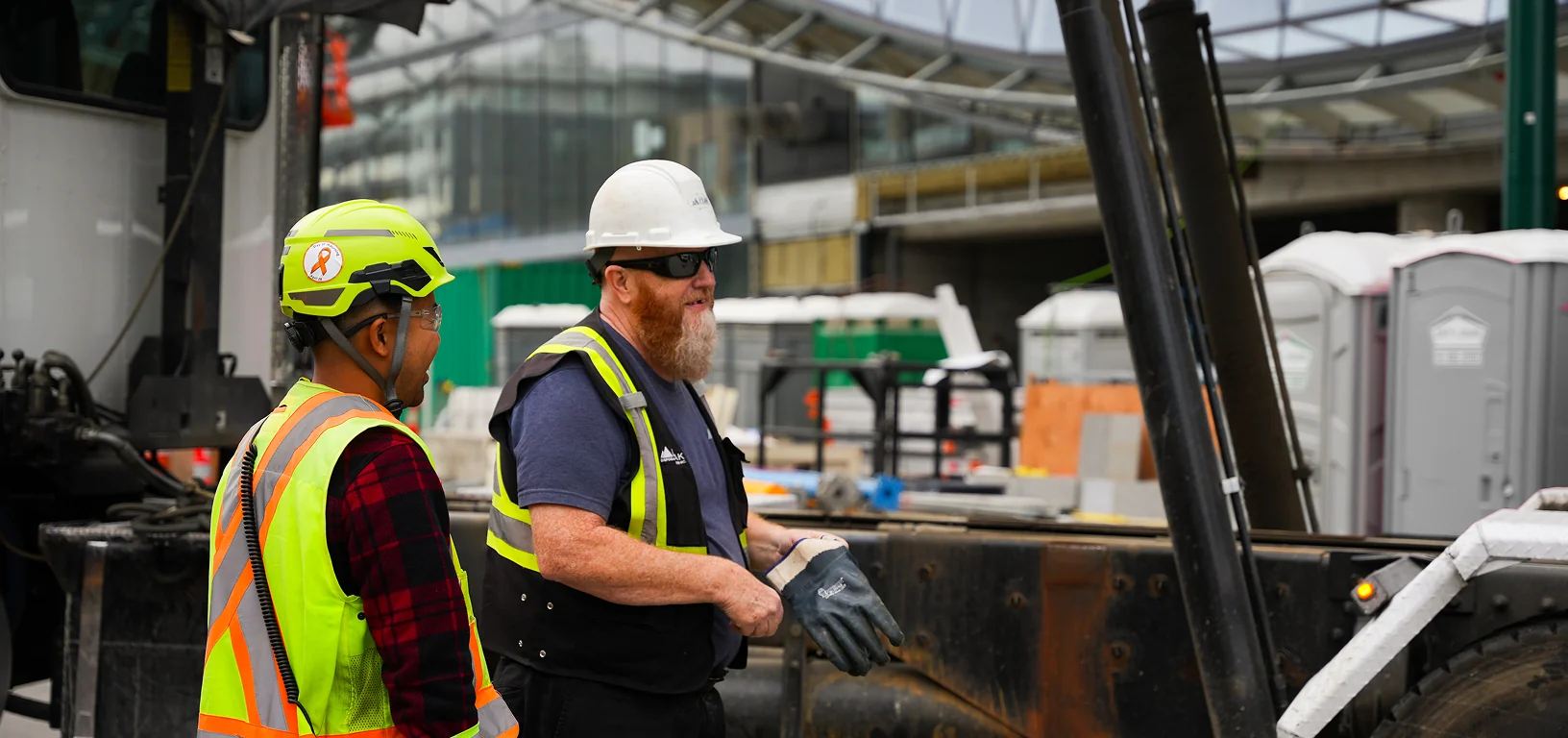
Once full, the bin is hauled to licensed disposal or transfer facilities for processing and recycling.
Same-day or next-day delivery may be available depending on location and dispatch scheduling.
Get an Exact Quote for Your Project
Pricing varies depending on debris type, access conditions, and hauling requirements.
No hidden fuel surcharges. Clear scheduling and practical recommendations based on your site conditions.
Local Rules and Construction Bin Placement in Vancouver
Construction waste handling in Vancouver is often affected by site-access conditions, municipal requirements, and the logistical challenges of operating in dense urban construction environments, including:
permit requirements
street access limitations
noise bylaws
dense residential conditions
lane access constraints
Projects placing bins on public streets or lanes may require permits depending on location. In narrower neighborhoods or commercial corridors, placement planning becomes especially important to maintain traffic and pedestrian access.
Construction activity is also subject to noise restrictions that affect:
- delivery timing
- pickup scheduling
- loading operations
For many Vancouver projects, waste removal logistics must be coordinated alongside broader site-access planning.
Need Help Planning Bin Placement in Vancouver?
Peak Disposal coordinates construction bin delivery across Vancouver, including projects with lane access constraints, permit requirements, and active construction scheduling.
Address:
Suite 205, 145
Schoolhouse Street
Coquitlam BC V3K 4X8
Phone:
Dispatch (604) 200-6818
Office (604) 265-9823
Working Hours:
Monday - Saturday: 7:00 AM - 5:00 PM
Sunday: Closed
Find Us on the Map
Serving Burnaby, Vancouver, and surrounding areas
Serving Construction Projects Across Vancouver
Peak Disposal supports:
residential renovations
demolition projects
roofing contractors
tenant improvements
commercial construction
multi-phase redevelopment sites
For projects with multiple waste streams, separate construction bins can also be coordinated to support cleaner material separation and more efficient hauling.
Why Contractors Choose Peak Disposal?
Construction waste removal affects more than cleanliness alone. Reliable hauling helps maintain:
safer work areas
uninterrupted workflow
predictable scheduling
cleaner material streams
Peak Disposal supports Vancouver projects through:
Same-day dispatch availability
Faster response for active construction schedules
Coordinated bin swaps
Timely replacements that reduce site delays
LEED-oriented waste handling support
Organized material separation for diversion-focused projects
Licensed disposal facilities
Responsible processing through approved facilities
Practical scheduling based on real project conditions
Flexible coordination aligned with active job-site demands
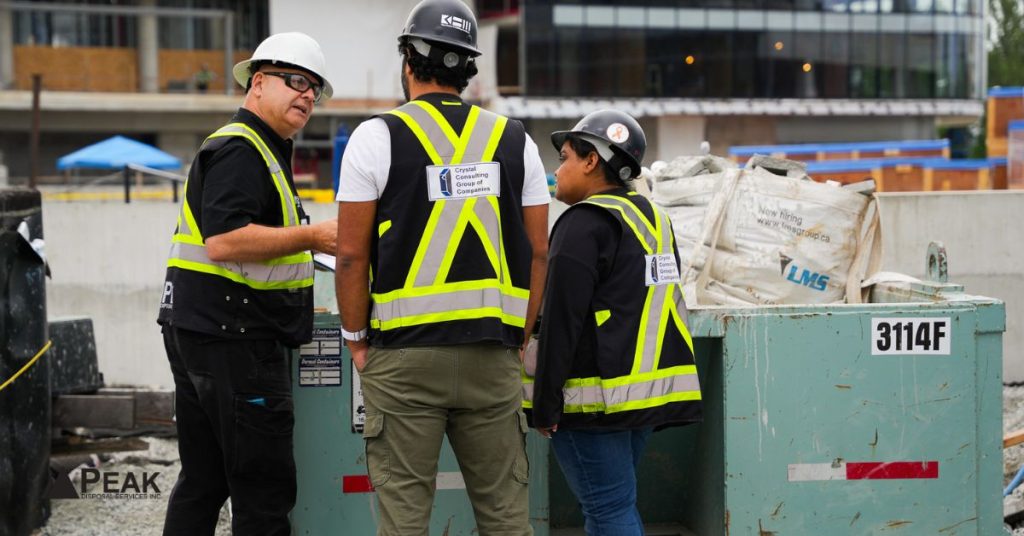
This operational approach helps construction waste management function as part of the workflow rather than a disruption to it.
FAQs
What size construction bin do I need?
This depends on the material type and expected waste volume. Heavy materials generally require smaller bins due to transport weight restrictions.
Do I need a permit for a construction bin in Vancouver?
A permit may be required if the bin is placed on public property such as a street or lane.
How long can I keep the bin?
Standard rental periods are typically up to 14 days, though longer rentals may be arranged depending on the project.
What happens if the bin is overloaded?
Overloaded bins may not be hauled until the load is reduced to meet transportation safety requirements.
Can construction materials be mixed together?
Some mixing is permitted, but separating materials often improves recycling efficiency and helps avoid contamination issues.
Book Your Construction Bin Rental in Vancouver Today
Get same-day delivery, coordinated bin swaps, and dependable hauling support for active construction projects across Vancouver.