


Renovation Waste Removal
Flexible Bin Service for Remodeling Projects
Renovation projects generate debris quickly during demolition and remodeling work. Peak Disposal provides renovation waste removal for homeowners, contractors, and renovation teams that need dependable bin service, flexible scheduling, and coordinated hauling support.
Get Renovation Waste Removal Support Today!
Renovation waste removal is designed for projects generating ongoing construction and remodeling debris rather than standard household garbage.
These bins are commonly used during:
kitchen renovations
basement finishing
bathroom remodels
flooring replacement
interior demolition
commercial tenant improvements
full-home remodeling projects
New Construction
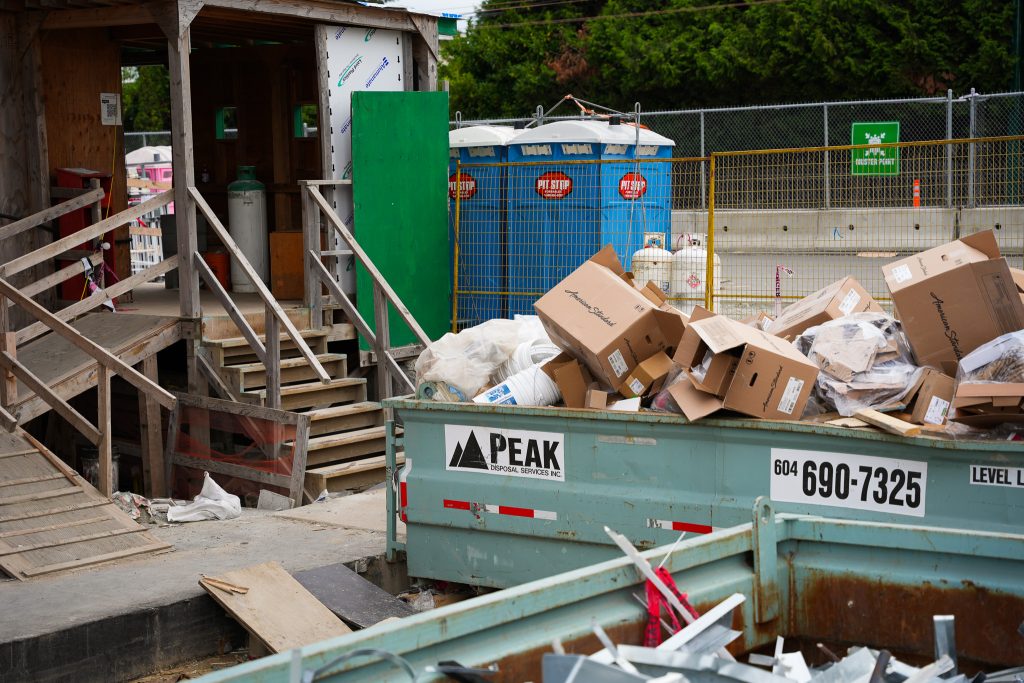
Renovation waste removal helps maintain cleaner work areas and more organized debris handling throughout demolition and rebuilding phases. Unlike standard junk removal services, renovation bins are intended for ongoing loading, heavier debris streams, and coordinated hauling schedules that align with active renovation work.
Why Coordinated Renovation Waste Removal Matters?
Renovation waste removal becomes especially important on projects where:
- debris is generated continuously over multiple days
- demolition phases create heavy material buildup
- limited space requires organized loading access
- multiple material types need to be removed efficiently
- contractors require recurring hauling support during active work phases
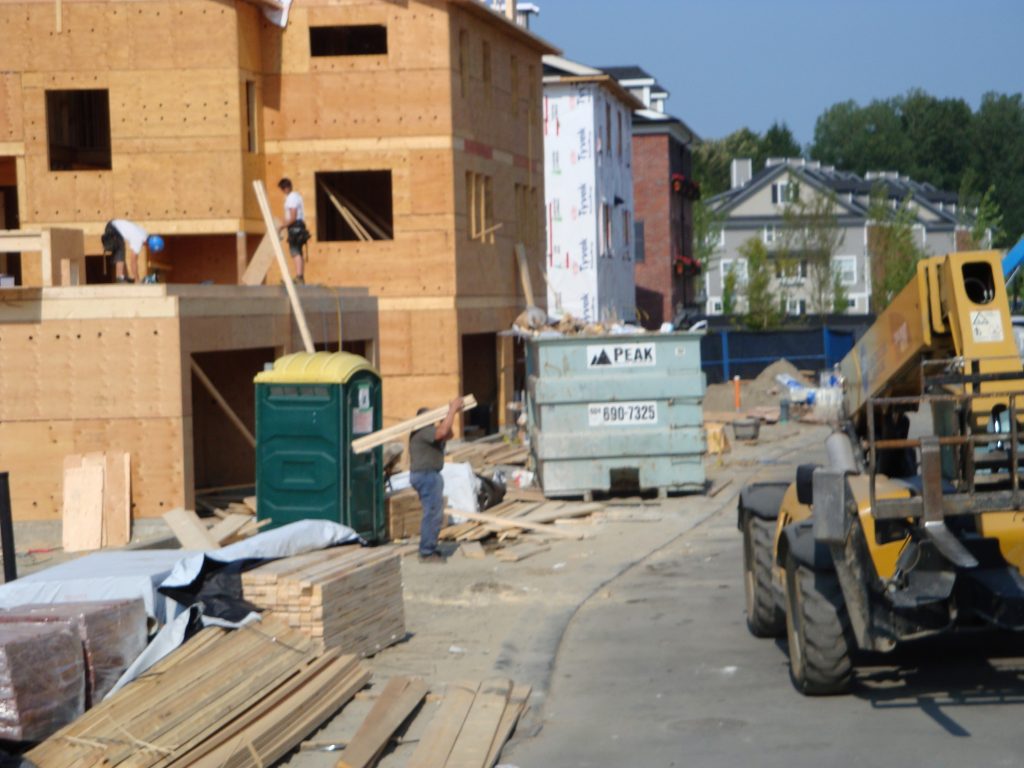
Renovation Bin Sizes and Weight Limits Available
Different renovation projects generate different types and amounts of debris. Choosing the correct renovation bin helps reduce unnecessary hauling delays, prevent overloaded containers, and maintain more efficient renovation workflows.
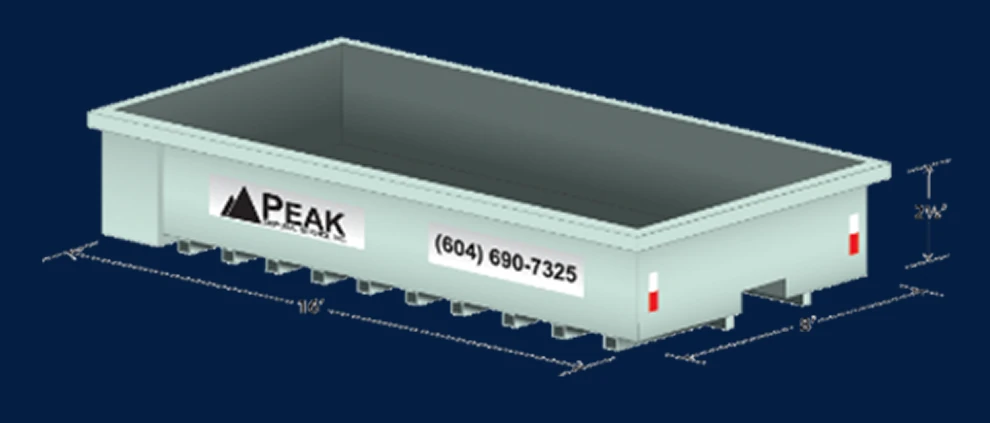
10-Yard
Tile, Concrete, Flooring Removal
- Approx. Dimensions: 12’ x 8’ x 2’
- Weight Considerations: Helps Manage Dense Heavy Debris
Best for:
Bathroom Renovations & Demolition
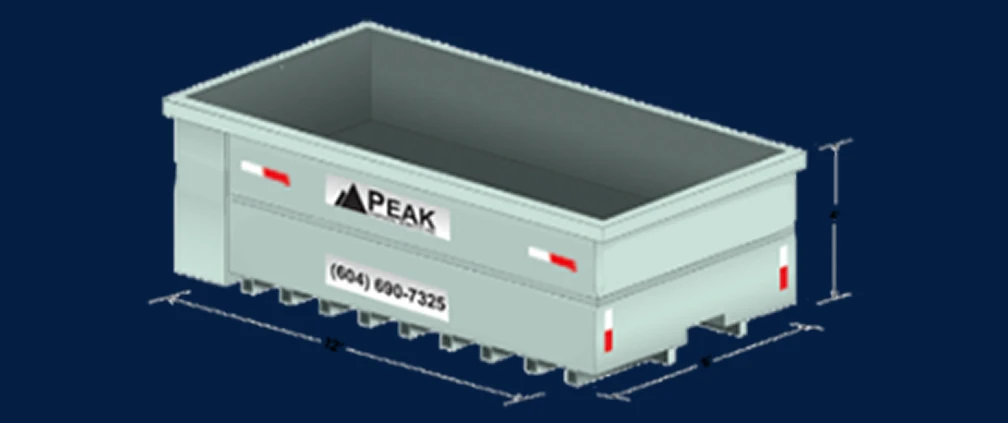
14-Yard
Drywall, Cabinetry, Flooring
- Approx. Dimensions: 14’ x 8’ x 3’
- Weight Considerations: Suitable for Moderate Mixed Debris
Best for:
Kitchen & Interior Renovations
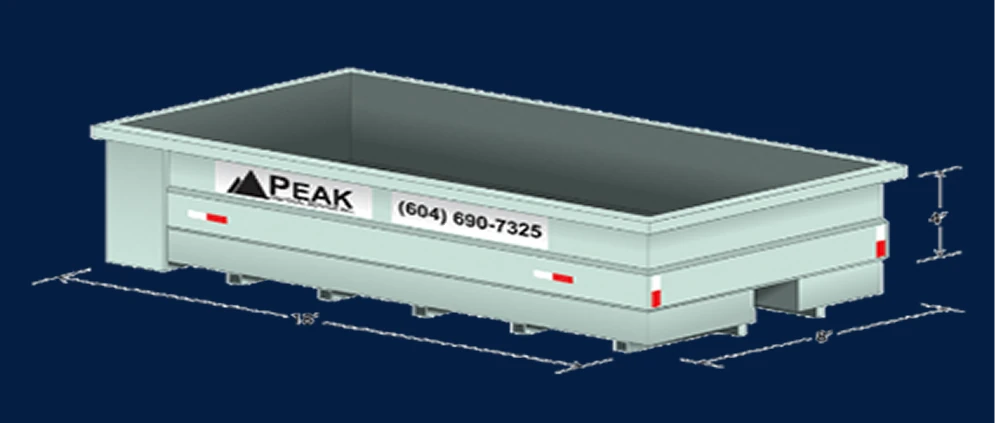
20-Yard
Multi-Room Renovation Debris
- Approx. Dimensions: 16’ x 8’ x 4’
- Weight Considerations: Balances Volume & Hauling Efficiency
Best for:
Full-Home Remodeling Projects
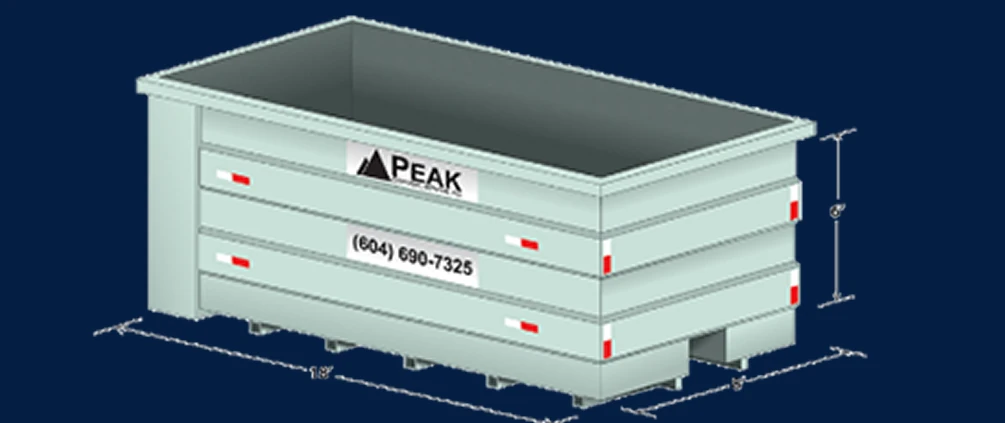
30-Yard
Large Demolition & Cleanouts
- Approx. Dimensions: 18’ x 8’ x 6’
- Weight Considerations: Better for Lighter High-Volume Debris
Best for:
Major Renovation Projects
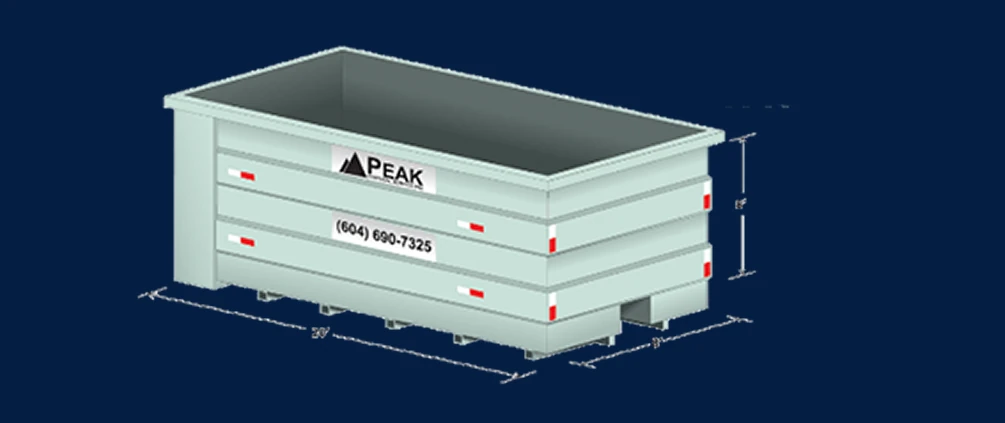
40-Yard
Bulky Renovation Debris
- Approx. Dimensions: 20’ x 8’ x 8’
- Weight Considerations: Intended for Lighter Oversized Materials
Best for:
Multi-Phase Renovation Work
Important: Heavy materials such as concrete, tile, brick, plaster, and soil are generally restricted to smaller bins to maintain safe transportation weight limits and improve hauling efficiency.
Get the Right Renovation Bin Before Debris Slows the Project Down
Renovation debris can build up quickly once demolition begins. Flooring removal, drywall tear-outs, cabinetry disposal, and mixed material loads often create cluttered work areas that affect efficiency and cleanup conditions.
Choosing the correct renovation bin early helps maintain safer work areas, improve debris organization, and reduce avoidable hauling interruptions during active remodeling phases.
Dispatch can help coordinate:
- appropriate bin size based on renovation scope
- placement and loading-access considerations
- hauling frequency and swap coordination
- material restrictions and loading guidance
- scheduling support during active renovation work
What Can You Put in a Renovation Bin?
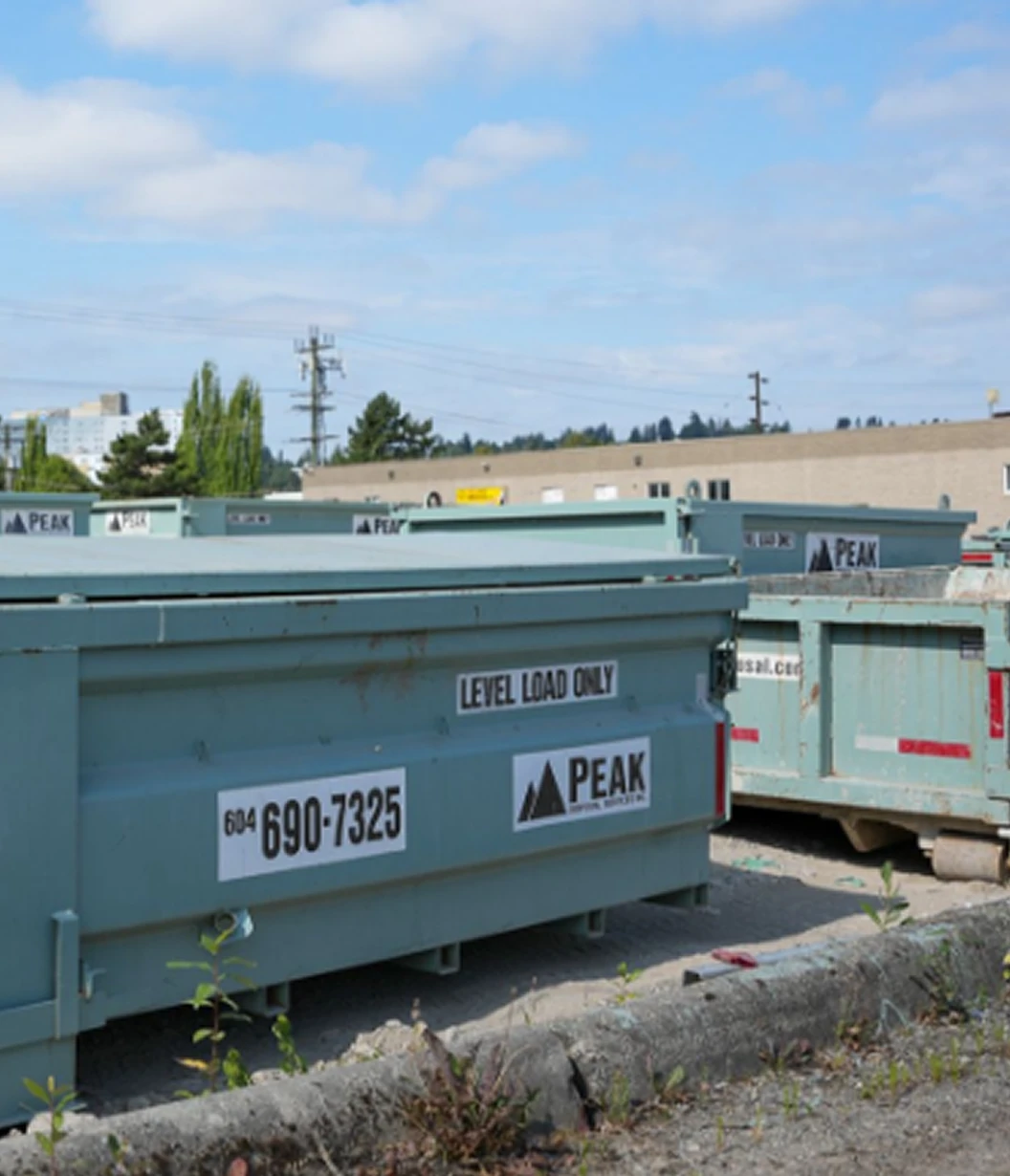
Renovation bins are intended for non-hazardous remodeling and demolition debris generated during residential and commercial renovation projects.
Commonly Accepted Materials
- Drywall-separate dedicated drywall bin is required
- Flooring materials
- Tile and cabinetry
- Wood and framing debris
- Interior demolition waste
- Fixtures and renovation debris
- General remodeling materials
Restricted or Prohibited Materials
- Asbestos-containing materials
- Hazardous chemicals
- Liquids
- Paints and solvents
- Batteries
- Food waste
Important: Certain materials may require separate disposal procedures depending on contamination risks and local disposal requirements.
How Much Does Renovation Waste Removal Cost?
Renovation waste removal pricing depends on several operational factors beyond the size of the bin itself.
Key pricing considerations include:
debris weight
type of material
Rental duration
Hauling distance
required pickups or swaps
Accessibility of the job site
Why Renovation Waste Removal Pricing Can Vary?
Dense renovation materials such as tile, plaster, concrete, and flooring debris can increase hauling weight rapidly even when the bin is not visually full. Restricted access conditions or limited loading areas may also affect delivery coordination and hauling schedules.
Because of this, renovation waste removal pricing is generally based on both project scope and debris type.
How Renovation Waste Removal and Bin Pickup Work?
Renovation projects rarely generate debris at a perfectly steady pace. Demolition stages, flooring removal, and rebuilding phases often create different hauling needs throughout the project timeline.
Peak Disposal coordinates renovation waste removal based on active project conditions, with dispatch support available for ongoing hauling adjustments and flexible scheduling throughout active remodeling work.
The process typically includes:
Project Assessment
Material types, debris volume, and access conditions are reviewed.
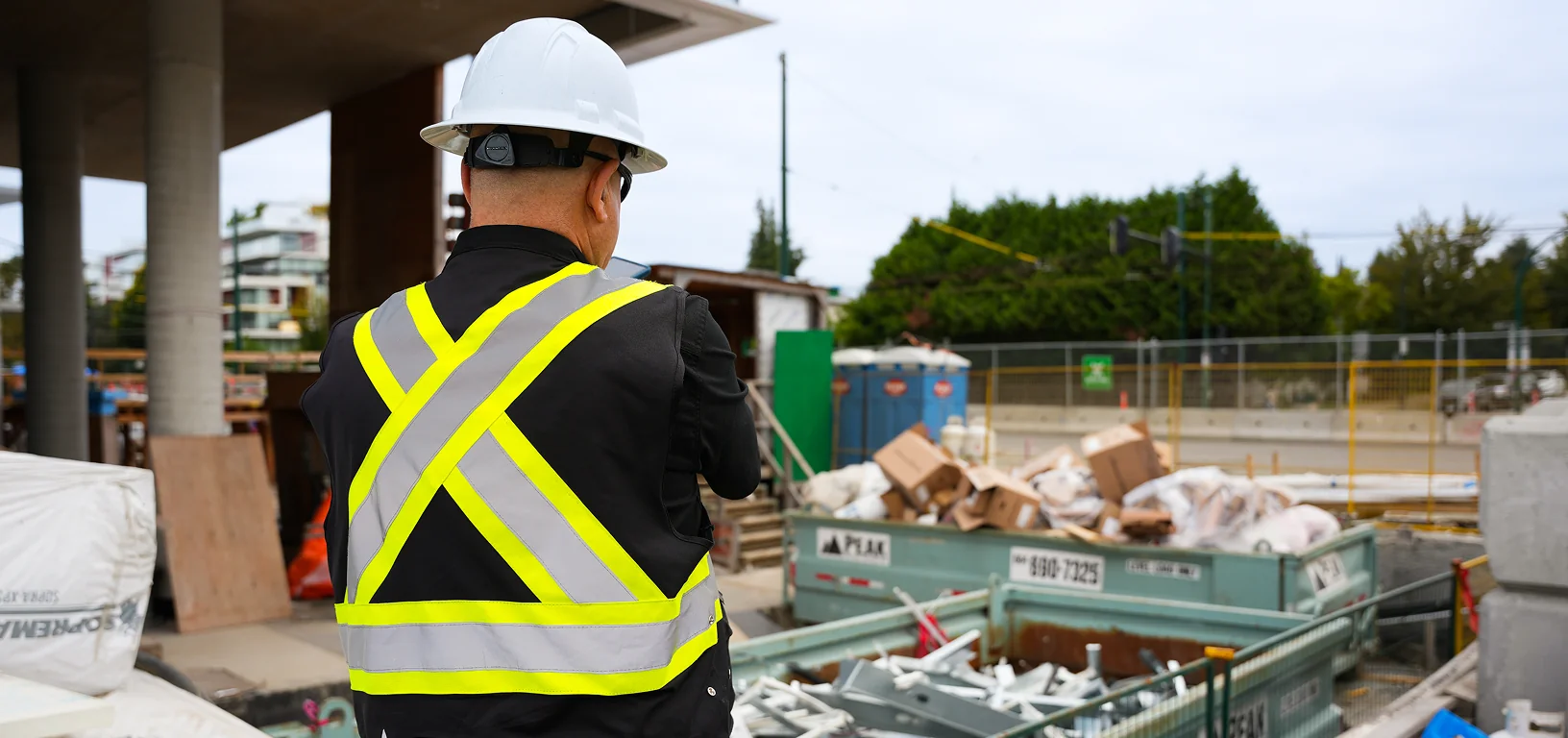
Bin Delivery
Renovation bins are positioned based on driveway access, loading efficiency, and project layout.
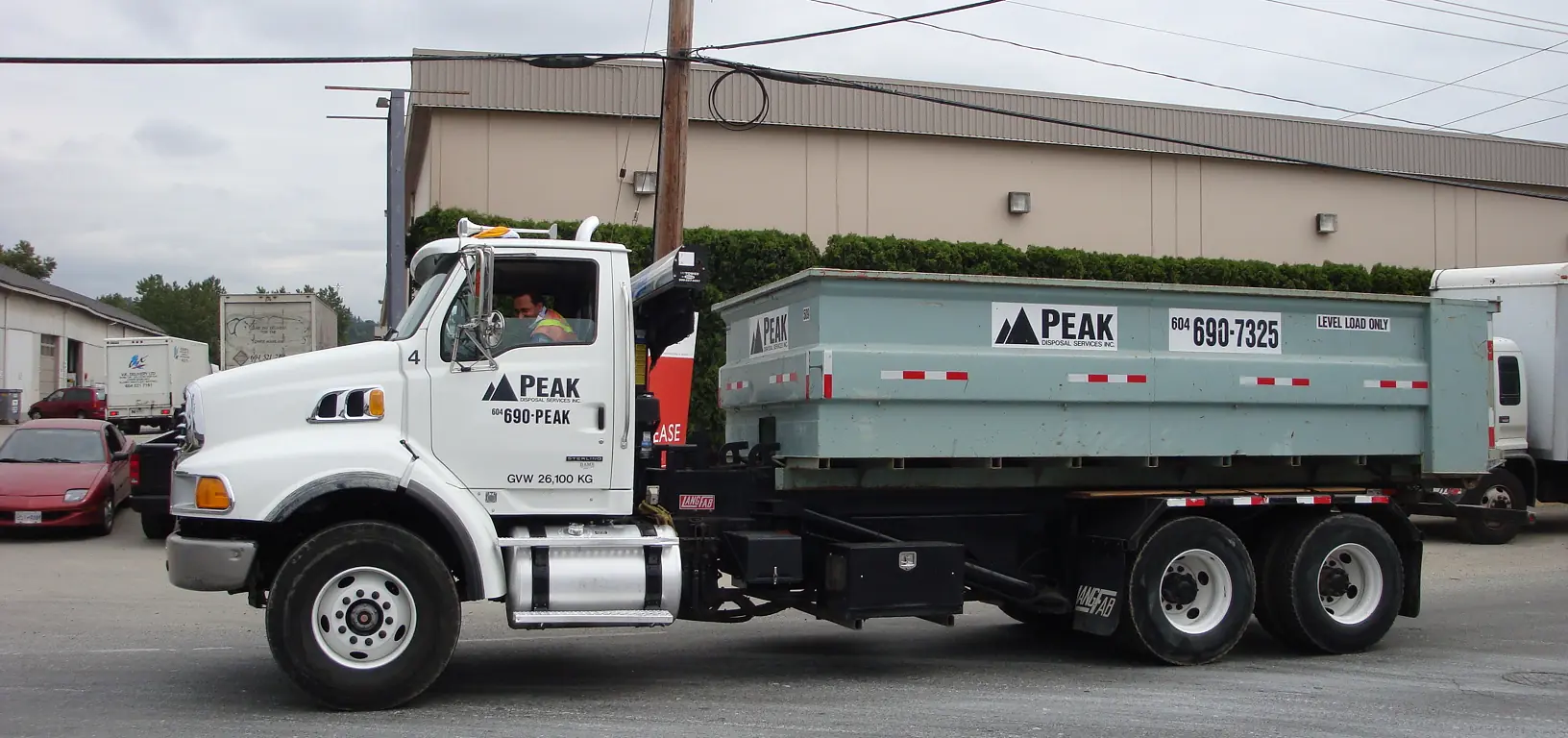
Ongoing Usage
Swap coordination is available through dispatch once the bin is full.
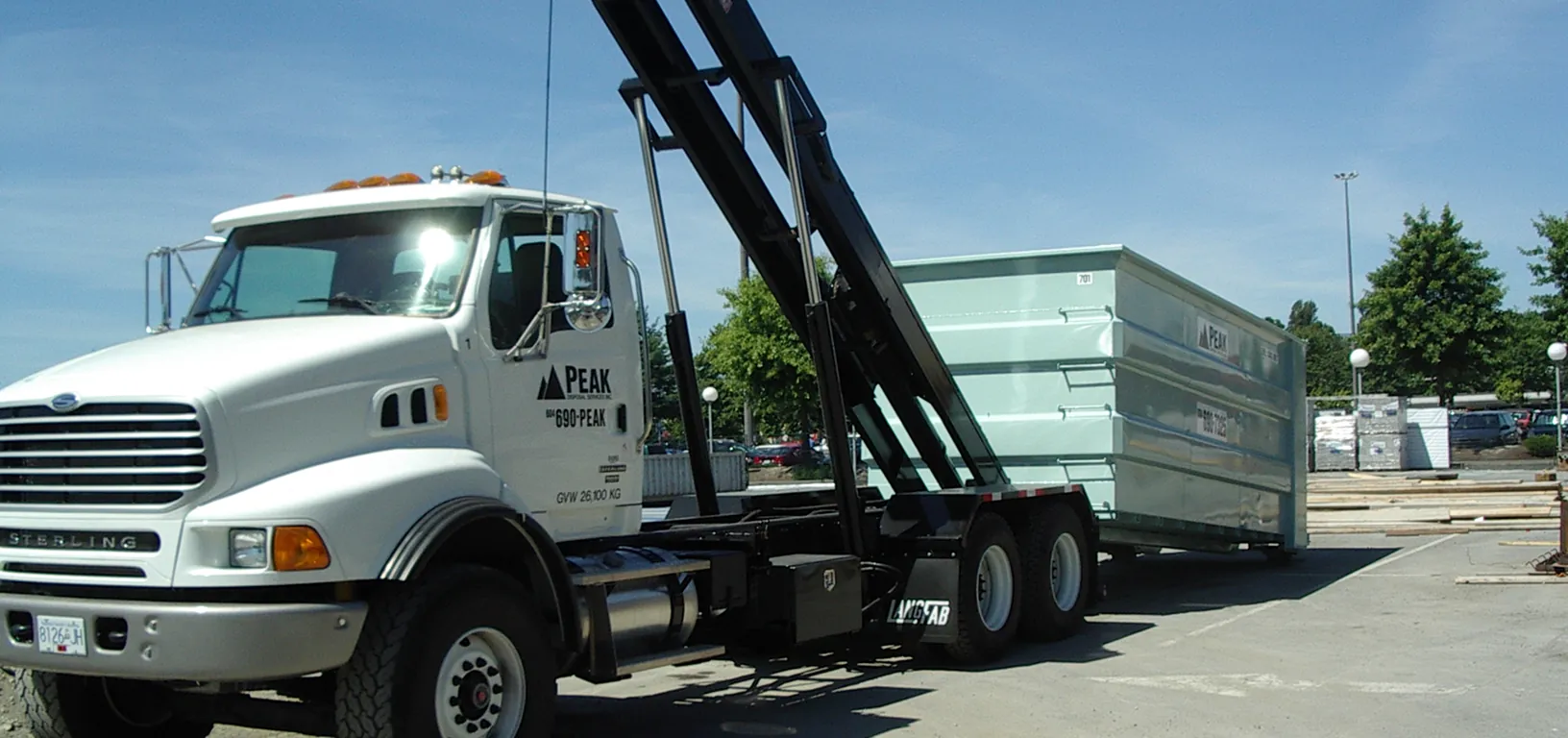
Pickup and Disposal
Renovation debris is hauled to licensed recycling facilities for sorting and processing.

Flexible scheduling and recurring hauling coordination help renovation projects maintain cleaner work areas and more organized debris management throughout active construction phases.
Request a Renovation Waste Removal Quote
Renovation projects vary significantly depending on material type, demolition scope, debris volume, and hauling requirements.
Organized scheduling and practical hauling coordination help renovation projects remain cleaner, safer, and more efficient throughout active remodeling work.
Renovation Waste Handling and Placement Considerations
Renovation waste removal often requires additional coordination because remodeling projects are commonly performed on occupied residential or commercial properties with limited access conditions.
Placement and hauling considerations may include:
narrow driveways
loading-area restrictions
multi-unit properties
recurring debris accumulation
lane-access limitations
active worksite coordination
Projects involving demolition or heavier debris removal may also need to coordinate hauling schedules around:
- contractor access
- material staging
- active construction activity
- local noise restrictions
Proper renovation waste coordination helps reduce work interruptions while maintaining safer and more organized project conditions throughout active remodeling phases.
Need Help Coordinating Renovation Waste Removal?
Peak Disposal supports renovation waste removal projects with organized hauling coordination, flexible scheduling, and practical bin placement support for active remodeling and demolition work.
Driveway-friendly placement options help reduce the risk of property damage while maintaining efficient loading access throughout the project.
Address:
Suite 205, 145
Schoolhouse Street
Coquitlam BC V3K 4X8
Phone:
Dispatch (604) 200-6818
Office (604) 265-9823
Working Hours:
Monday - Saturday: 7:00 AM - 5:00 PM
Sunday: Closed
Find Us on the Map
Serving Burnaby, Vancouver, and surrounding areas
Common Projects That Use Renovation Waste Removal
Peak Disposal provides renovation waste removal support for:
kitchen remodeling projects
commercial tenant improvements
flooring replacement
bathroom renovations
interior demolition
basement finishing
For projects involving multiple debris types, separate renovation bins and coordinated hauling schedules can also help improve debris organization and loading efficiency.
Why Contractors and Homeowners Choose Peak Disposal?
Renovation debris removal affects more than cleanup alone. Organized hauling support helps maintain:
cleaner work areas
safer renovation environments
more predictable project timelines
reduced debris buildup
Peak Disposal supports renovation projects through:
Flexible scheduling support
Scheduling that adapts to active renovation phases
Coordinated bin swaps
Faster replacement when bins reach capacity
Practical hauling coordination
Organized pickups that reduce workflow interruptions
Licensed recycling facilities
Responsible processing through licensed recycling facilities
Responsive dispatch communication
Faster scheduling updates and hauling support
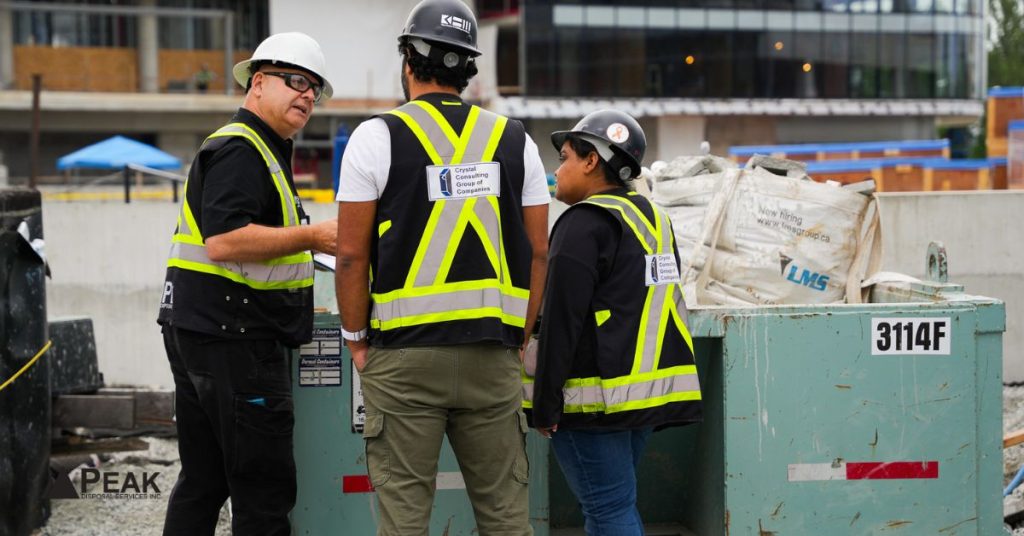
This operational approach helps renovation waste removal function as part of the project workflow rather than as a source of avoidable delays or disruptions.
FAQs
What size renovation bin do I need?
This depends on the type of renovation work, debris volume, and material weight. Dense materials such as tile or concrete generally require smaller bins to maintain safe hauling weight limits.
Can renovation debris be mixed together?
Some mixed debris is permitted, though separating heavier or recyclable materials often improves hauling efficiency and debris management.
How long can I keep the renovation bin?
Standard rental periods are typically up to 14 days, though longer arrangements may be available depending on project requirements.
Can renovation bins be placed on driveways?
Yes. Placement depends on access conditions, driveway layout, and loading requirements.
What happens if the bin becomes overloaded?
Overloaded bins may need to be reduced before hauling to comply with transportation safety requirements.
Request Renovation Waste Removal Support Today
Get dependable renovation waste removal, coordinated hauling support, and flexible scheduling for remodeling and demolition projects.