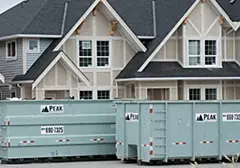
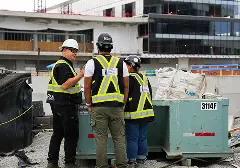
Concrete, soil, and asphalt are among the heaviest materials generated on construction and demolition sites. While they are common, they are not handled the same way as general construction debris. Their weight, contamination risk, and disposal requirements mean they must be managed with a clear plan from the outset.
Across British Columbia, and especially in Metro Vancouver, disposal facilities enforce strict rules around heavy materials. These rules affect bin size, loading practices, and material separation. Without proper handling, loads may be rejected or incur additional costs, which can disrupt project timelines.
Understanding how to manage these materials correctly helps contractors avoid delays, maintain compliance, and keep waste removal running efficiently.
Here is the Quick Answer:
Concrete, dirt, and asphalt must be handled separately from general waste due to weight and contamination risks. These materials are typically restricted to smaller bins, must be loaded evenly and below capacity, and may require testing in certain cases. Proper planning and separation at the job site help avoid rejected loads, overweight charges, and project delays.
Why Heavy Materials Require Special Handling
Concrete, soil, and asphalt differ from most construction waste because of their density. A relatively small volume of these materials can exceed the weight limits of standard roll-off bins, making transportation unsafe and non-compliant.
For this reason, disposal facilities and hauling providers enforce strict limits on how these materials are handled. Overloaded bins can create safety risks during transport, place excessive strain on equipment, and increase the likelihood of incidents during loading and unloading.
In addition to weight, soil and asphalt may carry contamination risks depending on their origin. Excavated soil, for example, may require verification that it is not contaminated, while certain asphalt materials can affect how loads are processed at disposal facilities.
Because of these combined factors, heavy materials are treated as a distinct waste stream and require a more controlled approach than general construction debris.

Bin Size Restrictions for Concrete, Dirt & Asphalt
Heavy materials are typically limited to smaller bin sizes to control total weight. Even though larger bins are available, they are not suitable for dense materials.
In practice, contractors should expect:
- Concrete and dirt to be placed in dedicated 8-yard or 10-yard bins
- Asphalt to follow similar weight-based restrictions depending on volume
- Larger bins (20-yard and above) to be unsuitable for heavy loads
This is not a capacity issue. It is a weight issue. A bin that appears only partially full can still exceed allowable hauling limits.
Choosing the correct bin size at the start of a project is one of the most effective ways to avoid complications later.
Weight Limits and Loading Requirements
Weight limits are strictly enforced for heavy materials. In many cases, loads must remain well below the maximum capacity allowed for mixed construction waste.
Proper loading practices are essential:
- Loads must remain level with the top of the bin
- Material must be distributed evenly to prevent imbalance
- Overloading or uneven loading can result in the bin not being hauled
Unlike lighter materials, heavy debris does not compress or settle significantly. This means that even small overages can create issues during pickup or transport.
From an operational standpoint, careful loading reduces the risk of rejected pickups and ensures that hauling can proceed without delays.

Material Separation Requirements
Concrete, dirt, and asphalt must be kept separate from other construction materials. Mixing them with wood, drywall, or general debris creates problems at disposal facilities and often leads to rejection.
Separation is important for two reasons:
First, recycling processes depend on clean material streams. Concrete and asphalt can be crushed and reused, but only if they are not contaminated with other waste.
Second, mixed loads are more difficult and costly to process. Concrete and Dirt Disposal facilities do not sort materials on behalf of contractors, which means improperly sorted contaminated loads are typically turned away.
For job sites generating multiple waste types, using separate bins for heavy materials is the most reliable approach.
Contamination and Testing Considerations
Not all heavy materials can be disposed of in the same way. Soil, in particular, may require testing to confirm that it is not contaminated, especially when it originates from previously developed or industrial sites where past land use is uncertain.
If contamination is suspected, the material cannot be handled as standard construction waste. Instead, it must follow regulated disposal pathways through approved facilities, which may involve additional documentation, testing, and transport requirements.
Concrete and asphalt generally do not require testing unless there is a known contamination concern. However, they must still be kept free from mixed debris to be accepted for recycling or disposal.
In practice, testing and special handling are typically required when:
- Soil comes from industrial, commercial, or previously unknown land use
- There is visible contamination (odour, staining, unusual material)
- Project documentation requires environmental verification before disposal
Maintaining clean, separated loads remains the most reliable way to ensure acceptance and avoid delays.
What Happens If Heavy Materials Are Not Handled Properly
Improper handling of concrete, dirt, or asphalt typically becomes an issue at the final stages of a project rather than during demolition or excavation. Problems often surface when the bin is ready for pickup or arrives at the disposal facility.
If a bin is overloaded or unevenly filled, it may not be hauled at all. In other cases, loads may be rejected at the facility due to mixing, contamination, or weight concerns. When this happens, the material must be re-sorted or reduced before it can be accepted, which adds time and cost to the project.
Even when loads are accepted, additional charges may apply for overweight conditions or extra handling. Over time, these inefficiencies can impact scheduling, increase hauling costs, and create avoidable disruptions on site.
Approaching heavy material disposal with a clear plan from the outset is the most effective way to prevent these issues.
Best Practices for Contractors
Managing heavy materials effectively starts with planning and coordination. Contractors who treat concrete, dirt, and asphalt as a separate waste stream are far less likely to encounter problems.
To maintain efficiency and compliance:
- Use dedicated small bins for heavy materials
- Keep loads level and evenly distributed
- Separate heavy debris from all other waste streams
- Confirm whether soil requires testing before disposal
- Schedule pickups based on material type and expected volume
These practices help ensure that hauling proceeds without interruption and that materials are accepted at disposal facilities on the first attempt.
How Peak Disposal Supports Heavy Material Disposal
Heavy material disposal requires a more structured approach than standard waste removal. Peak Disposal works with contractors to ensure that concrete, dirt, and asphalt are handled correctly from the beginning of a project.
We provide guidance on bin sizing, loading practices, and material separation based on the specific conditions of each job site. Our team coordinates with approved facilities and helps contractors avoid common issues such as overweight loads or rejected materials.
For projects with multiple waste streams, heavy materials can be integrated into a broader waste management plan, allowing contractors to maintain efficiency while meeting disposal requirements.
Related Restrictions to Be Aware of
Concrete, dirt, and asphalt are part of a broader set of materials that require careful handling. In addition to heavy material rules, certain items are not accepted in roll-off bins.
These include:
- Hazardous waste, including asbestos-containing materials
- Contaminated soil that has not been approved for disposal
- Liquids of any kind
- Food waste
Understanding these restrictions helps prevent issues during pickup and ensures compliance with disposal facility requirements.

Need Help with Concrete, Dirt or Asphalt Disposal in BC?
Heavy materials can quickly become one of the most challenging parts of a construction or demolition project if not handled properly. With the right plan in place, however, they can be managed efficiently and without disruption.
Peak Disposal supports contractors across Metro Vancouver with reliable bin delivery, practical guidance, and a clear understanding of local disposal requirements. If you need help determining the right approach for your project, our team can assist before work begins.