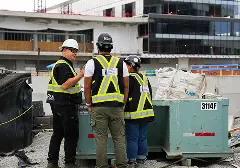
Planning a renovation or cleanup project in Vancouver often involves renting a dumpster, but understanding dumpster rental permit requirements in Vancouver is just as important as choosing the right bin size and scheduling delivery. Local bylaws determine where a bin can be placed, whether a permit is required, and how long it can remain on site.
For homeowners, these rules typically come into play when driveway space is limited or when the project requires placing a bin on the street or in a lane. Understanding how permits work before booking a bin helps avoid fines, delivery delays, or last-minute changes to your setup.
Here is the Quick Answer:
Dumpster permits in Vancouver are required when placing a bin on public property such as a street or lane. Permits must be arranged before delivery, and placement must not block traffic, pedestrian access, or emergency routes. Bins placed on private property do not require permits but must still be positioned safely.
When a Dumpster Permit Is Required in Vancouver
A dumpster rental permit in Vancouver is typically required when a dumpster is placed anywhere within the public right-of-way, including streets, back lanes, and certain curbside areas.
For many homeowners, this situation arises due to site limitations rather than preference. Properties with narrow driveways, limited frontage, or restricted access often cannot accommodate a bin on private land. In these cases, street placement becomes the only practical option, which immediately introduces permitting requirements.
Permits must be obtained before delivery is scheduled. If a bin arrives without an approved permit for public placement, it may not be dropped at all or may need to be removed shortly after delivery. Either outcome can disrupt your project timeline and require rescheduling.
Even with a permit, placement is conditional. Bins must be positioned in a way that does not interfere with traffic flow, pedestrian movement, or emergency access. Treating permits as part of early project planning helps prevent these issues.

Where You Can Place a Dumpster
Placement options in Vancouver depend heavily on property layout and neighborhood density. In many residential areas, especially older or more compact neighborhoods, available space is often the deciding factor.
When a property allows for it, placing the dumpster on private land is the simplest option. Driveways or designated site areas provide easier access and remove the need for permits. However, not all properties can accommodate a bin due to slope, limited space, or access constraints.
When private placement is not possible, dumpsters are typically positioned on public property such as residential streets or back lanes. This requires a permit and careful positioning to ensure the bin does not block traffic, restrict visibility, or interfere with nearby access points.
Because Vancouver includes a mix of dense urban zones and varied residential layouts, placement decisions often need to be evaluated on a case-by-case basis.
Learn More: Specific Vancouver bin permits and noise rules
How the Permit Process Works
Applying for a dumpster permit in Vancouver is generally straightforward, but timing is critical. Approval must be secured before delivery, which means the process should begin once the placement location is confirmed.
In most cases, this involves submitting an application to the City with details about the placement location and duration. Once approved, the permit may include specific conditions, such as placement boundaries or visibility requirements.
Delays typically occur when permit applications are submitted too late or when placement details are unclear. For homeowners working on tight schedules, even a short delay at this stage can affect the overall timeline. Planning ahead helps keep the project moving without interruption.

How long can a dumpster stay on the street?
The length of time a dumpster can remain on public property depends on the permit issued by the City. For smaller residential projects, this often aligns with standard rental periods, while larger projects may require longer durations or extensions.
It is important to ensure that the permit remains valid for the entire time the bin is in place. If a project runs longer than expected, extensions should be arranged before the permit expires. Once the permit lapses, the bin is no longer authorized to occupy public space.
Coordinating permit duration with your rental schedule helps avoid penalties and ensures the bin can remain in place without disruption.
Common Mistakes That Cause Delays
Most permit-related issues come from timing or incorrect assumptions rather than complex rules.
Common mistakes include:
- Scheduling delivery before permit approval is confirmed
- Assuming short-term placement does not require a permit
- Underestimating the space needed for safe placement
- Blocking driveways, lanes, or visibility unintentionally
- Failing to extend permits for longer projects
These problems usually appear at delivery or pickup, when adjustments are more difficult to make.
How Permit Rules Affect Your Project Timeline
Permit requirements can directly affect how smoothly your project progresses. If a dumpster cannot be placed when needed, debris removal may be delayed, which can slow down renovation or cleanup work.
For example, a project that depends on continuous material removal may stall if a bin cannot be delivered due to permit issues. Similarly, delays in pickup can lead to congestion on site, affecting both safety and efficiency.
Planning bin placement and permit approval together helps ensure that waste removal stays aligned with the rest of the project.
Learn More: North Vancouver dumpster rentals regulations
Best Practices for Homeowners
To avoid delays and compliance issues, homeowners should focus on a few key steps:
- Confirm whether the bin will be placed on private or public property
- Apply for permits in advance if street placement is required
- Ensure there is enough space for safe delivery and pickup
- Keep the bin within approved placement boundaries
- Schedule pickup before the permit expires
These steps help keep your project on track and reduce the risk of fines or disruptions.

How Peak Disposal Helps Simplify the Process
For many homeowners, permit requirements are not always clear at the start of a project. Questions around placement, timing, and responsibility can create uncertainty, especially when public placement is required.
Peak Disposal helps clarify these details early. This includes identifying whether a permit is needed, recommending placement options based on your property, and coordinating delivery timing with permit approval.
By addressing these factors in advance, the process becomes more predictable and avoids common issues such as rejected placements or scheduling delays.
Do you need a permit for your dumpster in Vancouver?
If your project requires placing a dumpster on the street or in a lane, a permit is likely required. Planning ahead ensures that delivery, use, and pickup happen without interruption.
Peak Disposal supports homeowners across Vancouver with reliable bin delivery and practical guidance on local requirements. If you are unsure whether your project needs a permit, it is best to confirm before scheduling your bin.