
Bin rental schedules do not always follow a fixed project timeline. A residential cleanup may finish sooner than expected, while a renovation or construction project may require additional time, recurring pickups, or multiple bin exchanges as work progresses. Peak Disposal coordinates bin delivery, rental periods, pickups, swap-outs, and ongoing service for residential, commercial, and construction projects across Metro Vancouver.
Standard bin rental periods are typically up to 14 days, unless another arrangement is agreed upon.
Early pickup can be requested if your project finishes sooner.
Longer rental arrangements may be available when coordinated with dispatch.
Same-day or next-day delivery and pickup may be available depending on scheduling and service conditions.
Full bins can be exchanged for empty ones during ongoing projects.
Dump-and-return and recurring service can be coordinated for qualifying projects.
Bins must be safely loaded, accessible, and ready for transport before pickup.
Bin doors must be fully closed and securely latched before collection.
Understand the standard rental period, how extensions work, and what to do if your project finishes earlier or runs longer than expected.
Peak Disposal’s standard rental period is typically up to 14 days, unless another arrangement is agreed upon before or during the rental.
The amount of time you actually need depends on the project. A garage cleanout may require only a few days, while a renovation, roofing project, or active construction site may need the bin for longer.
If you already know that your project is likely to extend beyond the standard rental period, discuss the expected timeline with dispatch before delivery.
Yes. If the project takes longer than expected, contact Peak Disposal before the agreed rental period ends to discuss an extension.
Availability and arrangements may depend on:
It is better to arrange additional time in advance rather than assume the bin can remain on site indefinitely.
Under Peak Disposal’s current pricing structure, a separate rental fee is generally not charged as part of the standard arrangement.
However, overall pricing depends on factors such as:
If you expect to keep the bin longer than the standard period, confirm the terms with dispatch so there are no misunderstandings about the extended arrangement.
Yes. You do not need to keep the bin for the full rental period. Once the project is complete and the bin is ready for collection, contact dispatch to arrange an earlier pickup.
Before calling, make sure:
Contact dispatch as soon as you know the schedule has changed.
Construction and renovation timelines frequently shift because of weather, inspections, material deliveries, subcontractor schedules, or unexpected work. Peak Disposal can review the revised timeline and discuss whether the existing rental can be extended or another service arrangement is more appropriate.
Learn how delivery and pickup are scheduled, what turnaround may be available, and how to prepare for collection.
Same-day or next-day service may be available depending on:
Peak Disposal coordinates service as quickly as practical, but customers with fixed project dates should arrange delivery or pickup in advance whenever possible.
Yes, same-day service may be available where scheduling permits.
Availability cannot be guaranteed for every project or location, particularly during busy periods or when a specific bin size is required.
For urgent service, call dispatch directly and provide the project location, bin size or waste type, and requested timing.
Contact Peak Disposal dispatch when the bin is ready.
Provide:
The bin must be ready and accessible when the truck arrives.
Peak Disposal can often coordinate pickup on a same-day or next-day basis, depending on dispatch availability and project conditions.
For construction sites, scheduled projects, or situations where pickup timing is critical, advance notice is recommended.
Do not rely on an immediate pickup if leaving the full bin on site would prevent your crew from continuing work. Contractors should coordinate exchanges or collections around the anticipated rate of debris generation.
Yes.
If you already know when your project will finish or when a particular construction phase will end, you can discuss the intended pickup date with dispatch in advance.
Final scheduling may still depend on project conditions and dispatch availability, so notify Peak Disposal if the timeline changes.
Not necessarily. If the bin is accessible and no special instructions are required, you do not need to be present for a routine pickup.
However, someone should be available or specific arrangements should be made when:
If there is any uncertainty, discuss it with dispatch before the truck arrives.
Peak Disposal operates Monday through Saturday, 7:00 AM to 5:00 PM.
Saturday service may therefore be coordinated depending on scheduling and availability. Sunday service is not part of the standard operating schedule.
For a time-sensitive Saturday pickup, contact dispatch in advance.
For ongoing projects, Peak Disposal can coordinate bin exchanges, recurring service, and other hauling arrangements as work progresses.
Yes. Peak Disposal can coordinate a bin exchange when an active project needs continued waste capacity.
This is particularly useful for:
Instead of waiting until the project is complete, a full bin can be removed and an empty container coordinated so loading can continue.
Yes. With a dump-and-return arrangement, the loaded bin is removed for unloading and the container is returned to the site so the project can continue using it.
Whether a direct exchange or dump-and-return is more practical may depend on bin availability, project conditions, location, material type, and scheduling.
Speak with dispatch about the expected waste volume and project timeline so the appropriate service can be coordinated.
Yes. Projects producing multiple waste streams or large debris volumes may use more than one bin.
Examples include sites separating:
Multiple-bin projects should be planned around available site space, loading access, material separation requirements, and collection schedules.
Yes. Ongoing construction, commercial, redevelopment, and property-management projects can require recurring hauling rather than one-time collection.
Peak Disposal can coordinate service around anticipated waste generation and active project phases. Pickup frequency may be adjusted as site conditions or debris volumes change.
Explore Construction Bin Rental →
Yes. Demolition, framing, roofing, interior work, finishing, and site cleanup can produce very different debris volumes.
Coordinating exchanges around these phases can help avoid:
Providing dispatch with an anticipated project schedule makes it easier to plan service around active work.
Yes. Scale tickets and supporting documentation are always provided.
Peak Disposal provides diversion-focused hauling and reporting support for qualifying projects that require organized waste tracking, including LEED-oriented construction projects.
Diversion reporting is different from simply receiving a scale ticket. Projects requiring formal documentation should discuss:
before hauling begins.
Explore LEED Waste Diversion & Reporting →
Yes. Contractor billing can be organized using project information such as purchase-order or site references where arrangements have been established with Peak Disposal.
Contractors requiring credit terms or project-specific billing should confirm account requirements with the office.
Before collection, the bin must be safely loaded, properly secured, and accessible for the driver.
A bin must be safely loaded before it can be transported.
Before collection:
If the load cannot be transported safely, material may need to be removed or adjusted before collection.
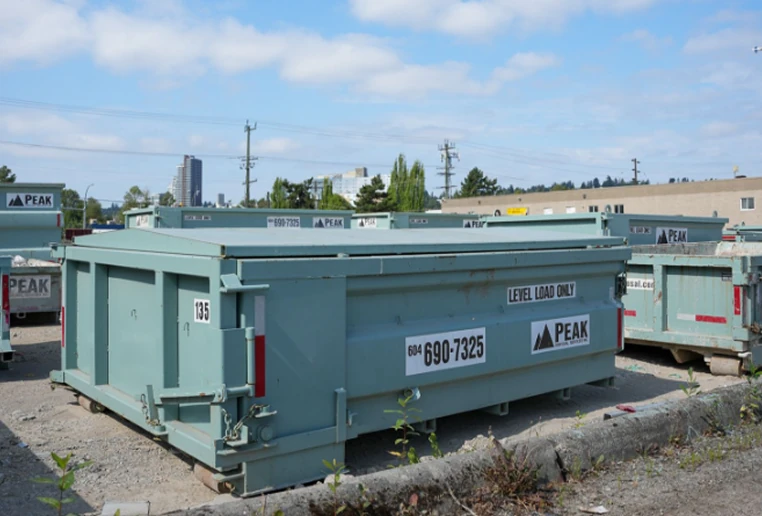
Peak Disposal bins are marked “Level Load Only.”
Material must not extend above the top rails. Items protruding above the bin may need to be removed before the driver can haul the container.
Dense materials such as concrete or soil may also reach transportation weight limits before the material reaches the top of the bin. Follow the loading instructions provided for the specific waste stream rather than assuming every bin can be filled completely.
Yes. The bins have doors that open to make loading easier. Before pickup, the door must be fully closed and securely latched in place.
Peak Disposal cannot pick up the bin if the door cannot be properly closed and secured.
No. Loads should be distributed as evenly as practical.
Concentrating a large amount of weight on one side can affect safe loading and transportation, particularly with dense materials.
An overloaded bin may not be hauled until the load has been reduced or corrected.
Overloading can involve:
Heavy debris such as concrete and soil requires particular care because transportation weight can become the limiting factor well before the container appears full.
For more guidance, see How Contractors Avoid Overweight Loads on Concrete Bins.
Pickup may need to be rescheduled if the driver cannot safely reach or remove the container.
Common access problems include:
Before pickup, confirm that the same access required for delivery remains available.
A little advance planning can help avoid access problems, placement issues, and scheduling disruptions.
Roll-off bins are delivered from the rear of the truck, so additional space is required beyond the length of the container itself.
Peak Disposal generally recommends allowing approximately 60 feet of clear operating space, although actual requirements depend on the bin, truck approach, turning radius, and site conditions.
Overhead clearance should also be considered.
Depending on site conditions, a bin may be placed on:
Final placement is subject to safe truck access and driver assessment.
Low wires, branches, garages, carports, slopes, soft ground, and limited turning room can all affect whether the requested position is suitable.
Presence is generally optional when:
If you have specific placement requirements, being on site can help ensure the driver understands the intended location.
The driver must still make the final determination about whether the bin can be placed safely.
Contact dispatch.
A project may finish:
Delivery, pickup, exchanges, and rental arrangements can often be adjusted when scheduling permits.
The earlier Peak Disposal knows about a change, the easier it is to coordinate the next service step.
If weather affects demolition, roofing, excavation, landscaping, or cleanup work and you need additional time, contact dispatch to discuss the revised schedule.
Do not assume an extension is automatic simply because work was delayed.
Whether your project finishes early, requires more time, or generates enough waste for multiple exchanges, Peak Disposal can help coordinate the next step.
Have your project location, bin details, required timing, and service request ready when you call.
Peak Disposal provides bin rental and coordinated hauling for a range of residential, commercial, construction, renovation, roofing, and temporary-site projects.
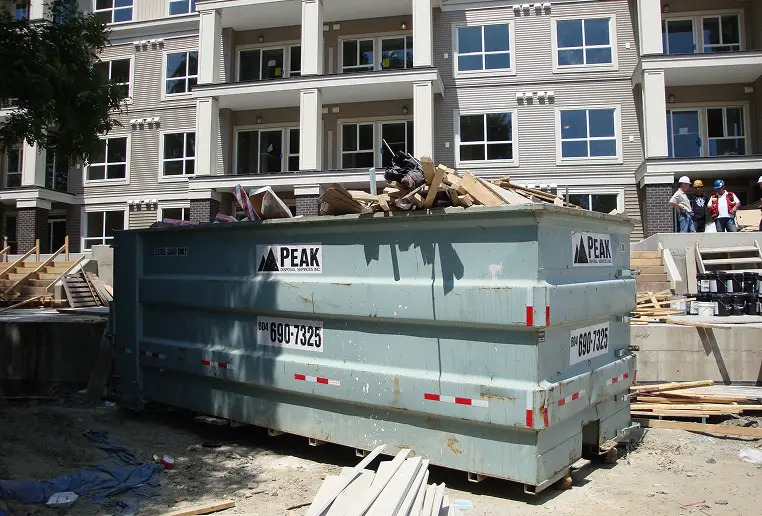
Bin rental for home cleanouts, renovations, moving, estate clearing, landscaping, and other residential projects.
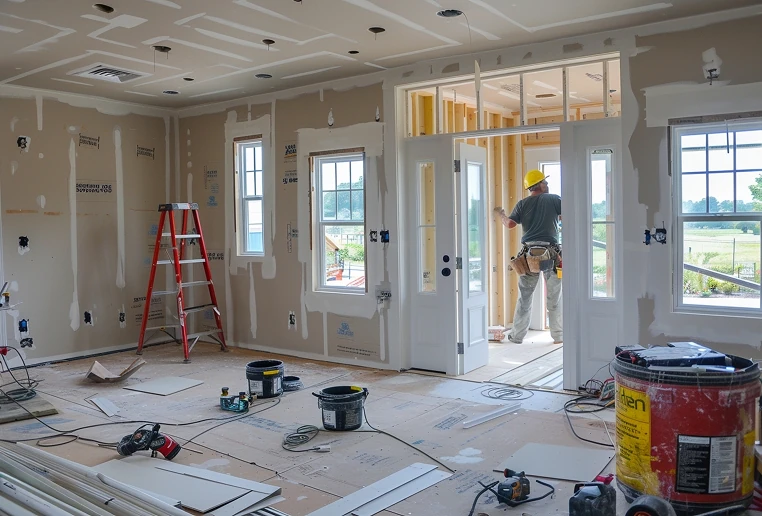
Flexible bins and hauling for kitchen, bathroom, flooring, interior demolition, and larger renovation projects.
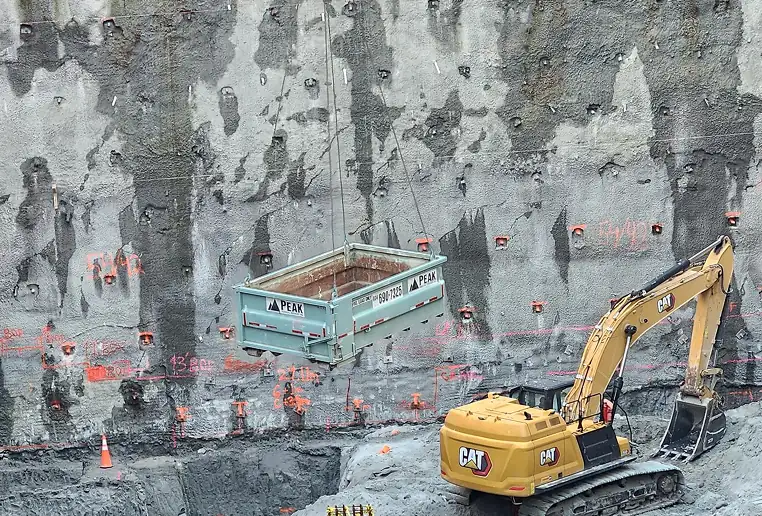
Coordinated bins, pickups, and exchanges for demolition, construction, redevelopment, and active job sites.
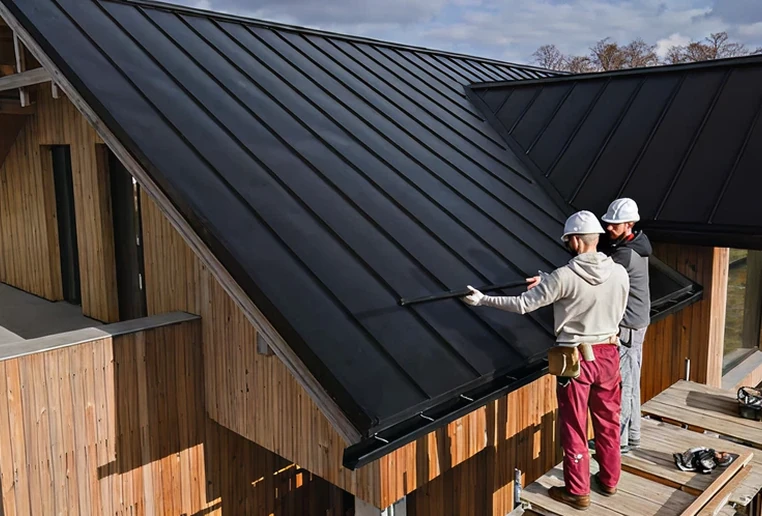
Bin service for roofing tear-offs, replacement work, and exterior renovation debris.
Flexible waste-bin service for offices, warehouses, retail properties, commercial facilities, and property-management operations.

Coordinated waste service for qualifying productions, events, festivals, and temporary sites.

Source-separated hauling and reporting support for qualifying construction projects with diversion-focused requirements.
Speak to a live Dispatcher instantly (no bots)
Our dispatch team can help you choose the right bin, review your materials, and coordinate delivery and pickup.
Suite 205, 145
Schoolhouse Street
Coquitlam, BC V3K 4X8
Dispatch: (604) 690-7325
Office: (604) 951-1177
Monday–Saturday: 7:00 AM–5:00 PM
Sunday: Closed