
Preparing your property before bin delivery helps make the process safer, smoother, and more efficient. Whether you’re arranging a residential cleanout, renovation, construction project, roofing job, or commercial waste removal, a little planning can help avoid unnecessary delays, placement issues, and access problems on delivery day.
Peak Disposal coordinates bin delivery for projects across Metro Vancouver and the Fraser Valley. Understanding site access, driveway conditions, overhead clearance, placement options, and permit requirements before the truck arrives helps ensure the delivery can be completed safely and according to project requirements.
Before your scheduled delivery:
Decide where the bin should be placed.
Ensure there is enough space for the truck to access the site.
Move parked vehicles or equipment that could block delivery.
Check for overhead power lines, tree branches, garages, balconies, or carports.
Consider whether the surface is suitable for a heavy roll-off bin.
Confirm whether municipal permission may be required if the bin will occupy public property.
Complete any required payment arrangements.
Contact dispatch if your project schedule or site conditions change before delivery.
Preparing the placement area helps reduce the likelihood of delivery delays while protecting both your property and the equipment used during delivery and pickup.
Not necessarily—but because both the truck and the bin are extremely heavy, there is always some risk depending on the surface conditions.
Hard, level surfaces are generally preferred. Soft ground and asphalt driveways during hot weather may be more susceptible to marking, sinking, or other damage.
Peak Disposal takes reasonable care during delivery and pickup. If you are concerned about damage to your driveway, please ensure you have three six foot long 2 X4 or 2X6 to place beneath the rails to help reduce the risk of scratching or surface marking. However, no company can guarantee that every surface will remain undamaged under every site condition.
If you have concerns about decorative paving, stamped concrete, exposed aggregate, or other specialty surfaces, discuss the placement location with dispatch before delivery.
Peak Disposal does not supply protective wood. Customers who want additional driveway protection should provide three 6-foot-long 2×4 or 2×6 boards for placement beneath the bin rails. If your driveway has decorative paving, specialty concrete, or another sensitive surface, discuss any additional protection requirements with dispatch before delivery.
Suitable placement depends on the site rather than one universal rule.
Common locations include:
Before recommending placement, the driver considers factors such as:
No, the container will damage your lawn and if the ground is wet the truck will likely get stuck
Wet lawns, recently landscaped areas, loose soil, and other soft ground can compress under the combined weight of the truck and loaded container.
Often, yes. A properly compacted gravel surface may provide a suitable placement area, provided it offers adequate support for both delivery and collection.
Loose gravel, steep slopes, soft edges, or unstable surfaces may require a different placement location.
Sometimes, but not every sloped driveway is suitable.
The driver must consider:
Steep driveways, particularly those with limited turning space or uneven surfaces, may require an alternative placement location.
If your property has a significant incline, let dispatch know before delivery so the site can be discussed in advance.
Preparing the site before the truck arrives helps avoid delays and allows delivery to proceed as smoothly as possible.
Before the scheduled delivery:
Taking a few minutes to prepare the site can help prevent unnecessary delays once the truck arrives.
For most residential customers, payment is arranged before the bin is delivered. Peak Disposal accepts common payment methods such as Visa, Mastercard, or cash. If your project involves contractor accounts, commercial billing, or other arrangements, discuss payment requirements with the office before delivery.
If delivery cannot be completed safely, the driver may need to postpone the delivery until the issue has been resolved.
Common reasons include:
If possible, the driver or dispatch will discuss alternative placement options before rescheduling.
Usually, yes. If your project schedule changes before delivery, contact dispatch as early as possible.
Providing advance notice gives the team the best opportunity to adjust the delivery schedule and coordinate another suitable time.
Changes remain subject to dispatch availability and existing commitments.
Weather can affect roofing, excavation, demolition, landscaping, and other outdoor work. If severe weather changes your project schedule or prevents the site from being ready, contact dispatch as soon as possible. Peak Disposal can discuss revised delivery arrangements based on scheduling availability and the updated project timeline.
Successful delivery depends on having enough room for the truck to safely approach, position, and unload the container.
Roll-off bins are unloaded from the rear of the truck, so additional operating space is required beyond the length of the container. Peak Disposal generally recommends allowing approximately 60 feet of l clear space, depending on the bin, truck approach, turning radius, and site conditions.
Actual requirements may vary depending on:
Providing accurate site information before delivery helps determine whether the requested location can be accessed safely.
Before delivery, check for overhead obstacles such as:
The truck must be able to safely raise and lower the container during placement and pickup.
If overhead obstructions are present, advise dispatch before delivery.
Delivery or pickup may need to be delayed until safe access is available.
Common obstacles include:
Before the scheduled delivery, ensure the access route and placement area remain clear.
The driver cannot safely place a container where overhead hazards create an unsafe working environment.
If branches, utility lines, or other overhead obstacles interfere with delivery, an alternative placement location may need to be used.
Customers should never attempt to move utility infrastructure themselves.
Customers are encouraged to identify their preferred placement location.
However, the driver makes the final decision regarding whether that location can be used safely.
Factors considered include:
If the requested location cannot be used safely, the driver will discuss practical alternatives whenever possible.
A little planning before delivery helps avoid unnecessary delays on delivery day. Understanding whether someone needs to be on site, where the bin can be placed, and whether municipal approval may be required makes the process much smoother.
Not necessarily. If the placement location has already been agreed upon, the site is accessible, and no special instructions apply, you may not need to be present during delivery.
However, being on site is recommended when:
If you are unsure whether your presence will be helpful, discuss your project with dispatch before delivery.
Let Peak Disposal know before the scheduled delivery.
Examples include:
The driver will make every reasonable effort to follow approved instructions, provided they can be carried out safely.
If the requested location presents a safety concern or cannot be accessed by the truck, an alternative placement location may be necessary.
Possibly. Permit requirements vary between municipalities throughout Metro Vancouver and the Fraser Valley.
If the container will occupy:
municipal approval may be required before delivery.
Because requirements differ by municipality, customers should confirm the applicable rules with the local authority before scheduling delivery.
Peak Disposal can coordinate delivery around the approved placement location, but obtaining any required municipal permission remains the responsibility of the customer or the appropriate project party.
Not always. The requested location must allow the truck to deliver and later collect the container safely.
Factors that may affect placement include:
If the preferred location cannot be used safely, the driver will recommend a practical alternative whenever possible.
Whether you’re preparing for a home renovation, construction project, roofing replacement, commercial cleanup, or property improvement, planning ahead helps make delivery safer and more efficient.
If you have questions about driveway protection, placement, truck access, municipal permits, or preparing your site before delivery, Peak Disposal’s dispatch team is ready to help.
Peak Disposal provides coordinated bin rental and hauling for residential, commercial, construction, renovation, roofing, and temporary-site projects throughout Metro Vancouver and the Fraser Valley.
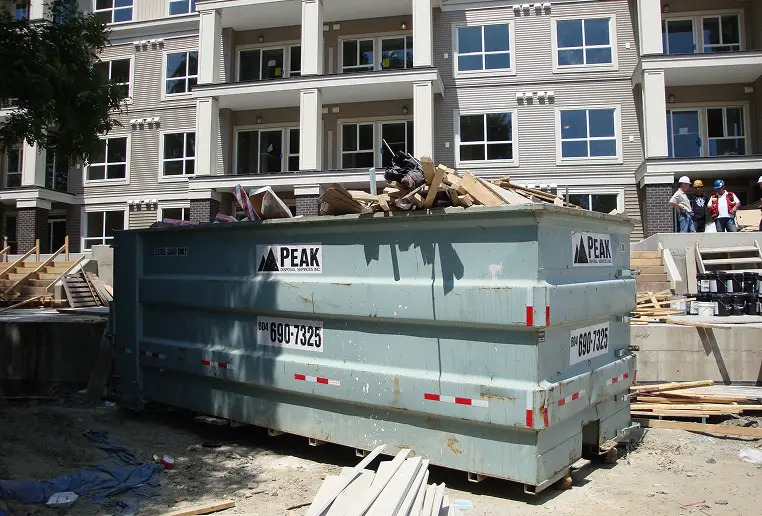
Bin rental for home cleanouts, renovations, moving, estate clearing, landscaping, and general household projects.

Bin rental for kitchen remodels, bathroom renovations, flooring replacement, interior demolition, and larger home improvement projects.
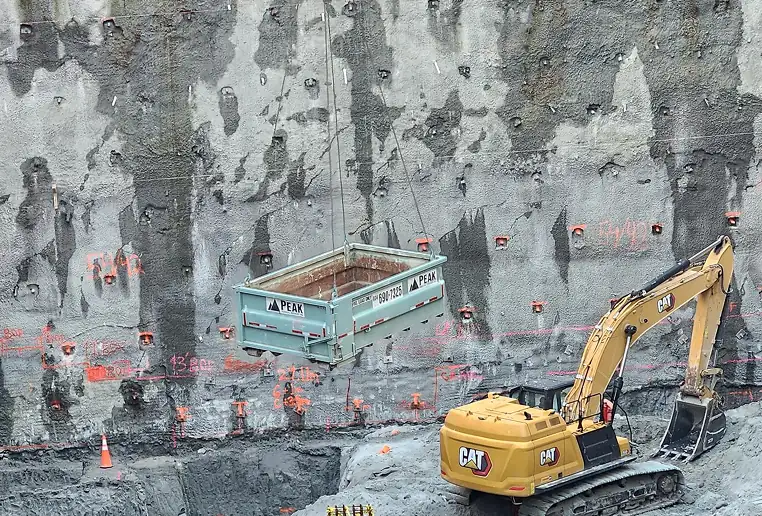
Coordinated bin delivery, exchanges, and hauling for demolition, redevelopment, construction, and active job sites.
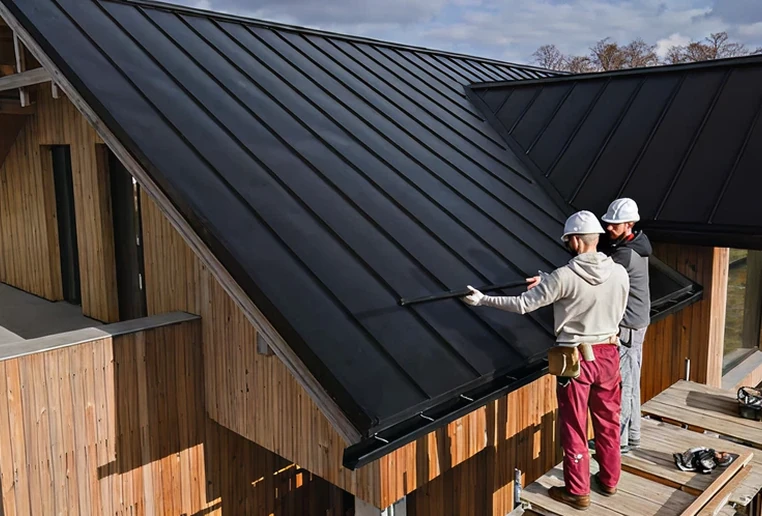
Bin rental for roofing tear-offs, replacement work, and exterior renovation projects.
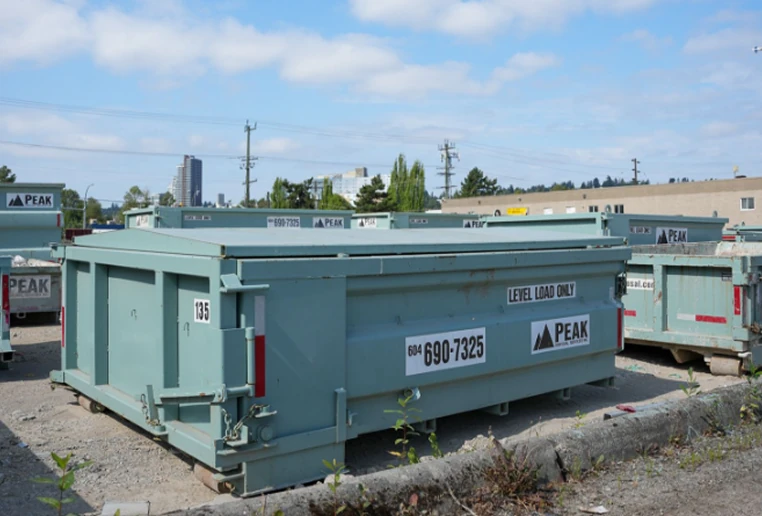
Flexible waste-bin service for offices, retail properties, warehouses, commercial facilities, and property-management operations.

Coordinated waste management for qualifying productions, festivals, events, and temporary venues.

Source-separated hauling and diversion reporting support for qualifying construction projects.
If you’re unsure which service best matches your project, Peak Disposal’s dispatch team can help determine the appropriate container size, scheduling requirements, placement considerations, and hauling plan based on your project scope.
Our dispatch team can help you choose the right bin, review your materials, and coordinate delivery and pickup.
Suite 205, 145
Schoolhouse Street
Coquitlam, BC V3K 4X8
Dispatch: (604) 690-7325
Office: (604) 951-1177
Monday–Saturday: 7:00 AM–5:00 PM
Sunday: Closed
Based in Coquitlam, Peak Disposal provides roll-off bin rental and waste removal services across Metro Vancouver.