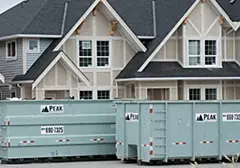
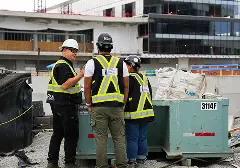
Construction bins can remain on a jobsite for days or weeks and may be used by several crews. That makes them an easy destination for lunch leftovers, coffee grounds, takeout food, and other waste that has nothing to do with the construction project.
But food scraps should not simply be mixed into a construction waste load. Metro Vancouver has banned food scraps from disposal as garbage at regional waste facilities since January 2015. The Organics Disposal Ban applies across the region, including to businesses, and waste delivered to regional disposal facilities is inspected for banned materials.
Keeping food waste separate helps protect the intended construction waste stream, reduces odours and pests around the site, and lowers the risk of problems when the load reaches its receiving facility.
Here is the Quick Answer:
- Food scraps should be kept out of construction bins used for project debris. Provide a separate collection option for food generated by crews onsite.
- Metro Vancouver’s Organics Disposal Ban applies throughout the region. Food scraps have been banned from disposal as garbage at regional waste facilities since January 2015.
- Loads containing excessive food waste can be surcharged. Metro Vancouver currently applies a 50% tipping-fee surcharge when food waste reaches the applicable threshold.
- Keep organics containers clearly labelled, covered, and separate from construction bins. Site orientation and simple signage can help prevent contamination.
- If the wrong material enters a Peak Disposal bin, ask before pickup when you are uncertain how it should be handled. Do not climb into a roll-off bin to retrieve material.
Can food waste go in a construction bin?
Food scraps should be kept out of a construction bin intended for construction, demolition, renovation, or other approved project debris.
The fact that a material physically fits in a roll-off bin does not mean it belongs in the waste stream arranged for that container. Construction bins are hauled according to the type of material they are intended to contain and the requirements of the receiving pathway.
Food waste is treated separately under Metro Vancouver’s regional waste system. Food scraps are banned from disposal as garbage at regional waste facilities, and the Organics Disposal Ban applies across Metro Vancouver, including to residential and commercial waste generators.
It is also important to distinguish the food itself from its packaging. Leftover meat, vegetables, bread, fruit, dairy products, and other food are food scraps. A plastic takeout container, wrapper, cup, or plastic-lined package is not automatically organic waste simply because it contained food.

What does Metro Vancouver’s Organics Disposal Ban require?
Metro Vancouver’s Organics Disposal Ban has been in effect since January 2015. It means organic materials such as food scraps are banned from disposal as garbage at the region’s waste facilities.
The ban is not limited to household green bins. Metro Vancouver states that separating food scraps applies across the region, including to homes, businesses, schools, grocery stores, and restaurants.
Waste loads delivered to Metro Vancouver disposal facilities are inspected for banned materials. Under the current Disposal Ban Program, banned recyclable materials can trigger a surcharge. The program manual specifies a 50% tipping-fee surcharge for loads containing 25% or more food waste by weight or volume.
That distinction matters. Finding a single sandwich crust in a construction load does not mean that a 50% surcharge automatically applies. But food scraps should still be separated rather than treated as acceptable construction waste.
Why the Ban Matters to Construction Loads
A construction site is not outside the regional waste system simply because its primary activity is building, renovating, or demolishing.
Workers may generate food waste while taking breaks onsite, and restaurant, grocery, or commercial kitchen projects may encounter existing food during renovation or cleanout work. That food needs to be considered separately from the construction debris generated by the project.
The practical rule is straightforward: do not use the construction bin as the site’s general lunchroom garbage container.

Why Food Waste Causes Problems in Construction Bins
Even apart from regulatory requirements, mixing food with construction debris can create avoidable jobsite and hauling problems.
Waste-Stream Contamination
A construction bin may be arranged for a particular type of debris or receiving pathway. Adding unrelated food waste changes the contents of the load and can interfere with proper sorting or disposal.
Odours
Food can begin decomposing while a bin sits onsite, particularly during warmer weather. A construction bin that would otherwise contain relatively dry project material can quickly develop unpleasant odours.
Insects and Wildlife
Food residues can attract flies, insects, rodents, and wildlife. Metro Vancouver specifically recommends keeping food-scrap containers covered and secured to help control smells, spills, insects, and animals.
Leakage and Mess
Wet food and liquids can make a construction load unnecessarily messy and create additional residue in and around the container.
Receiving-Facility Problems
When a load reaches a disposal or processing facility, its contents matter. Metro Vancouver inspects garbage loads for banned materials, and loads containing food waste above the applicable threshold can be subject to a disposal-ban surcharge.
What food waste is most likely to end up in a jobsite bin?
On most construction sites, the problem is not large-scale commercial food waste. It is the accumulation of small amounts generated by people working onsite.
Common examples include:
- Lunch leftovers
- Fruit and vegetable scraps
- Meat and bones
- Bread and baked goods
- Dairy products
- Coffee grounds and paper filters
- Tea bags
- Leftover takeout meals
- Spoiled food encountered during certain renovation or cleanout projects
Metro Vancouver’s food-scrap guidance includes produce, grains, dairy, meat, prepared food and leftovers, shells and bones, coffee grounds, filters, and paper tea bags among materials accepted in the food-scrap stream, subject to local program requirements.

Food Scraps vs. Food Packaging: Don’t Mix the Rules
One of the easiest mistakes on a jobsite is assuming that everything associated with lunch belongs in the same organics container.
It does not.
Food scraps belong in the appropriate organics stream. Packaging must be sorted according to the material and applicable local collection requirements.
Metro Vancouver says inorganic materials such as glass, metal, and plastic do not belong in the green bin. It also cautions that plastic and plastic-lined bags should be kept out, including bags labelled “biodegradable” or “compostable,” unless they are specifically permitted by the municipality or service provider.
Common jobsite lunch waste such as plastic cutlery, coffee-cup lids, Styrofoam, plastic wrap, chip bags, and plastic containers therefore should not be thrown into the organics bin simply because they came into contact with food.
There is another important local distinction: the Organics Disposal Ban is regional, but food-scrap collection programs are not identical across Metro Vancouver. Each member jurisdiction determines its own collection and processing approach, and accepted materials can vary.
When uncertain, check the requirements of the municipality or organics service provider handling the site’s food scraps.

How to Keep Food Out of Construction Bins
Preventing contamination is much easier than dealing with it after a construction bin has been loaded.
1. Provide a Separate Food-Scraps Container
If crews regularly eat onsite, give them an obvious place for food scraps. Without one, the nearest large construction bin can easily become the default.
The organics container should be clearly distinguishable from containers used for construction debris, garbage, or recycling.
2. Label the Construction Bin Clearly
Simple signage can remove ambiguity:
CONSTRUCTION DEBRIS ONLY — NO FOOD WASTE
Place the sign where workers can see it before throwing material into the bin.
3. Put Food-Scrap Containers Near Break Areas
Waste sorting is more likely to work when the appropriate container is convenient. Place food-scrap collection near the area where workers normally eat rather than expecting them to carry leftovers across the jobsite.
4. Include Waste Sorting in Site Orientation
If multiple trades and subcontractors will use the site, explain the waste setup at the beginning of the project.
Workers should know which bins are intended for construction debris, recycling, food scraps, and other separately managed materials.
5. Keep Organics Containers Covered
Use an appropriate container with a lid. Metro Vancouver recommends keeping food-scrap containers covered to contain smells and prevent spills, and securing outdoor containers against wildlife.
6. Check the Construction Bin Before Pickup
A quick visual check from outside the container can reveal obvious inappropriate material before the bin leaves the site.
This is particularly useful on projects where many workers or subcontractors have access to the bin.
7. Ask Before Loading an Uncertain Material
If something was not part of the waste stream originally planned for the bin, do not assume it can be added.
Contact Peak Disposal and describe the material before loading it so the appropriate bin and hauling arrangement can be confirmed.
What if food waste is already in the construction bin?
If food scraps have accidentally been put into a construction bin, stop adding more food waste and assess the situation before pickup.
If the material can be removed safely from outside the container, separate it into the appropriate waste stream. Never climb into, enter, or reach unsafely into a roll-off bin to retrieve food or another contaminant.
If there is substantial food waste in the load, it cannot be safely removed, or you are unsure whether the load can be accepted as planned, contact Peak Disposal before pickup. Explain what entered the bin and approximately how much is present.
Giving the hauler accurate information before collection is preferable to discovering a problem after the load reaches a receiving facility.
Special Case: Restaurant and Commercial Kitchen Renovations
Restaurant, grocery-store, commercial kitchen, and food-service renovations can present a different waste-management challenge.
A project may simultaneously generate:
- Construction and demolition debris
- Removed fixtures and building materials
- Packaging
- Recyclable materials
- Existing or spoiled food
- Food scraps generated by workers
These materials should not automatically be combined simply because they are being removed from the same property.
For example, demolishing restaurant cabinetry and disposing of spoiled food from the premises are two different waste-management tasks. The construction bin should contain only the materials approved for that particular bin and hauling arrangement.
For commercial projects involving significant quantities of food or organics, establish the appropriate food-waste collection pathway separately from the commercial bin rental used for approved project debris, and confirm organics requirements with the applicable municipality or service provider.
What actually belongs in your construction bin?
The answer depends on the type of construction bin rental and waste stream arranged for the project.
Depending on the service and receiving requirements, approved construction loads may include materials such as:
- Construction and renovation debris
- Wood
- Drywall
- Roofing materials
- Concrete or masonry under an appropriate arrangement
- Other approved project materials
Some heavy or specialized materials require their own bin or loading arrangement. Materials that are acceptable in one type of load should not automatically be assumed acceptable in another.
Before starting a project, tell Peak Disposal what you expect to remove. That makes it easier to select an appropriate bin and establish the correct hauling pathway before loading begins.
[Compare Peak Disposal Bin Sizes]

How Peak Disposal Fits Into the Process
Peak Disposal can help customers plan bin selection, delivery, pickup, hauling logistics, and the receiving pathway for approved construction and renovation material.
That process works best when the expected waste stream is identified before the bin arrives. If the project changes or an unexpected material is encountered, contact Peak before adding it to the container.
Peak Disposal does not replace municipal or regional waste authorities, and collection requirements for food scraps can vary by municipality and service provider. Metro Vancouver itself advises residents and businesses to confirm local food-scrap program requirements with their municipality.
Keeping the streams separate from the beginning is the simplest approach: use the construction bin for the approved project debris and arrange an appropriate separate pathway for food scraps.
Not Sure What Can Go in Your Construction Bin?
Good waste planning starts before the first load goes into the bin. Tell Peak Disposal what your construction, demolition, or renovation project is expected to generate so the appropriate bin and hauling arrangement can be planned.
If an unexpected material appears during the project, ask before loading it rather than assuming it belongs with the construction debris.
Sources: