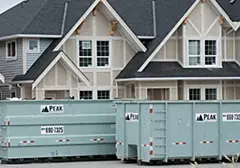
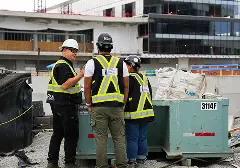
Construction, renovation, demolition, and property maintenance projects often generate more than solid waste. Fuel, oil, paint, solvents, adhesives, cleaning chemicals, and other liquid products may also need to be managed before a roll-off bin arrives on site.
Unlike construction debris, free liquids generally cannot be placed in roll-off bins. They can leak during transportation, contaminate other waste, create safety hazards, and prevent receiving facilities from accepting the load.
Understanding which materials require separate handling helps avoid rejected pickups, additional charges, project delays, and unnecessary environmental risks.
Here is the Quick Answer:
Before loading a roll-off bin:
- remember that roll-off bins are intended for solid waste;
- never place free liquids into the container;
- keep fuels, oils, paints, solvents, and chemicals separate;
- isolate unidentified liquids and obtain guidance from an appropriately qualified waste provider before handling or disposal;
- understand that some dried products may be acceptable while their liquid forms are not;
- tell Peak Disposal if your project involves unusual materials;
- ask before loading anything you are unsure about.
Preparing materials in advance helps support safer, more efficient disposal.
Why Liquids Cannot Go Into Roll-Off Bins
Roll-off bins are designed to transport solid construction and demolition materials—not free liquids.

Liquid waste can:
- leak during transportation;
- contaminate recyclable materials;
- create safety risks for workers;
- damage equipment or containers;
- prevent receiving facilities from accepting the load;
- require additional handling or cleanup.
For these reasons, liquids should be managed separately before solid waste is loaded into the container.

Common Liquid Wastes That Cannot Go in a Roll-Off Bin
Many construction and renovation projects generate products that require separate disposal.
Fuel
Gasoline, diesel, kerosene, and similar fuels should never be placed in a roll-off bin.
These materials present fire, environmental, and handling hazards and require appropriate disposal through approved collection programs or facilities.
Motor Oil and Lubricants
Used motor oil, gear oil, transmission fluid, hydraulic oil, and similar lubricants should remain in suitable containers until they can be recycled or disposed of through approved programs.
A spill can contaminate otherwise acceptable waste and affect how the load must be handled.
Antifreeze and Automotive Fluids
Antifreeze, brake fluid, power steering fluid, windshield washer fluid, and other automotive liquids should always be kept separate from construction debris.
Paint
Liquid paint should not be placed in a roll-off bin.
Paint cans with product remaining should be kept out of the bin. Empty or dried containers may have separate recycling or receiving requirements, so confirm the correct option before disposal. If you are uncertain, confirm before loading the container.
Solvents
Products such as:
- paint thinner;
- acetone;
- mineral spirits;
- lacquer thinner
should never be disposed of in a construction bin while still in liquid form.
Adhesives and Sealants
Liquid adhesives, roofing tar, sealants, resins, and similar products may require separate disposal depending on their condition and composition.
Always ask before placing these materials into a roll-off bin.
Pesticides and Herbicides
Unused pesticides, herbicides, and similar chemicals should never be mixed with construction waste.
These materials often require dedicated collection or disposal programs.
Cleaning Chemicals
Industrial cleaners, degreasers, disinfectants, acids, and other cleaning chemicals should remain separate from demolition debris unless appropriate disposal has been confirmed.
Pool Chemicals
Pool chlorine, treatment chemicals, and similar products should not be placed into a roll-off bin.
Unknown Liquids
If a liquid cannot be identified, do not open, smell, mix, pour, or place it in the container. Isolate it in its existing container where this can be done safely, restrict access, and obtain guidance from an appropriately qualified waste provider.
Wet or damp materials are not necessarily liquid waste
Moisture in an otherwise solid material does not automatically make it liquid waste. Examples may include:
- damp soil;
- rain-soaked wood;
- wet bricks;
- moist asphalt;
- cured concrete that is wet from rain or cutting.
The key concern is whether the load contains free-flowing liquid, slurry, or material that may leak during transportation.
Fresh, unset concrete and concrete slurry should not be placed in a roll-off bin unless Peak Disposal has expressly reviewed and approved the material and handling plan. Cured concrete removal should follow the project-specific loading guidance outlined in our guide to choosing the right bin for concrete removal projects.

Containers That Still Contain Liquid
A container may appear empty while still containing liquid residue.
Examples include:
- paint cans;
- oil containers;
- fuel cans;
- chemical bottles;
- solvent containers.
Before disposing of any container, ensure it meets the applicable receiving-facility requirements. When in doubt, ask before placing it in the bin.
Hazardous waste and construction waste are not the same
Some liquid products may also be regulated as hazardous waste.
Determining whether a material meets the applicable regulatory definition depends on its composition, condition, and intended disposal pathway.
Peak Disposal does not classify or characterise hazardous waste. Classification may depend on the product’s composition, concentration, condition, source, and applicable regulatory criteria. Customers should consult the product label or safety data sheet and obtain guidance from a qualified waste provider where classification is uncertain.
How to Prepare Your Site Before Ordering a Bin
A few simple planning steps can help prevent disposal problems later.
Before your bin arrives:
- separate liquids from solid waste;
- keep chemicals in suitable containers;
- isolate unidentified products and seek appropriate disposal guidance;
- empty work areas of prohibited liquid materials;
- avoid mixing different liquids together;
- inform your crew about prohibited items;
- contact Peak Disposal if unusual materials are expected.
Planning ahead can reduce delays and make collection more efficient.
Why Disclosure Matters
If your project involves unusual materials, let Peak Disposal know before delivery.
Sharing information about your waste stream allows the team to:
- review the project requirements;
- identify potential concerns;
- explain prohibited materials;
- discuss loading expectations;
- help reduce the risk of rejected loads.
Providing accurate information before delivery is often much easier than resolving problems after a container has already been loaded.
Materials That Commonly Require Separate Handling
|
Material |
Roll-Off Bin? |
| Gasoline | No |
| Diesel | No |
| Motor Oil and Lubricants | No |
| Hydraulic Fluid | No |
| Antifreeze and Automotive Fluids | No |
| Liquid Paint | No |
| Paint Thinner and Solvents | No |
| Pesticides and Herbicides | No |
| Cleaning and Pool Chemicals | No |
| Unknown or Unidentified Liquids | No |
| Fresh or Unset Concrete | No, Unless Expressly Approved by Peak Disposal |
| Concrete Slurry | No |
| Cured Concrete | May Be Accepted Under Project-Specific Loading Instructions |
| Paint Cans with Paint Remaining | No |
| Empty or Fully Dried Paint Cans | Confirm the Applicable Recycling or Receiving Option Before Disposal |
| Empty Fuel, Oil, or Chemical Containers | Confirm the Applicable Recycling or Receiving Option Before Disposal |

How Peak Disposal Helps Keep Projects Running Smoothly
Peak Disposal helps contractors, renovators, landscapers, builders, property managers, and homeowners prepare suitable waste streams before a construction bin rental is delivered.
Support may include:
- reviewing the materials being removed;
- identifying commonly prohibited items;
- discussing project-specific loading considerations;
- helping customers prepare acceptable solid waste streams;
- coordinating bin delivery and collection;
- answering questions before loading begins.
Peak Disposal does not provide hazardous-waste disposal or determine regulatory classifications for liquid products.
Related Resources
- Construction Bin Rental
- Choosing the Right Bin for Concrete Removal Projects
- Excavation Soil Disposal in Metro Vancouver
- Dirt and Concrete Bin Rentals: How to Avoid Overweight Fines in BC
- Our Bins
Need help preparing your waste for disposal?
Every project is different, and unusual materials can affect how waste should be handled.
If your construction, renovation, demolition, or property maintenance project involves paints, oils, chemicals, or other liquid products, discuss your materials with Peak Disposal before loading the bin.
By planning ahead, you can prepare an appropriate solid waste stream, avoid prohibited materials, and help keep your project moving efficiently.