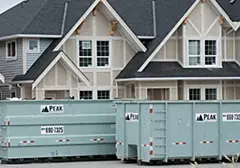
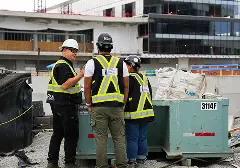
Concrete, soil, asphalt, brick, and excavation debris are some of the heaviest materials commonly loaded into disposal bins. In British Columbia, these materials can create hauling problems much faster than many homeowners or contractors expect. A bin may appear only partially full while already approaching transportation weight limits.
This is one of the main reasons overweight loads create delays, rejected pickups, additional hauling costs, and operational complications on demolition, excavation, landscaping, and renovation projects throughout BC.
Understanding how concrete and dirt bin rental services work helps reduce many of these problems before loading even begins. Choosing the correct clean fill bin is not only about the amount of material being removed. Weight distribution, material type, contamination risks, moisture levels, and hauling restrictions all influence how heavy-material disposal must be managed safely.
Here is the Quick Answer:
Concrete and dirt bin rentals are designed for dense materials such as soil, concrete, asphalt, brick, and excavation debris. Because these materials become extremely heavy very quickly, overloaded bins can create transportation safety issues, rejected pickups, and additional hauling costs in BC. Using smaller clean fill bins, separating materials properly, and avoiding contamination helps reduce overweight risks and improve hauling efficiency.
Why Heavy Materials Create Different Disposal Challenges
Many disposal projects are planned based primarily on visual volume. That approach works reasonably well for lighter materials such as household junk, drywall, cardboard, or wood waste. Heavy materials behave very differently.
Concrete, dirt, asphalt, and masonry debris can exceed transportation limits long before a container appears visually full. This often surprises homeowners managing demolition or excavation projects for the first time.
Heavy loads place greater stress on hauling equipment, truck weight capacity, loading stability, roadway safety compliance, and disposal processing systems. Because of this, concrete and dirt disposal usually requires smaller bins, more controlled loading practices, and stricter material separation than standard mixed-waste disposal.
Even relatively small excavation projects can generate substantial weight quickly, especially when wet soil or broken concrete is involved.

What is a clean fill bin?
A clean fill bin is specifically intended for uncontaminated heavy materials. These bins are commonly used for concrete removal, soil excavation, asphalt disposal, retaining-wall demolition, driveway removal, landscaping projects, and foundation excavation work.
The term “clean fill” generally refers to loads that contain approved heavy materials without contamination from garbage or mixed construction debris. Materials such as wood, plastics, drywall, food waste, liquids, or hazardous substances can complicate processing and reduce recycling or recovery efficiency.
For projects generating multiple waste streams, separating clean fill materials from mixed debris usually improves hauling coordination and disposal efficiency throughout the project.
Why Overweight Loads Become a Serious Problem
Overweight bins create more than simple pricing issues. In BC, hauling companies must comply with transportation regulations and roadway safety requirements that affect how heavy materials are moved.
When bins exceed safe hauling limits, pickups may be delayed until weight is reduced. In some cases, overloaded containers may need to be partially unloaded before transportation can proceed safely. This can create avoidable downtime for active projects where demolition, excavation, or loading schedules are already tightly coordinated.
Heavy debris also shifts differently during transportation compared to lighter mixed materials. Unevenly loaded concrete or soil can affect hauling stability, particularly on projects involving sloped driveways, restricted loading areas, or uneven terrain.
Weather conditions can make these problems worse. Soil and excavation debris become significantly heavier after rainfall, which is especially relevant across Metro Vancouver during wet seasons.
Why Smaller Bins Are Often More Efficient for Concrete and Dirt
Many people assume larger bins automatically create more efficient disposal. With dense materials, the opposite is often true.
Smaller bins are required for concrete, asphalt, brick, and soil because they help maintain safer transportation weight levels while improving loading control and hauling efficiency. A smaller container filled correctly is far easier to manage than a larger overloaded bin that cannot be hauled safely.
For this reason, 8 and 10-yard bins are frequently used for concrete and excavation debris.
The correct choice depends less on how much space the debris occupies and more on how much the material actually weighs once loaded.
Common Mistakes That Lead to Overweight Charges
Most overweight issues happen gradually during loading rather than from a single major mistake. Some of the most common problems include:
- overfilling bins with dense material
- mixing heavy debris with wet soil
- loading materials unevenly
- combining clean fill with mixed construction waste
- underestimating excavation weight
- continuing to load after reaching safe hauling capacity
Because concrete and dirt do not visually appear as “full” as lighter debris, people often continue loading longer than they should.

Why Material Separation Matters
Separating heavy materials from mixed debris improves both hauling efficiency and disposal processing. Concrete, asphalt, soil, brick, and masonry materials may follow different recycling or processing pathways depending on contamination levels and facility requirements.
When recyclable heavy materials are mixed with garbage or contaminated waste, disposal becomes more complicated and more expensive. Mixed loads may require additional sorting, separate processing procedures, or alternative disposal handling.
Projects generating both demolition debris and excavation waste often benefit from using separate bins for different material streams. This approach generally improves loading organization, reduces contamination risks, creates more predictable hauling coordination throughout the project and reduces cost.
Learn More: Concrete, Dirt & Asphalt Disposal Guidelines
Heavy-Material Disposal Also Affects Site Safety
Overflowing dirt piles, overloaded bins, unstable concrete debris, and poorly organized loading areas can quickly create safety concerns on active worksites.
Heavy-material disposal affects more than cleanup alone. Organized hauling support helps maintain cleaner work areas, reduce loading congestion, improve equipment access, and support safer demolition or excavation conditions throughout the project timeline.
For contractors and homeowners alike, keeping heavy debris under control often becomes an important part of maintaining smoother project operations overall.
Best Practices for Avoiding Overweight Fines and Hauling Delays
Projects involving concrete, soil, or excavation debris are usually far easier to manage when loading is planned carefully from the beginning.
Some of the most effective ways to reduce overweight risks include:
- Use smaller bins for dense heavy materials
- Separate clean fill from mixed debris whenever possible
- Avoid overloading bins above safe hauling levels
- Distribute weight evenly throughout the container
- Keep recyclable materials free from contamination
- Coordinate hauling early for larger excavation projects
These practices help reduce rejected pickups, transportation complications, and avoidable project delays.
How Peak Disposal Supports Concrete and Dirt Disposal Projects
Heavy-material hauling requires practical coordination, especially during excavation, demolition, landscaping, and concrete-removal projects where debris accumulates rapidly.
Peak Disposal provides clean fill bin rental support for contractors, builders, landscapers, and homeowners managing concrete, dirt, asphalt, and excavation disposal projects across BC. This includes coordinated hauling support, scheduled pickups, practical loading guidance, and clean fill disposal solutions designed specifically for dense material streams.
Matching the correct bin size to the project conditions and material type helps make heavy-material disposal safer, more organized, and easier to manage throughout active work phases.

Need a Concrete or Dirt Bin Rental?
Concrete, soil, asphalt, and excavation debris require more planning than standard mixed-waste disposal. Choosing the correct clean fill bin and managing loading properly helps reduce hauling delays, overweight complications, and transportation issues throughout the project.
Peak Disposal supports heavy-material disposal projects with coordinated hauling, clean fill bin rentals, and practical loading guidance for concrete, dirt, asphalt, and excavation debris across BC.