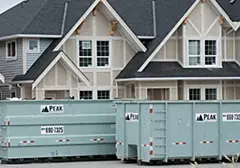
One of the most common questions people ask before renting a disposal bin is how long they can keep it on site. The answer depends on the project, the type of debris being loaded, scheduling needs, and how quickly the bin reaches capacity.
For many projects, standard rental periods are typically up to 14 days. However, some cleanups finish much sooner, while larger renovation, construction, roofing, or commercial projects may require longer timelines, bin swaps, or adjusted pickup schedules.
Understanding how rental timelines work helps homeowners, contractors, and property managers plan waste removal more efficiently and avoid unnecessary delays.
Here is the Quick Answer:
Rental bins are commonly kept for up to 14 days, though the right timeline depends on the project. Short cleanups may only need a bin for a few days, while renovations, construction work, and multi-phase projects may require flexible scheduling, bin swaps, or longer arrangements. Peak Disposal coordinates rental timelines based on project needs and dispatch availability.
Why Rental Bin Timelines Vary
Not every project generates waste at the same pace.
A garage cleanout may be completed in a weekend, while a renovation project may generate debris gradually over several weeks. Roofing projects can fill bins quickly during tear-off work, while construction sites may need recurring swaps as different phases of work progress.
Because of this, the question is not only how long you can keep the bin. The better question is how long the bin needs to remain useful on site.
Rental timelines are usually shaped by debris volume, loading speed, material type, site access, and pickup scheduling.

Common Rental Periods for Different Projects
Most short-term residential cleanup projects only need a bin for a few days. Moving preparation, garage clearing, basement cleanup, and yard projects often move quickly once the bin is delivered.
Renovation and remodeling projects usually require more flexibility because debris is generated in stages. Demolition may happen first, followed by flooring removal, cabinetry disposal, drywall waste, fixture removal, and packaging debris.
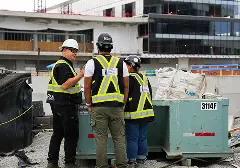
Construction and commercial projects may require even more coordination because debris accumulates throughout active work phases. These projects often depend less on one fixed rental period and more on scheduled pickups, bin swaps, and dispatch coordination.
What happens if you need the bin longer?
Project timelines can change. Renovation delays, weather conditions, contractor schedules, material deliveries, and access issues can all affect how long a bin needs to remain on site.
If a project requires more time, rental extensions may be available depending on scheduling and operational requirements. The best approach is to contact dispatch before the original pickup window rather than waiting until the bin is already overdue.
Early communication gives the hauling team more room to adjust pickup timing and keep scheduling organized.
What if the bin fills up early?
Some projects generate waste faster than expected.
If the bin fills before the rental period ends, it should not continue to be loaded beyond safe hauling limits. Overloaded bins may need to be reduced before pickup, especially when heavy materials are involved.
For active renovation, roofing, construction, or cleanup projects, a bin swap may be more practical than trying to keep loading one full container. In a bin swap, the full bin is removed and an empty bin is delivered so work can continue with less interruption.

Why Material Type Affects Rental Timing
The type of waste being loaded can affect both how long the bin stays on site and how quickly it needs to be serviced.
Light household debris may take several days to load. Dense materials such as concrete, soil, tile, roofing shingles, or plaster can reach hauling weight limits much faster, even when the bin does not appear visually full.
This is why heavy debris often requires more careful planning. The bin may not need to stay on site for long, but it may need earlier pickup or a smaller container to maintain safe hauling conditions.
Placement can also affect scheduling
Bin placement can influence how smoothly the rental period goes.
A bin placed in a driveway with clear loading access is usually easier to use throughout the project. Sites with narrow lanes, steep driveways, restricted street placement, shared access areas, or active contractor traffic may require more coordination.
If placement is difficult, scheduling delivery and pickup carefully becomes more important. Proper planning helps reduce delays and avoids disrupting surrounding access.
How Flexible Scheduling Helps Active Projects
Flexible scheduling is especially useful for projects where waste generation changes over time.
A renovation may start slowly and then produce most of its debris during demolition. A roofing project may fill a bin quickly during a single tear-off day. A commercial project may require recurring pickups to keep loading areas clear.
Peak Disposal coordinates bin rental timing based on project conditions, dispatch availability, and hauling requirements. This helps keep bins useful throughout the project rather than forcing every cleanup into a fixed schedule.

When should you schedule pickup?
Pickup should usually be scheduled once the bin is full, the project is complete, or the rental period is approaching its end.
It is best not to wait until the last moment if the project has access constraints or timing restrictions. Scheduling pickup early helps reduce delays and allows dispatch to coordinate hauling more efficiently.
For projects with active crews, it may also be helpful to plan pickup around work phases so the bin does not block access or remain on site longer than needed.
How to Plan Your Rental Timeline
Before ordering a bin, it helps to consider how the project will generate waste.
Useful planning questions include:
- Will the cleanup happen in one day or over several days?
- Will debris be generated gradually?
- Are contractors or crews working in phases?
- Will heavy materials fill the bin quickly?
- Is driveway, lane, or street access limited?
- Could the project require a bin swap?
These questions help determine whether a standard rental period is enough or a more flexible schedule may be needed.

How Peak Disposal Supports Flexible Bin Rentals
Peak Disposal supports residential, renovation, construction, roofing, commercial, and event projects with practical bin rental scheduling and coordinated hauling support.
For many projects, standard rental periods are typically up to 14 days. Longer arrangements, earlier pickups, or bin swaps may be available depending on project needs and dispatch scheduling.
The goal is to match the rental timeline to the way the project actually works, helping keep waste removal organized from delivery through final pickup.
Need help planning your rental bin timeline?
Choosing the right bin is only one part of the process. Planning how long the bin stays on site can help reduce delays, avoid overloading, and keep cleanup or construction work moving efficiently.
Peak Disposal can help coordinate rental timing, pickup scheduling, and bin swaps based on your project conditions.