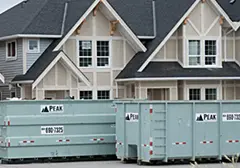
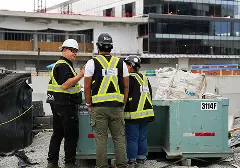
Construction waste sorting becomes harder when several trades share the same jobsite. Framers, drywall crews, roofers, electricians, flooring installers, and demolition teams generate different materials, and one unclear instruction can put the wrong material into a planned waste stream.
In Metro Vancouver, this can matter because disposal-ban surcharges depend on the material and applicable threshold rather than one universal “mixed debris surcharge.” Clear instructions, material-specific signs, and regular bin checks can catch sorting problems before pickup. 1 2
The best time to prevent an incorrectly sorted load is before workers begin using the bins.
Here is the Quick Answer:
- Define each construction waste stream before bins arrive onsite.
- Tell every sub-trade what belongs in each container during site orientation.
- Use material-specific signage instead of broad labels such as “waste” or “recycling.”
- Check bins during the project rather than waiting until pickup.
- If an unexpected material appears, stop and confirm the correct handling or receiving pathway before loading it.
Why Mixed Debris Happens on Multi-Trade Construction Sites
Waste sorting becomes harder as crews, materials, and work areas change throughout a construction project. A system that works during framing may need different instructions once drywall, roofing, finishing, or demolition begins. Metro Vancouver says construction, demolition, and renovation material makes up about one-third of the waste sent to landfills in the region. 3
- Different trades generate different waste. Framers, drywall crews, roofers, electricians, and demolition teams do not produce the same materials, so one generic instruction is rarely enough.
- Crews and project phases change. Workers arriving later may not have heard the original instructions, while the materials generated onsite can change substantially between demolition, framing, drywall, finishing, and cleanup.
- Convenience and vague labels cause mistakes. Workers may use the nearest bin, while signs such as “WOOD” or “RECYCLING” may not explain what actually belongs in that stream. USGBC guidance for construction waste management recommends conveniently located containers and clear multilingual or symbol-based signage for source-separated material. 4
- Physical fit does not mean acceptable loading. A material may fit inside a roll-off bin but still conflict with the planned waste stream, receiving requirements, or heavy-material loading arrangement.
Choosing appropriate construction bin rentals and establishing clear loading instructions can help contractors manage different waste streams as projects move through each phase.

When can incorrect sorting lead to disposal surcharges?
Metro Vancouver does not apply one universal surcharge to every mixed construction load. Its current Tipping Fee Bylaw sets different triggers for banned recyclable materials, food waste, expanded polystyrene packaging, and hazardous, operational-impact, or product-stewardship materials.
| Material Category | Current Trigger | Current Surcharge |
| Banned Recyclable Materials Other Than Food Waste or EPS Packaging | Exceeds 5% of Load by Weight or Volume | 50% of Applicable Tipping Fee |
| Food Waste | Exceeds 25% of Load by Weight or Volume | 50% of Applicable Tipping Fee |
| Expanded Polystyrene Packaging | Exceeds 20% of Load by Weight or Volume | 100% of Applicable Tipping Fee |
| Hazardous, Operational-Impact or Product-Stewardship Materials | Any Applicable Material in the Load | $80 per Load Plus Remediation or Clean-Up Costs |
These amounts reflect the current consolidated bylaw, including the 2026 amendment effective July 1, 2026. The percentage triggers use “exceeds” rather than “equals or exceeds.” 1
The thresholds determine when the listed regional surcharges apply. They should not be interpreted as permission to intentionally put smaller amounts of banned material into garbage. Metro Vancouver describes these materials as items that should not be in the garbage and directs customers toward appropriate recycling or handling routes. 2
These are Metro Vancouver disposal-system surcharges, not charges that Peak Disposal independently defines. Incorrect material may change the receiving requirements or create additional costs that affect the project or hauling arrangement.
Mixed Debris Is Not Automatically a Violation
A construction load is not automatically subject to a disposal-ban surcharge simply because it contains several types of construction debris. Some projects may use a planned mixed-debris arrangement, while others benefit from separate streams.
Problems arise when banned material enters garbage, a dedicated stream becomes contaminated, special-handling material enters an ordinary load, or the material no longer matches the receiving pathway planned for the project.

Materials Sub-Trades Need to Know Before They Start Loading
Workers do not need to become waste-regulation specialists. They do need clear instructions about the materials most likely to cause sorting or receiving problems.
Clean Wood
Clean wood is a specific waste stream, not every piece of wood generated onsite. Metro Vancouver defines clean wood as solid wood, lumber, or pallets without glues or resins that are unpainted, unstained, and untreated. Nails and other metal fasteners may be present. Clean wood is also listed as a banned recyclable material. 1
Painted, stained, pressure-treated, plywood, engineered, laminated, composite, and other wood products should not automatically be treated as clean wood. If a project has a dedicated clean-wood stream, workers should confirm what belongs in it before loading. Peak’s Wood Waste Recycling in BC guide covers these material differences in more detail.
Contractors managing large volumes of lumber and framing debris can explore Peak Disposal’s wood waste disposal services to discuss suitable collection and hauling arrangements.
Drywall and Gypsum
Metro Vancouver distinguishes new gypsum from used gypsum. New gypsum accepted for recycling is date-stamped 1990 or newer, has never been installed, and has no tape, paint, or mud. Under the current Tipping Fee Bylaw, used gypsum includes material without a date stamp, material dated before 1990, or gypsum containing tape, paint, or drywall mud. Older installed drywall may also involve asbestos concerns associated with tape and joint compound. Metro Vancouver’s used-gypsum residential program does not accept material from contractors and businesses. 6
Crews should therefore follow the project-specific drywall arrangement rather than adding removed gypsum to another waste stream by default. Peak Disposal’s Drywall Disposal Rules in BC guide provides more detail.
Peak Disposal’s drywall disposal service can help contractors plan suitable bin and hauling arrangements for disclosed gypsum materials.
Cardboard and Packaging
Corrugated cardboard is listed among Metro Vancouver’s banned recyclable materials. Projects receiving large amounts of packaged equipment, fixtures, cabinetry, or finishes should give crews a clear cardboard route rather than allowing packaging to become general construction garbage.
Concrete, Brick, Asphalt and Masonry
Dense debris needs careful loading planning because transportation weight can become limiting before the container looks full. Peak Disposal advises contractors to consider expected weight, project scope, loading method, access, and site conditions when selecting bins for concrete and similar heavy materials. 7
This is another reason workers need to know which bin has been designated for heavy material. A large container should not be filled with dense material simply because empty volume remains. For more planning context, see Peak Disposal’s guide to concrete disposal costs in Metro Vancouver and its guide to avoiding overweight concrete-bin loads.
Peak Disposal advises contractors to consider expected weight, project scope, loading method, access, and site conditions when arranging concrete disposal bins and hauling.
Food and Break-Room Waste
Food scraps should not simply be thrown into construction bins. Food waste is a banned recyclable material under Metro Vancouver’s system, although its disposal-ban surcharge has its own 25% trigger.
On shared jobsites, a separate food-scrap container near break areas can prevent the construction bin from becoming the default. Peak Disposal’s Food Waste Guide for construction bins provides practical site guidance.
Hazardous and Special-Handling Materials
Liquids, hazardous waste, paints and paint containers, solvents, lead-acid batteries, electronics, tires, and several other materials fall under Metro Vancouver’s hazardous, operational-impact, or product-stewardship categories. These categories can trigger the $80-per-load surcharge plus applicable remediation or clean-up costs. 1
Workers should not make technical decisions about suspected asbestos or other uncertain material themselves. The instruction should be simple: if you are unsure, stop and ask before loading it.

Train Sub-Trades Before the First Load Goes in the Bin
Waste sorting works better when it is part of normal site management from the beginning. WorkSafeBC’s general training guidance supports worksite orientation before work begins, task-specific instruction, supervision, and continued follow-up. WorkSafeBC’s guidance applies to worker training and supervision generally; it does not establish a specific construction-waste sorting requirement. 9
1. Include Waste Sorting in Site Orientation
Tell each incoming trade which containers or collection areas are active, what belongs in them, what must remain separate, who answers waste questions, and what to do when an unexpected material appears.
2. Make Instructions Trade-Specific
Use examples workers will actually encounter. Framers may need guidance on clean lumber versus treated or engineered wood. Drywall crews need instructions for new offcuts and previously installed gypsum. Roofers and demolition crews need the loading and material rules that apply to their part of the project.
Roofers should understand the loading requirements and material restrictions for roofing bin rentals, while demolition crews need instructions that reflect the materials generated during their phase of the project.
3. Use Clear Bin Signage
CLEAN WOOD ONLY — NO PAINTED OR TREATED WOOD is more useful than WOOD. Images or simple symbols can also help when terminology or language differences could cause confusion. USGBC recommends clear signage as part of source-separated construction waste management. 4
4. Put Signs at the Loading Point
Place instructions where the worker decides where the material goes. A sign in the site office does little to prevent contamination beside the bin.
5. Identify One Waste-Plan Contact
Every crew should know who answers, “Where does this go?” Depending on the project, that may be the superintendent, foreperson, project manager, or another designated contact.
6. Repeat the Rules When Conditions Change
Review the system when a new trade arrives, the project enters another phase, a different waste stream is introduced, or the same sorting mistake keeps appearing. WorkSafeBC’s general training guidance also stresses supervision and ongoing follow-up rather than treating orientation as a one-time task. 9
7. Make the Correct Option Convenient
Good signage will not fix a poor site layout. Where practical, place collection points close enough to the work that workers are not encouraged to use the wrong container simply because it is closer.
A Simple Waste-Sorting Orientation for Every New Sub-Trade
Before a trade starts work, confirm seven points:
- What materials will this trade generate?
- Which bin or collection point should each material use?
- Which materials must remain separate?
- Are there heavy-material loading restrictions?
- Could any materials require special handling?
- Who should workers ask when they are unsure?
- What should they do if the wrong material enters a bin?
This gives every crew the same basic process without turning waste sorting into a lengthy orientation session.
Don’t Rely on Orientation Alone: Inspect the Bins
Waste instructions can break down as new crews arrive and work speeds up. Short visual checks during normal site walks, after major demolition or cleanup work, when a new trade begins, and before pickup can catch obvious problems early.
The purpose is not to classify every piece of waste. Look for clear departures from the plan: drywall in a clean-wood stream, lunch waste in a construction bin, dense rubble in the wrong container, or an unexpected material appearing in a planned load.
What if a sub-trade put material in the wrong bin?
Respond before the problem grows. Stop further incorrect loading, identify what entered the bin, and estimate how much is present. Do not climb into or enter a roll-off bin to retrieve material. If it cannot be safely corrected from outside the container, leave it alone and tell the site supervisor or designated waste contact.
If the load no longer matches the planned waste stream or the appropriate handling is uncertain, contact Peak Disposal before pickup. Providing the material details early allows the hauling and receiving arrangement to be reviewed. It does not mean every contaminated load can automatically be accepted or corrected.
Separate Bins vs. Mixed Debris: Which Setup Does Your Project Need?
The right setup depends on material type, volume, density, project phase, site space, loading method, receiving pathway, and any applicable diversion requirements. Individual Metro Vancouver municipalities can also have their own demolition, salvage, recycling, or diversion requirements.
Separate streams may make sense when a project generates enough clean wood, gypsum, concrete, cardboard, metal, or another material to justify dedicated handling. Other projects may use an appropriate mixed construction-debris arrangement. Not every project needs several bins, and not every material belongs in one mixed bin.
Peak Disposal can review material type, expected volume, loading method, access, and site conditions when planning a construction bin rental. For available container options, see Peak Disposal Bin Sizes. 10

Managing Waste Across Different Construction Phases
A waste setup should reflect the work taking place at that stage of the project. Reviewing the expected materials when the project changes phase can prevent an old bin arrangement from becoming the default for new waste.
| Construction Phase | What to Watch |
| Demolition | Broad Material Mix and Suspect Materials |
| Framing | Clean Wood vs. Treated or Engineered Wood |
| Mechanical and Electrical | Packaging, Metal, Wiring and Related Material |
| Drywall | Gypsum Handling and Separation |
| Finishing | Flooring, Cabinetry, Fixtures and Packaging |
| Final Cleanup | Leftover Material Entering the Wrong Waste Stream |
Waste management is therefore not something decided once when the first bin arrives. The material plan may need to change as the project does.
Waste Sorting on LEED and Diversion-Tracked Projects
Projects pursuing LEED or another formal diversion objective may require more deliberate material planning and documentation. USGBC guidance calls for a project-specific construction waste management plan, identified diversion streams, collection methods, and final waste reporting. It allows source-separated and commingled approaches depending on the project and available facilities. 11
Peak Disposal’s LEED waste diversion and reporting service can support qualifying projects with waste-stream planning, separate hauling arrangements where appropriate, waste/diversion tracking, and supporting documentation. Peak Disposal does not certify LEED compliance or guarantee that a particular load earns project credits. 12

How Peak Disposal Supports Better Jobsite Waste Management
Peak Disposal can help project teams discuss expected materials before delivery, select an appropriate bin, plan separate or mixed waste arrangements where suitable, coordinate delivery and exchanges, provide loading guidance for the planned stream, and arrange hauling for approved materials. 10
Peak Disposal does not supervise sub-trades, determine project compliance, identify hazardous materials onsite, or guarantee that a load will avoid a surcharge. Site teams should tell dispatch what materials they expect, approximately how much will be generated, and how the site is set up before loading begins.
Need a Better Waste Plan for Your Jobsite?
Tell Peak Disposal what materials your trades expect to generate, approximately how much you expect, and how the site is organized. Dispatch can help plan appropriate bin sizes and hauling arrangements for approved construction waste.
Talk to Peak Disposal About Your Project
Sources:
- Metro Vancouver — GVS&DD Tipping Fee and Solid Waste Disposal Regulation Bylaw No. 379, 2024, 2026 Consolidation
- Metro Vancouver — Disposal Ban Program
- Metro Vancouver — Construction and Demolition Waste, Recycling, and Reuse
- U.S. Green Building Council — Construction and Demolition Waste Management Planning Guide
- Peak Disposal — Wood Waste Recycling in BC: Treated vs. Untreated Wood Disposal
- Metro Vancouver — Gypsum
- Peak Disposal — How Contractors Avoid Overweight Loads on Concrete Bins
- Peak Disposal — Food Waste Guide: Keeping Construction Bins Clean & Organics Compliant
- WorkSafeBC — Training & Orienting Workers
- Peak Disposal — Construction Bin Rental
- U.S. Green Building Council — Construction and Demolition Waste Management Planning Guide, LEED v4/v4.1 Guidance
- Peak Disposal — LEED Waste Diversion & Reporting