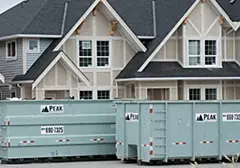
Drywall is one of the most common waste materials generated during renovation, demolition, and construction projects across British Columbia. While many people assume drywall can be disposed of like other construction debris, the reality is often more complicated.
Across BC, drywall disposal is frequently subject to recycling requirements, material-separation rules, processing fees, and facility-specific acceptance criteria. Depending on the project, disposal costs may be influenced by contamination levels, recycling programs, and recovery requirements that do not apply to many other construction materials.
Understanding these factors before demolition begins can help homeowners, contractors, and property managers avoid rejected loads, unexpected charges, and unnecessary project delays.
Here is the Quick Answer:
Drywall disposal in BC often involves more than simply loading waste into a bin. Recycling programs, eco-fees, contamination controls, and material-separation requirements can all affect how drywall is handled. Keeping drywall separate from other construction debris helps improve recycling efficiency, reduce disposal complications, and support cleaner recovery outcomes.
Why Drywall Is Often Handled Separately
Unlike many construction materials, drywall contains gypsum, a material that can often be recovered and reused through recycling programs. Because of this, many disposal facilities encourage or require drywall to be separated from mixed construction waste.
When drywall remains relatively clean, it may be processed through recycling or recovery programs rather than being handled as mixed demolition debris. This helps support material recovery while reducing pressure on landfill capacity.
Projects pursuing sustainability objectives often integrate drywall recycling into broader LEED waste diversion and reporting strategies.
Once drywall becomes mixed with garbage, insulation, wood waste, plastics, concrete, or other demolition materials, processing becomes more difficult and recycling opportunities may be reduced.
For this reason, drywall is frequently managed as a dedicated waste stream rather than as part of general construction debris.

Why Drywall Recycling Programs Exist
Construction and demolition projects generate substantial amounts of drywall every year. Recycling programs help recover gypsum and reduce the amount of reusable material entering disposal facilities unnecessarily.
Depending on the recovery process and receiving facility, recycled gypsum may be used in manufacturing, industrial applications, or other material-recovery programs.
These systems work most effectively when drywall remains clean throughout collection, transportation, and processing. The cleaner the material stream, the easier it is to recycle and recover valuable materials efficiently.
This is why many contractors choose to separate drywall during demolition rather than attempting to sort mixed waste later.
What are drywall eco-fees?
Many property owners first encounter drywall eco-fees during renovation or demolition projects and are surprised to learn that drywall disposal may be priced differently from other construction materials.
Eco-fees are generally intended to help support recycling, transportation, processing, recovery programs, and facility operations associated with gypsum-based materials.
The exact fee structure varies depending on:
- disposal facility
- region
- material condition
- contamination levels
- recycling requirements
Because drywall recycling requires dedicated handling and processing infrastructure, disposal costs may differ from those associated with wood waste, concrete, or mixed construction debris.
Understanding potential eco-fees before a project begins can help improve budgeting accuracy and reduce unexpected disposal costs.

Why Mixed Drywall Loads Often Cost More
Drywall recycling depends heavily on material quality.
When drywall is mixed with wood waste, plastics, insulation, garbage, concrete, or other demolition debris, additional sorting may be required before processing can occur. In some situations, contamination may prevent recycling altogether.
Mixed loads can create:
- additional handling requirements
- reduced recycling efficiency
- contamination concerns
- processing delays
- higher disposal costs
Keeping drywall separate from the beginning of the project is often one of the simplest ways to improve disposal efficiency and support cleaner recycling outcomes.
What affects drywall disposal costs?
Several factors can influence drywall disposal costs beyond the amount of material alone.
Common considerations include:
- recycling or eco-fees
- contamination levels
- material separation quality
- hauling requirements
- project volume
- disposal facility policies
Two projects generating similar quantities of drywall may have very different disposal costs depending on how the material is prepared, separated, and delivered.
This is one reason organized waste planning often improves both efficiency and cost predictability throughout renovation and demolition projects.
Why Dedicated Drywall Bins Are Often Recommended
Dedicated drywall bins help maintain cleaner material separation throughout active construction and demolition work.
When drywall is collected separately, contractors can often manage waste streams more effectively while reducing contamination risks and simplifying disposal coordination.
Dedicated drywall collection may also help:
- improve recycling consistency
- Reduce overall disposal costs
- reduce sorting requirements
- support cleaner recovery streams
- improve site organization
- reduce avoidable disposal complications
For projects generating significant amounts of drywall, separate collection is often more efficient than attempting to sort mixed debris later.
A Brief Note About Asbestos
While this article focuses primarily on drywall recycling and disposal, asbestos remains an important consideration for some projects involving older buildings.
In certain situations, asbestos-containing materials may be present in joint compounds, texture coatings, drywall mud products, or other materials associated with wall assemblies. When asbestos concerns exist, additional testing, documentation, or disposal requirements may apply before materials can be accepted by some facilities.
Because requirements vary depending on project conditions and building age, asbestos-related questions are often addressed before demolition begins rather than after waste has already been loaded for disposal.
For a more detailed explanation of testing requirements and compliance obligations, see our guide to BC drywall disposal and asbestos rules.
Drywall disposal also affects project efficiency
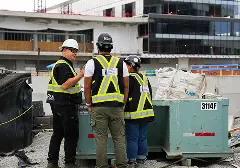
Drywall debris accumulates quickly during demolition and renovation work. This is particularly common on larger renovation waste removal projects where demolition phases generate substantial volumes of wallboard and mixed interior debris.
Broken wallboard, dust, insulation fragments, fasteners, and mixed debris can create cluttered work areas if disposal is not coordinated properly.
Organized drywall removal helps maintain cleaner work zones, safer site conditions, improved material separation, and more predictable hauling schedules throughout active project phases.
For larger renovation and demolition projects, disposal planning often becomes an important part of maintaining workflow efficiency from start to finish.
Best Practices for Drywall Disposal in BC
Drywall disposal projects are generally easier to manage when requirements are addressed before demolition begins.
Some of the most effective practices include:
- Separate drywall from mixed construction debris
- Confirm disposal requirements with receiving facilities
- Keep recyclable drywall as clean as possible
- Verify asbestos-related requirements when older materials are involved
- Coordinate hauling before large demolition phases begin
- Maintain organized documentation when required
These practices help reduce avoidable disposal delays while improving recycling and disposal efficiency.
Learn More: Surrey Bin Permits & Noise Rules

How Peak Disposal Supports Drywall Disposal Projects
Drywall disposal often requires additional planning compared to standard construction waste removal. Recycling requirements, material separation, contamination controls, and facility-specific policies can all affect how projects are managed.
Peak Disposal supports drywall disposal projects across the lower mainland and Fraser Valley with coordinated hauling, practical loading guidance, dedicated disposal bins, and organized waste-management solutions for renovation, demolition, and construction work.
This includes:
- drywall disposal coordination
- dedicated drywall bins
- scheduled hauling support
- practical loading guidance
- support for cleaner material separation
Proper planning helps make drywall disposal more efficient while reducing avoidable disruptions throughout active projects.
Need Help Managing Drywall Disposal?
Drywall disposal projects often involve additional requirements that are not immediately obvious at the start of a renovation or demolition project. Understanding recycling programs, eco-fees, material-separation requirements, and potential asbestos considerations helps reduce avoidable delays and disposal complications.
Peak Disposal supports drywall disposal projects across the lower mainland and Fraser Valley with coordinated hauling, practical guidance, and disposal solutions designed for active construction and demolition workflows.