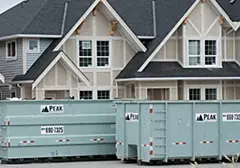
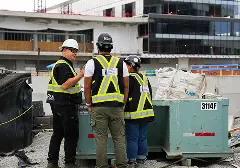
Managing construction and commercial waste in Metro Vancouver involves more than hauling debris off site. For contractors, transfer stations play a central role in how waste is processed, sorted, recycled, and ultimately diverted from landfill.
Whether a project involves demolition, tenant improvements, commercial construction, or ongoing site operations, understanding how transfer stations function helps improve hauling efficiency, reduce delays, and support more organized waste management practices.
For projects relying on commercial garbage service or large-scale disposal coordination, transfer station logistics can directly affect scheduling, turnaround times, contamination risk, and overall site performance.
Here is the Quick Answer:
Transfer stations are critical to commercial waste handling across Metro Vancouver. They receive, process, and redirect construction and demolition materials through recycling, recovery, and disposal streams. Contractors who understand how transfer station operations affect hauling schedules, waste separation, and contamination risks are better positioned to maintain efficient site operations.
What Transfer Stations Actually Do
Transfer stations act as centralized receiving and processing facilities for construction, demolition, and commercial waste.
Rather than transporting all waste directly to final disposal locations, hauling vehicles bring materials to transfer stations where waste is:
- Weighed and documented
- Inspected for contamination
- Sorted into processing streams
- Redirected for recycling, recovery, or disposal
This system improves transportation efficiency and allows recyclable materials to be separated before final processing.
For contractors, transfer stations are not simply dump locations. They are processing hubs that influence how quickly waste can move through the disposal chain.

Why Transfer Stations Matter for Commercial Projects
On commercial and construction projects, waste removal is closely tied to site productivity. Delays at transfer stations can affect:
- Bin turnaround times
- Pickup scheduling
- Site cleanliness and safety
- Material separation performance
Projects generating large volumes of debris often depend on continuous hauling cycles to keep waste from accumulating on site.
Because of this, proximity to transfer stations and facility processing efficiency can directly influence how smoothly commercial garbage service performs during active construction phases.
For larger projects, these logistical factors become increasingly important as waste volumes grow.

How Waste Separation Affects Transfer Station Processing
Transfer stations process waste more efficiently when materials arrive in organized streams rather than heavily contaminated mixed loads.
Construction materials commonly handled through separate streams include:
- Concrete
- Wood
- Metal
- Cardboard
- Drywall
When these materials are separated at the job site, processing becomes faster and diversion outcomes generally improve. Mixed debris, by contrast, often requires additional sorting and may reduce the amount of material eligible for recycling or recovery.
For contractors, source separation is not only a sustainability strategy. It also improves operational efficiency and reduces complications during disposal.
Understanding Contamination Risks
Contamination is one of the most common operational problems affecting transfer station processing.
Loads may become problematic when they include:
- Food waste mixed with construction debris
- Liquids or hazardous materials
- Excessively mixed or unidentified waste streams
- Materials restricted under disposal bans
Contaminated loads may require additional handling, incur higher disposal costs, or in some cases be rejected entirely.
These issues often originate at the job site rather than at the facility itself. Maintaining cleaner waste streams upstream helps reduce delays and improves overall hauling efficiency.
How Transfer Stations Affect Bin Swaps and Scheduling
Transfer station traffic and processing capacity can directly influence hauling schedules, especially during busy construction periods.
When facilities experience high inbound volume:
- Hauling turnaround times may increase
- Bin swaps may take longer to complete
- Pickup scheduling can become less predictable
This becomes particularly important on projects where continuous debris removal is necessary to maintain workflow.
Contractors coordinating multiple construction bins or phased demolition activities often benefit from planning hauling schedules proactively rather than reactively.
Learn More: Why Metro Vancouver Ships Garbage to the US
Commercial Garbage Service vs. Standard Waste Removal
For contractors, commercial garbage service involves a much broader level of coordination than standard residential waste removal.
This often includes:
- Ongoing hauling schedules
- Multiple bins across active sites
- Material-specific waste streams
- Diversion tracking and reporting
- Coordination with receiving facilities
For commercial contractors, waste management becomes part of broader operational planning rather than an isolated cleanup function.
Because of this, understanding how transfer station systems operate can help improve both efficiency and project predictability.
How Metro Vancouver Disposal Bans Influence Projects
Metro Vancouver disposal bans affect how certain recyclable materials are handled at transfer stations and disposal facilities.
Materials commonly restricted from standard disposal streams include:
- Clean wood
- Cardboard
- Metal
- Drywall
- Yard waste
When these materials are improperly mixed into general waste loads, diversion performance may decline and additional handling requirements may apply.
For contractors, understanding disposal ban requirements early helps prevent avoidable complications later in the project.
Best Practices for Contractors Using Transfer Stations
Projects that maintain efficient waste handling typically focus on organization and consistency throughout construction phases.
Key practices include:
- Use only recycling facilities. Some transfer stations do not have a process for recycling the waste they recieve.
- Separate recyclable materials at the source whenever possible
- Coordinate hauling schedules before bins reach capacity
- Avoid contamination from restricted or mixed materials
- Use dedicated bins for major waste streams
- Maintain communication between crews regarding separation procedures
These steps help reduce delays, improve diversion outcomes, and support more reliable commercial garbage service performance.
Learn More: Surrey Construction Waste Management And Fast Swaps

How Peak Disposal Supports Commercial Waste Operations
Commercial waste handling requires coordination between job sites, hauling logistics, and transfer station operations. Peak Disposal supports contractors across Metro Vancouver by helping structure waste removal systems around project workflows and operational requirements.
This includes coordinating construction bins, supporting organized waste separation, and aligning hauling schedules with active construction timelines.
For projects requiring higher diversion performance or structured reporting, waste handling can also be integrated into broader sustainability and compliance objectives.
Need Reliable Commercial Garbage Service in Metro Vancouver?
Efficient waste handling depends on more than simply removing debris from the site. Coordinated hauling, organized material separation, and reliable recycling facility access all contribute to smoother project operations.
Peak Disposal supports contractors and commercial project teams across Metro Vancouver with structured commercial garbage service designed around active construction and demolition workflows.