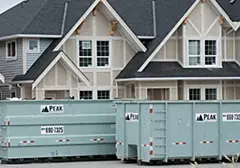
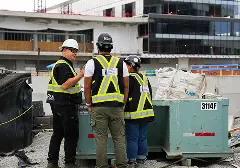
Roof replacement projects generate debris quickly, especially during tear-offs involving asphalt shingles, underlayment, flashing, plywood, and other dense roofing materials. Without organized waste removal, debris can accumulate rapidly around active work areas and create safety, loading, and hauling complications throughout the project.
For contractors and property owners across British Columbia, using the right dumpster rental for roofing projects helps simplify debris management during active tear-offs and roof replacement work. Choosing the correct roofing bin and understanding how shingles should be loaded can help reduce hauling delays, avoid overweight issues, and maintain safer job-site conditions from start to finish.
Because asphalt shingles become extremely heavy once removed from the roof, roofing disposal projects often require more planning than many homeowners initially expect.
Here is the Quick Answer:
Roofing dumpster rentals are designed to handle dense roofing debris such as asphalt shingles, underlayment, flashing, and tear-off materials. In BC, proper loading practices, weight management, and coordinated hauling help reduce safety risks, avoid overweight problems, and improve project efficiency during active roofing work.
Why Roofing Debris Requires Different Disposal Planning
Roofing waste behaves very differently than many other construction materials. Asphalt shingles may not appear especially bulky during loading, yet they become extremely heavy very quickly once they begin accumulating inside a dumpster.
This is one of the most common reasons roofing projects encounter hauling complications. A container that appears only partially full may already be approaching transportation weight limits, particularly during large residential tear-offs or commercial roofing replacements.
Roofing debris also accumulates rapidly during active demolition phases. Crews removing old shingles can generate several tons of material within only a short period of time, especially when multiple roofing layers, deteriorated underlayment, or moisture-heavy debris are involved.
Because of this, roofing dumpster rentals are typically coordinated more carefully than standard renovation cleanup bins. Placement planning, hauling schedules, loading access, and swap coordination all become important parts of maintaining efficient roofing operations throughout the project.

What usually goes into a roofing dumpster?
Roofing dumpsters are primarily intended for asphalt shingles and other roofing-related demolition debris generated during replacement projects. Depending on the scope of work, this may include underlayment, flashing, roof decking, nails, plywood, cedar shingles, and limited exterior renovation debris connected to the roofing system.
Keeping roofing debris separated from unrelated garbage or hazardous waste generally improves hauling efficiency and helps reduce contamination issues during disposal processing.
Projects involving both roofing work and broader renovations often benefit from separating roofing debris into dedicated dumpsters rather than combining everything into mixed construction waste.
Why Asphalt Shingles Become So Heavy
Many homeowners underestimate how much roofing debris actually weighs once demolition begins. Even an average residential roof can generate several tons of material during a full tear-off.
Older roofs are often heavier because they may contain multiple shingle layers, compacted debris, moisture buildup, or deteriorated roofing materials that have absorbed water over time. Rainy weather across Metro Vancouver and other parts of BC can increase debris weight even further during active roofing work.
This is one reason smaller roofing dumpsters are frequently recommended for asphalt shingles. The goal is not simply maximizing container size. It is maintaining safe hauling conditions while reducing the risk of overloaded bins that cannot be transported efficiently.
In many cases, coordinated dumpster swaps are more effective than attempting to fit an entire roofing project into a single overloaded container.

Why Dumpster Placement Matters on Roofing Projects
Roofing disposal works most efficiently when dumpsters are positioned close to active loading areas. Poor placement can slow down roofing crews, increase labor strain, and create unnecessary cleanup hazards around the property.
Placement planning becomes especially important in dense Vancouver-area neighborhoods where driveway space, lane access, overhead clearance, pedestrian traffic, and street-placement restrictions may all affect where a dumpster can safely be positioned.
Steep driveways and narrow access routes can also complicate hauling coordination, particularly on residential properties where space is already limited during active construction work.
Coordinating placement before roofing begins usually helps prevent delays once crews are actively removing shingles and loading debris throughout the day.
Why Overloaded Roofing Dumpsters Create Problems
Roofing debris becomes compact and dense quickly once loading begins. Continuing to fill a dumpster after safe hauling limits are reached can create operational complications that affect both transportation safety and project scheduling.
Overloaded containers may require material removal before transport can proceed safely. Unevenly distributed shingle loads can also create hauling instability, especially when excessive weight accumulates in one section of the dumpster.
For active roofing crews, these delays can disrupt demolition timelines and create unnecessary congestion around the job site while debris continues accumulating.
This is why roofing disposal projects are generally managed around controlled loading practices and scheduled hauling coordination rather than maximum visual capacity alone.

Common Mistakes During Roofing Debris Disposal
Many roofing disposal problems happen gradually during active tear-off work rather than from one major mistake.
Common issues include:
- selecting oversized bins for dense shingle debris
- overloading containers beyond safe hauling weight
- mixing roofing waste with unrelated garbage
- placing dumpsters too far from active loading zones
- ignoring driveway or access limitations
- delaying swap coordination until bins are already overloaded
These problems can slow roofing crews, complicate hauling schedules, and create avoidable cleanup disruptions throughout the project.
Roofing Dumpster Coordination Also Affects Site Safety
Roofing debris creates unique safety challenges because material is continuously removed from elevated work areas throughout demolition and replacement phases.
Loose shingles, exposed nails, flashing scraps, plywood fragments, and overflowing debris piles can quickly create hazardous conditions if waste removal is not coordinated properly. Overloaded or poorly positioned dumpsters may also reduce safe movement around the property and interfere with ongoing roofing operations.
Organized roofing dumpster coordination helps maintain cleaner loading areas, reduce debris accumulation, improve property access, and support safer workflow conditions throughout active roofing phases.
For contractors managing multiple roofing crews or larger projects, organized hauling coordination often becomes an important part of maintaining smoother overall job-site operations.
Best Practices for Roofing Dumpster Rentals in BC
Roofing disposal projects are usually easier to manage when hauling coordination is planned before demolition begins.
Some of the most effective roofing dumpster practices include:
- Use smaller dumpsters for dense asphalt shingles
- Coordinate placement close to active loading zones
- Avoid overloading bins above safe hauling levels
- Separate roofing debris from mixed garbage whenever possible
- Schedule swap coordination early for larger projects
- Monitor debris weight carefully during wet weather conditions
These steps help improve hauling efficiency while reducing avoidable project interruptions.
How Peak Disposal Supports Roofing Disposal Projects
Roof replacement work requires practical hauling coordination, especially during active tear-off phases where debris accumulates rapidly throughout the day.
Peak Disposal provides roofing dumpster rental support for contractors, builders, renovation teams, and property owners managing residential and commercial roofing projects across BC. This includes coordinated hauling support, practical placement guidance, scheduled pickups, and roofing dumpsters designed specifically for asphalt shingles and dense roofing debris.
Matching the correct dumpster size to the project conditions helps maintain safer loading areas, cleaner properties, and more predictable hauling coordination throughout active roofing work.

Need a Roofing Dumpster Rental?
Roof replacement projects generate dense debris quickly, and overloaded containers can create avoidable hauling delays and safety concerns during active work.
Peak Disposal supports roofing projects across BC with coordinated roofing dumpster rentals, practical placement guidance, and hauling support designed specifically for asphalt shingle and roofing debris disposal.