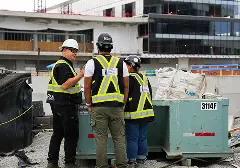
Construction waste diversion reporting has become an increasingly important part of commercial and large-scale construction projects in Vancouver. As sustainability standards, municipal expectations, and LEED-oriented project requirements continue to expand, contractors are expected to demonstrate not only how waste is removed from site, but also how it is processed and diverted from landfill.
For many projects, diversion reporting is now tied directly to compliance objectives, sustainability targets, and project documentation requirements. This means waste management must be organized and coordinated from the beginning of the project.
Understanding how construction waste diversion reporting works helps contractors maintain cleaner waste streams, improve operational efficiency, and avoid reporting gaps that can complicate project closeout.
Here is the Quick Answer:
Construction waste diversion reporting tracks how much project waste is diverted away from landfill through recycling, recovery, and organized material separation. In Vancouver, contractors often use diversion reporting to support LEED objectives, sustainability requirements, and internal project tracking. Accurate documentation, clean material separation, and consistent hauling coordination are central to effective reporting.
What Construction Waste Diversion Reporting Actually Involves
Diversion reporting is the process of documenting how construction and demolition waste is handled throughout a project. Rather than focusing only on disposal volume, reporting tracks where materials go, how they are processed, and how much waste is successfully diverted from landfill.
This typically includes:
- Weight tracking for outgoing materials
- Categorization by waste stream
- Diversion percentage calculations
- Processing documentation from receiving facilities
For contractors, diversion reporting is not simply administrative paperwork. It is a system that connects site operations, hauling logistics, recycling processes, and sustainability objectives into a measurable framework.
Without consistent reporting procedures, even projects with strong recycling performance can struggle to validate diversion outcomes.

Why Diversion Reporting Matters on Vancouver Projects
In Vancouver’s construction environment, diversion reporting is increasingly tied to broader project expectations around sustainability and environmental performance.
Commercial developments, institutional projects, and LEED-oriented builds often require contractors to demonstrate:
- Organized waste separation practices
- Measurable landfill diversion performance
- Ongoing tracking throughout construction phases
- Supporting documentation for audits or project review
At the same time, diversion reporting also supports operational visibility. Contractors can identify contamination issues, inefficient waste handling patterns, or excessive mixed loads before they become larger project problems.
As projects grow in size and complexity, this level of tracking becomes increasingly valuable.
How Diversion Percentages Are Calculated
Diversion percentages are generally based on the proportion of waste redirected away from landfill compared to the total amount of waste generated by the project.
In simplified terms, the calculation compares:
- Total waste generated
against - Total waste successfully recycled, reused, or recovered
The accuracy of these calculations depends heavily on reliable weight records and consistent waste stream tracking.
If materials are mixed together or improperly categorized, diversion percentages can become less reliable. Contaminated loads may reduce the amount of material that can be processed through diversion or recycling stream.
Because of this, accurate reporting starts with how materials are handled at the job site rather than at the reporting stage itself.
The Importance of Source-Separated Waste Streams
One of the most effective ways to improve diversion reporting accuracy is through source separation.
Instead of placing all construction debris into a single mixed bin, projects often separate major recyclable materials into dedicated streams such as:
- Wood
- Concrete
- Metal
- Cardboard
- Drywall
This approach improves processing efficiency and makes diversion reporting more defensible from a documentation standpoint.
Source-separated waste streams also reduce contamination risk, which is one of the most common reasons diversion performance declines during a project.
While mixed-load processing can still support diversion efforts, projects pursuing higher diversion targets generally benefit from cleaner separation practices at the source.
What Documentation Contractors Typically Need
Diversion reporting relies on organized documentation throughout the life of the project.
Common reporting records include:
- Scale tickets from disposal and recycling facilities
- Hauling summaries
- Diversion rate calculations
- Waste stream breakdowns
- Processing confirmation from receiving facilities
- End Use Letters
For LEED-oriented projects or larger commercial developments, this information may need to be reviewed by consultants, ownership groups, or sustainability coordinators before project completion.
Incomplete or inconsistent reporting can create delays during closeout, even if waste diversion performance itself was otherwise strong.
Because of this, documentation should be treated as an ongoing process rather than something assembled at the end of the project.

Common Reporting Challenges on Construction Sites
Most diversion reporting issues originate from operational inconsistencies rather than reporting software or paperwork problems.
Typical challenges include:
- Mixed waste streams that reduce diversion accuracy
- Missing or incomplete weight records
- Inconsistent hauling schedules across project phases
- Contamination from food waste or unrelated debris
- Lack of communication between trades regarding separation procedures
- Use of transfer stations instead of recycling facilities.
These problems tend to compound over time if waste handling practices are not standardized early in the project.
Projects that establish clear separation procedures and reporting expectations upfront generally experience far fewer issues later.
How Diversion Reporting Supports Overall Site Efficiency
Although diversion reporting is often viewed primarily as a sustainability requirement, it also improves operational control on active job sites.
When waste streams are organized and tracked consistently:
- Bin usage becomes easier to manage
- Hauling schedules can be coordinated more efficiently
- Overflow and contamination risks are reduced
- Material handling across trades becomes more predictable
This creates a cleaner and more manageable site environment while supporting broader project management objectives.
In many cases, the operational advantages of structured waste tracking extend well beyond reporting alone.
Best Practices for Construction Waste Diversion Reporting
Projects that maintain strong diversion reporting performance typically focus on organization and consistency throughout the construction lifecycle.
Key practices include:
- Establish waste separation procedures before work begins
- Use dedicated bins for major recyclable materials
- Maintain ongoing weight tracking and hauling records
- Coordinate reporting regularly instead of waiting until project closeout
- Ensure all trades understand waste handling expectations
These steps help improve diversion accuracy while reducing avoidable reporting gaps.

How Peak Disposal Supports Diversion Reporting
Construction waste diversion reporting requires coordination between site operations, hauling logistics, and receiving facilities. Peak Disposal supports Vancouver contractors by helping structure waste handling systems that align with diversion and reporting objectives.
This includes coordinating source-separated material streams, supporting weight tracking processes, and helping projects maintain cleaner diversion documentation throughout construction phases.
By integrating waste management into overall site coordination, reporting becomes more consistent and easier to manage as projects evolve.
Need Help Managing Diversion Reporting in Vancouver?
As construction projects become more sustainability-focused, organized waste tracking and diversion reporting are becoming increasingly important operational requirements.
Peak Disposal supports contractors across Vancouver with structured waste handling, coordinated hauling, and diversion-focused planning designed to support commercial construction workflows and reporting objectives.