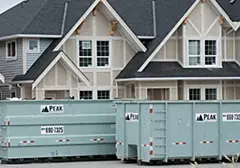
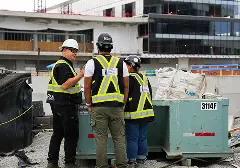
Construction waste management has become a significant part of sustainable building practices across British Columbia. For projects pursuing LEED or LEED equivalent certification, waste handling is no longer limited to basic hauling and disposal. It now involves structured diversion planning, material separation, documentation, and ongoing coordination throughout the construction process.
Under LEED v4 and v4.1 frameworks, construction waste diversion contributes to Material and Resources credit pathways related to construction waste management. The goal is not simply to remove debris from site, but to reduce the amount of material sent to landfill through organized recovery and recycling strategies.
For contractors and project teams, understanding how LEED waste management points are earned helps improve planning, avoid contamination issues, and support broader sustainability objectives without disrupting workflow.
Here is the Quick Answer:
LEED waste management points are earned by diverting construction waste away from landfill through organized recycling and material separation programs. In BC, this typically involves tracking waste streams, coordinating with approved facilities, and maintaining documentation throughout the project. Proper planning and clean material separation are key to maximizing diversion performance and supporting MR credit requirements.
What LEED Waste Management Actually Measures
LEED construction waste credits are designed to evaluate how effectively a project reduces landfill dependency during construction and demolition activities.
Rather than focusing only on the total amount of waste generated, the system looks at:
- How materials are separated and managed
- How much waste is diverted from landfill
- Whether diversion efforts are properly documented
- The consistency of waste handling practices across the project
This means that successful waste management under LEED is operational rather than symbolic. Projects are expected to demonstrate organized handling processes supported by measurable reporting.
In practical terms, this requires waste management to be integrated into project coordination from the beginning rather than treated as a final cleanup step.

Understanding LEED and Diversion Thresholds
Within LEED frameworks, construction waste management credits are tied to diversion performance thresholds. In general industry practice, projects commonly target diversion rates associated with one-point or two-point achievement levels.
Typical thresholds include:
- Approximately 50% diversion for initial credit achievement
- Approximately 75% diversion for higher-level credit performance
These percentages are based on how much material is successfully diverted from landfill through recycling, recovery, or reuse programs.
For contractors, the challenge is not usually generating recyclable material. Most construction projects already produce significant amounts of recoverable debris. The difficulty comes from maintaining clean waste streams and preventing contamination that reduces diversion eligibility.
Because of this, waste separation at the job site becomes one of the most important operational factors affecting LEED waste management points.
Why Material Separation Matters
Mixed construction waste is far more difficult to process efficiently than source-separated material. When recyclable materials are contaminated with food waste, liquids, or unrelated debris, diversion rates can drop significantly.
On LEED-oriented projects, material separation is often organized by waste stream categories such as:
- Wood
- Metal
- Concrete
- Cardboard
- Drywall
Separating materials at the source improves recovery rates and makes reporting more reliable. It also reduces the likelihood that otherwise recyclable material will be redirected to landfill due to contamination.
In many cases, the success of a diversion program depends less on hauling volume and more on how consistently materials are sorted throughout the project lifecycle.

The Role of Documentation and Reporting
Diversion performance alone is not enough to support LEED credit pathways. Documentation plays a central role in validating waste management efforts.
Construction teams typically need:
- Weight tracking records
- Diversion summaries
- Waste stream reporting
- Facility documentation confirming processing methods
This information is used to demonstrate that materials were handled through legitimate recycling or recovery channels rather than disposed of as mixed waste.
For larger commercial projects, reporting is often reviewed not only by contractors but also by consultants, ownership groups, and sustainability coordinators. Inconsistent reporting can create complications even when diversion efforts on site were otherwise effective.
Because of this, organized tracking processes are just as important as physical waste removal.
Learn More: Construction Waste Diversion Reporting Guide
How Licensed MRF Facilities Support LEED Projects
Material Recovery Facilities (MRFs) play an important role in construction waste diversion. These facilities process and sort recyclable materials after collection, helping projects improve recovery outcomes.
For LEED-oriented construction projects, working with licensed recycling facilities provides an additional layer of credibility and traceability. This is particularly important when documentation must demonstrate how waste was processed and diverted.
However, even with advanced sorting facilities, heavily contaminated loads remain problematic. Source separation on site still provides the strongest foundation for achieving reliable diversion results.
MRF processing works best when paired with structured waste handling practices upstream at the project level.
Common Reasons Projects Miss Diversion Targets
Most projects that struggle with LEED waste management points do not fail because recyclable material is unavailable. Instead, operational breakdowns gradually reduce diversion performance over time.
Typical issues include:
- Using transfer stations that do not recycle materials
- Lack of a waste management plan
- Mixing recyclable and non-recyclable debris
- Failing to separate drywall or heavy materials properly
- Inconsistent crew communication regarding waste streams
- Insufficient bin allocation for different material types
- Delayed reporting or incomplete documentation
These problems often begin early in the project and become more difficult to correct once waste streams are already contaminated.
Projects that maintain consistent waste handling procedures from the outset are generally far more successful in meeting diversion goals.
How Waste Management Affects Broader Project Performance
Effective diversion planning supports more than sustainability targets alone. Organized waste management also improves overall site efficiency.
When materials are separated correctly and bins are coordinated effectively:
- Work areas remain cleaner and safer
- Pickup scheduling becomes more predictable
- Waste handling interruptions are reduced
- Reporting requirements become easier to manage
In large commercial environments, these operational benefits can significantly reduce friction across multiple trades and project phases.
This is why waste management planning is increasingly treated as part of broader construction coordination rather than an isolated disposal function.
Learn More: Managing PPE in Waste Streams
Best Practices for Maximizing LEED Waste Management Points
Projects pursuing strong diversion performance typically focus on consistency and planning rather than reactive cleanup strategies.
Key practices include:
- Establish material separation procedures before demolition or construction begins
- Use dedicated bins for major recyclable waste streams
- Coordinate hauling schedules to prevent overflow or contamination
- Maintain ongoing weight tracking and diversion reporting
- Use licenced recycling facilities only
- Ensure crews understand how materials should be separated on site
These steps help maintain cleaner waste streams and support more reliable diversion outcomes throughout the project.

How Peak Disposal Supports LEED-Oriented Projects
LEED-focused waste management requires more coordination than standard construction hauling. Peak Disposal works with contractors and project teams to support organized diversion strategies across commercial and construction projects in BC.
This includes coordinating source-separated material streams, supporting ongoing reporting requirements, and aligning hauling schedules with project workflows. For projects requiring diversion documentation, waste handling can be structured to support broader sustainability and compliance objectives.
By integrating waste management into overall site operations, diversion efforts become more consistent and easier to maintain throughout the construction lifecycle.
Need Support for LEED Waste Management in BC?
Projects pursuing LEED objectives benefit from waste management systems that are organized, measurable, and aligned with construction workflows from the beginning.
Peak Disposal supports contractors and commercial project teams across BC with structured waste handling, coordinated hauling, and diversion-focused planning designed to support LEED-oriented construction goals.