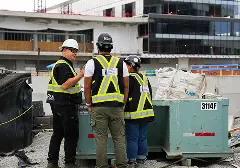
Planning a renovation in Port Coquitlam often involves more debris than expected. From demolition waste to packaging materials and leftover construction debris, managing waste efficiently becomes an important part of keeping your project on track.
Choosing the right bin is not just about size. The type of material, the phase of the renovation, and the available space on your property all influence which bin will work best. Understanding how bin rental in Port Coquitlam fits into your renovation plan helps avoid delays, reduce unnecessary costs, and keep your site organized.
Here is the Quick Answer:
Bin rental in Port Coquitlam works best when bin size and type are matched to the material and stage of your renovation. Smaller bins are often better for heavy materials, while larger bins suit lighter debris. Planning bin use in advance helps avoid overfilling, delays, and extra costs.
Why Bin Selection Matters for Renovations
Renovation projects rarely produce a single type of waste. Early stages such as demolition generate dense materials like drywall, wood, or concrete, while later stages may involve lighter packaging, offcuts, and general debris.
Using one bin for the entire project can lead to inefficiencies. A bin that is too small may need frequent swapping, while a bin that is too large for heavy materials can quickly exceed weight limits even if it appears only partially full.
Selecting the right bin based on expected waste helps ensure that debris can be removed consistently without disrupting the workflow.

Understanding Bin Sizes and Their Use
Bin sizes are typically measured in cubic yards, but volume alone does not determine the right choice. Weight and material type play an equally important role.
In general, smaller bins are better suited for dense materials, while larger bins are used for lighter, bulkier waste. For example, heavy debris such as concrete or roofing materials is often placed in smaller bins to stay within hauling limits, whereas larger bins are more appropriate for wood, drywall, or mixed construction debris.
Because different phases of a renovation produce different types of waste, it is often more effective to match bin size to the specific stage of the project rather than relying on a single bin throughout.
Matching Bins to Renovation Phases
One of the most practical ways to approach waste management is to align bin use with the stages of your renovation.
Early demolition typically generates heavier materials that require smaller bins and more frequent removal. As the project progresses into framing or finishing, the waste becomes lighter and more volumetric, making larger bins more efficient.
This phased approach allows waste to be managed more effectively and reduces the likelihood of overloading or underutilizing bins. It also makes scheduling pickups more predictable.

Space and Placement Considerations
Bin selection is closely tied to where the bin can be placed. In residential areas of Port Coquitlam, driveway space, access, and surrounding conditions all influence placement.
If a driveway is available and provides sufficient space, placing the bin on private property is usually the simplest option. However, space constraints, slope, or access limitations may require alternative placement, such as on the street or in a lane.
In these cases, additional considerations may apply, including permit requirements and positioning to ensure that traffic and pedestrian access are not affected.
Planning placement at the same time as bin selection helps prevent issues during delivery and pickup.
Learn More: Bin Rental Coquitlam: Navigating City Bylaws and Driveway Rules
Common Mistakes When Choosing a Bin
Many renovation delays related to waste management come from incorrect assumptions during bin selection.
Common issues include:
- Choosing a bin based only on volume without considering weight
- Using a single bin for multiple types of materials
- Underestimating how quickly waste will accumulate
- Overfilling bins beyond safe hauling limits
These problems often lead to additional costs, rescheduling, or temporary disruption on site.
How the Right Bin Improves Project Efficiency
Waste removal is an ongoing part of any renovation workflow. When the right bin is used, debris can be cleared consistently, allowing work to continue without interruption.
When bin selection is not aligned with the project, waste can accumulate, work areas can become congested, and materials may need to be moved multiple times. This creates inefficiencies that affect both time and cost.
By selecting the right bin and planning for how it will be used throughout the project, waste management becomes a supporting function rather than a source of delays.
Best Practices for Homeowners
To make bin rental in Port Coquitlam more effective, it helps to approach it as part of your overall renovation plan:
- Choose bin sizes based on material type, not just volume
- Adjust bin selection as your project moves through different phases
- Ensure there is enough space for safe placement and access
- Avoid mixing heavy and light materials in the same bin
- Schedule pickups before bins reach capacity
These steps help keep waste handling predictable and efficient.
How Peak Disposal Supports Port Coquitlam Renovations
Bin rental for renovations often requires more planning than expected, particularly when dealing with varying material types and limited space.
Peak Disposal works with homeowners to recommend bin sizes based on the specifics of each project. This includes considering the type of renovation, expected waste volume, and placement conditions.
By aligning bin selection with project needs, waste removal can be handled smoothly without unnecessary adjustments or delays.

Need Help Choosing the Right Bin in Port Coquitlam?
Selecting the right bin at the start of your renovation helps keep your project organized and on schedule.
Peak Disposal supports homeowners across Port Coquitlam with reliable bin rental service and practical guidance on choosing the right bin for each stage of a renovation. If you are unsure which option is best for your project, it is worth confirming before scheduling delivery.