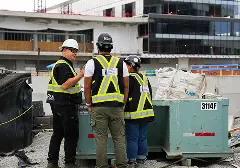
Managing construction waste in Surrey involves more than placing a bin on site. For active job sites, timing, hauling efficiency, and proximity to disposal facilities all influence how smoothly waste is handled.
Contractors working in Surrey often deal with high-volume debris, tight schedules, and multiple waste streams. In this environment, having the right setup for construction bins and ensuring they can be swapped quickly when full becomes critical to keeping work moving.
Understanding how dumpster rental in Surrey is affected by transfer station access and operational logistics helps reduce delays, control costs, and maintain site efficiency.
Here is the Quick Answer:
Dumpster rental in Surrey is most effective when construction bins are matched to material type and swapped quickly once full. Proximity to transfer stations can impact turnaround times. Planning for efficient hauling and bin rotation helps prevent delays and keeps projects on schedule.
Why Waste Handling Works Differently on Construction Sites
Construction waste is not generated at a steady pace. Demolition, framing, and finishing phases each produce different volumes and types of debris, often in short bursts.
Because of this, waste management needs to be responsive rather than static. Contractors rely on a system where construction bins are delivered, filled, and removed in sequence to match the pace of work.
If this system breaks down, whether due to delayed pickups or limited hauling availability, waste can quickly accumulate on site, affecting both productivity and safety.

The Role of Recycling Facilities in Surrey
Recycling Facilities are a key part of how waste is processed in the region. Rather than hauling materials long distances directly to final disposal sites, waste is typically taken to nearby facilities for sorting and processing.
For projects in Surrey, proximity to these facilities can influence:
- How quickly full bins can be emptied and returned
- The overall turnaround time for swaps
- Hauling efficiency and scheduling reliability
When recycling facilities are close and accessible, they can support faster turnaround times, depending on dispatch scheduling and demand. When they are further away or busier, delays are more likely, particularly during peak construction periods.
While contractors do not manage facility logistics directly, these factors affect how waste removal performs on site.
Why Fast Bin Swaps Matter
On active job sites, full bins are not just an inconvenience. They can slow down or halt work entirely. Once a bin reaches capacity, waste needs to be removed promptly to keep the site functional.
Fast bin swaps are essential because they:
- Maintain continuous workflow during high-output phases
- Prevent debris from accumulating in work areas
- Reduce the need for temporary storage or re-handling of materials
In practice, delays in swapping bins often lead to inefficiencies that extend beyond waste management. Crews may need to pause work, reorganize materials, or wait for space to continue.
Coordinating timely swaps ensures that waste removal keeps pace with construction activity.

Choosing the Right Construction Bins
Not all bins are suited for all materials. The type of waste being generated should guide bin selection, particularly on construction projects where material types vary.
Construction bins are typically selected based on:
- Material type (wood, concrete, mixed debris)
- Weight considerations for heavier materials
- Volume generated during specific project phases
Using the wrong bin size or type can lead to overweight loads, inefficient use of space, or additional hauling requirements. Matching bins to the expected waste stream helps keep the process efficient.
How Location Within Surrey Affects Service
Surrey covers a large geographic area with a mix of residential, commercial, and industrial zones. Travel distance, traffic patterns, and site accessibility can all influence how quickly bins can be delivered and swapped.
Projects located in areas with easier access to major routes may benefit from faster service, while sites in more constrained or high-traffic areas may require additional planning.
Because of this variation, scheduling and coordination play an important role in ensuring that bin service remains consistent throughout the project.

Common Challenges on Construction Sites
Most waste-related issues on construction sites are not caused by a lack of bins, but by timing and coordination gaps.
Typical challenges include:
- Bins reaching capacity faster than expected
- Delays in pickup during peak construction periods
- Mixing materials that require separate handling
- Limited space for additional bins during high-volume phases
These challenges often become more noticeable as a project progresses and waste output increases. Planning for flexibility helps reduce their impact.
How Waste Management Affects Project Efficiency
Waste removal is closely tied to overall site performance. When bins are managed effectively, debris is cleared consistently, and crews can work without interruption.
When waste handling falls behind, it creates friction across the project. Materials may need to be moved multiple times, access routes can become obstructed, and work areas may need to be cleared before tasks can continue.
Treating waste management as part of core project planning, not an afterthought, helps maintain efficiency from start to finish.
Best Practices for Contractors
To keep waste handling efficient on construction sites in Surrey, contractors should focus on a few key practices:
- Use construction bins suited to specific material types
- Plan for regular bin swaps during high-output phases
- Coordinate scheduling to align with project timelines
- Avoid mixing materials that require separate handling
- Ensure sufficient space for bin placement and access
These steps help maintain workflow and reduce the likelihood of delays.
How Peak Disposal Supports Surrey Construction Projects
Construction waste management in Surrey requires coordination, responsiveness, and an understanding of how local conditions affect service.
Peak Disposal works with contractors to provide construction bins that match the needs of each phase of a project. This includes coordinating delivery schedules, planning for timely swaps, and ensuring that bins are available when needed.
By aligning bin service with the pace of construction, waste removal becomes a seamless part of the workflow rather than a source of delays.

Need Reliable Dumpster Rental in Surrey?
For construction projects, having the right bin setup and reliable scheduling can make a significant difference in how smoothly work progresses.
Peak Disposal supports contractors across Surrey with dependable dumpster rental service and practical guidance on managing construction waste efficiently. If your project requires consistent bin rotation and timely hauling, planning ahead is key.