
LEED-oriented construction projects require organized waste tracking, material separation, and diversion-focused hauling. Peak Disposal provides Richmond LEED waste reporting support for contractors, developers, and commercial construction teams that need coordinated waste handling and structured reporting support.
LEED waste reporting is designed for construction and demolition projects that require measurable diversion tracking and organized waste documentation throughout active project phases.
LEED waste reporting exists to help projects track how construction debris is separated, hauled, processed, and diverted away from landfill. Unlike standard construction hauling alone, diversion-focused waste management requires ongoing coordination between site operations, hauling schedules, material separation practices, and documentation workflows.
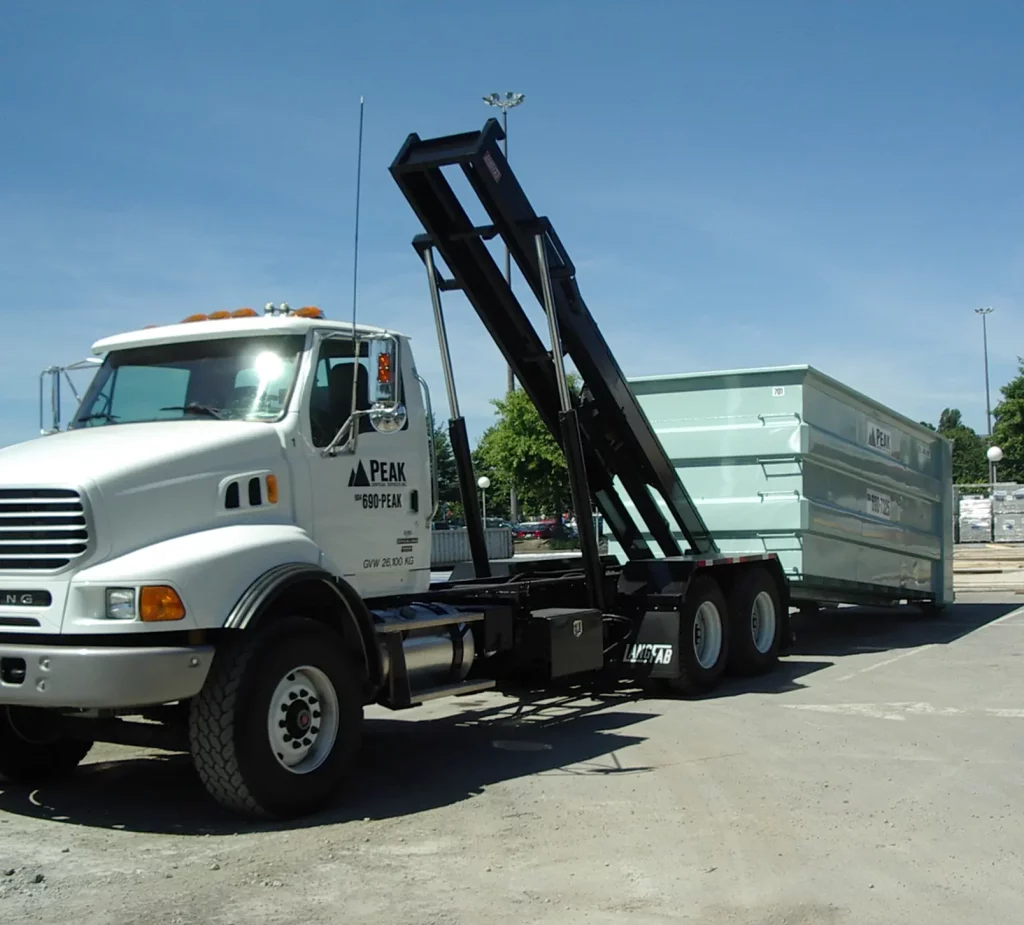
For construction projects in Richmond, reporting consistency is especially important because waste tracking often affects sustainability requirements, consultant reviews, project closeout documentation, and broader LEED-oriented objectives.
LEED waste reporting becomes especially important on projects where:
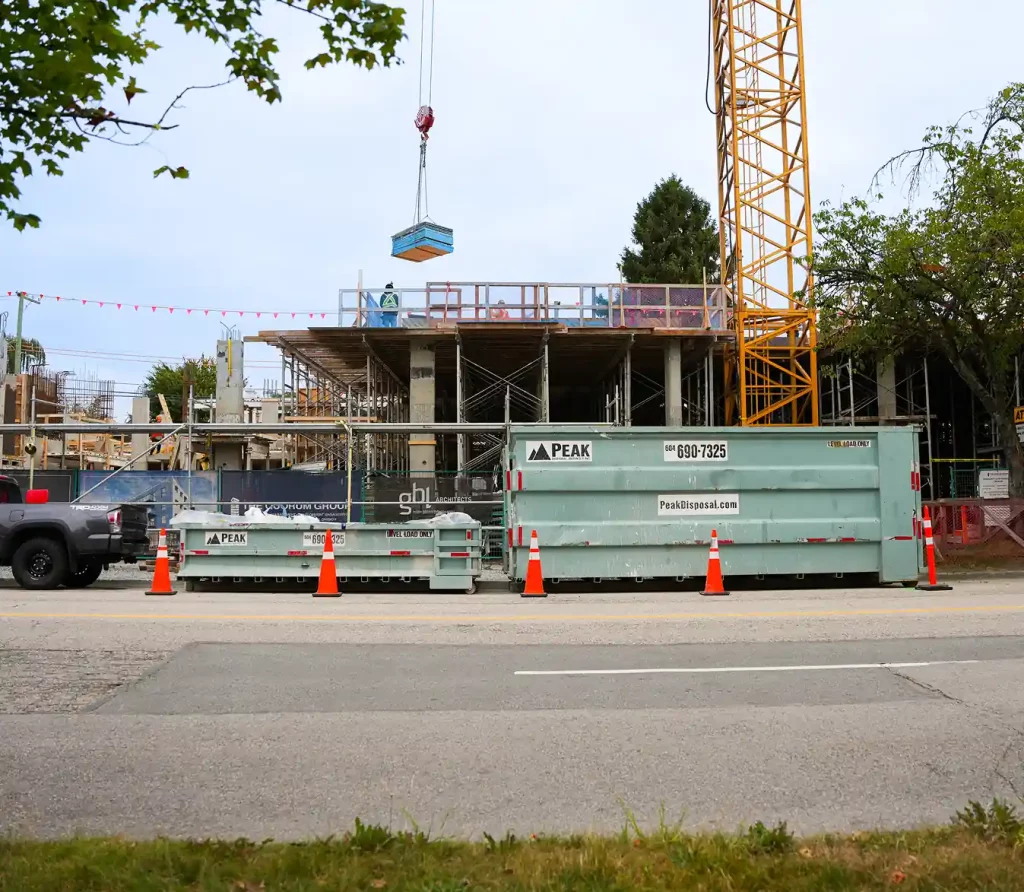
Different construction phases generate different waste streams, and proper separation plays a major role in supporting cleaner diversion outcomes and more reliable reporting.

Concrete, Masonry, Dense Recyclable Debris
Best for:
Heavy Material Separation
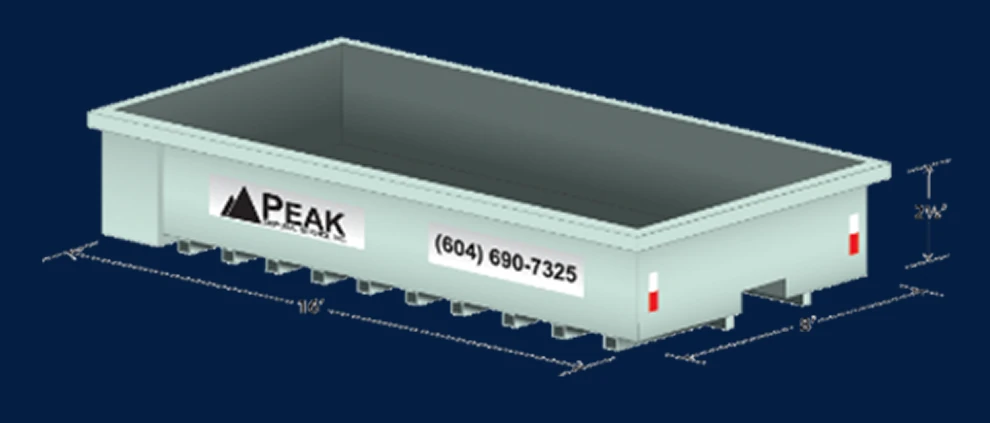
Concrete, Masonry, Dense Debris
Best for:
Heavy Material Separation
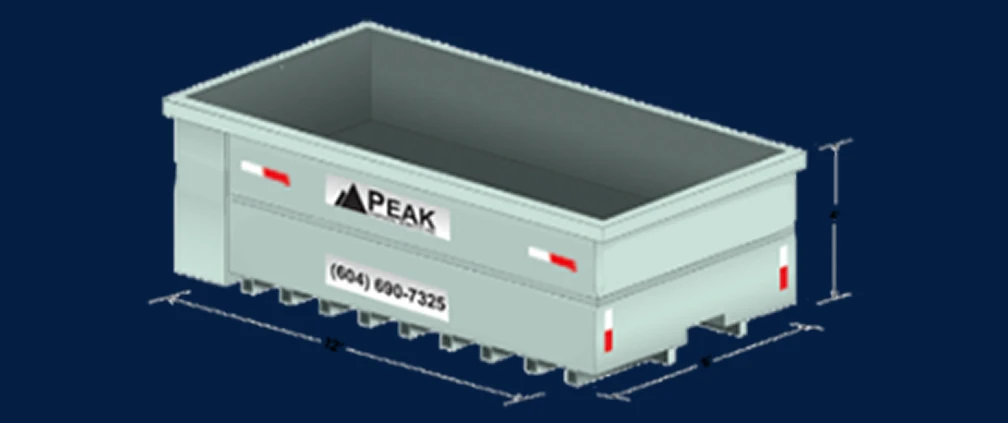
Drywall, Flooring, Interior Demolition
Best for:
Renovation & TI Projects
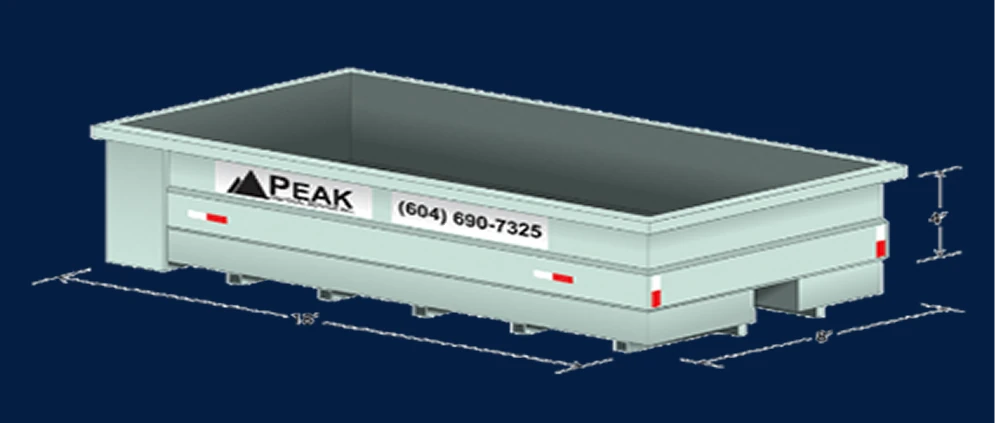
Mixed Construction Debris
Best for:
Active Construction Phases
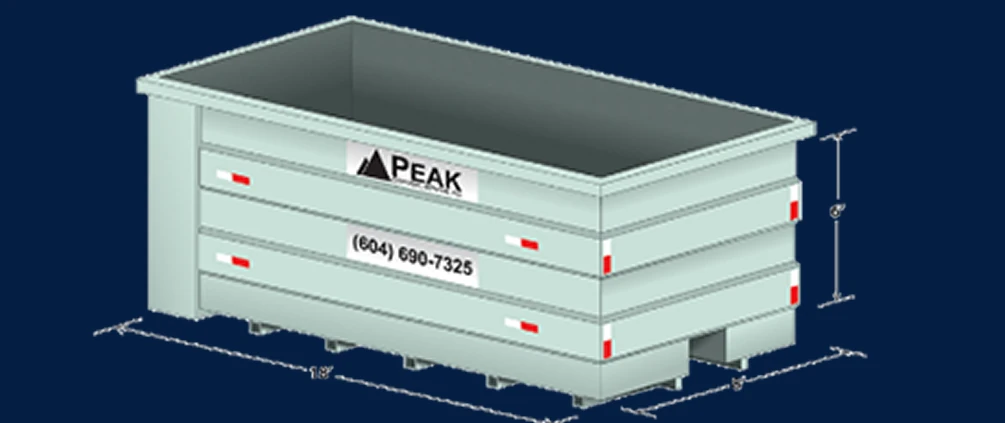
Large Demolition Waste
Best for:
Commercial Redevelopmen
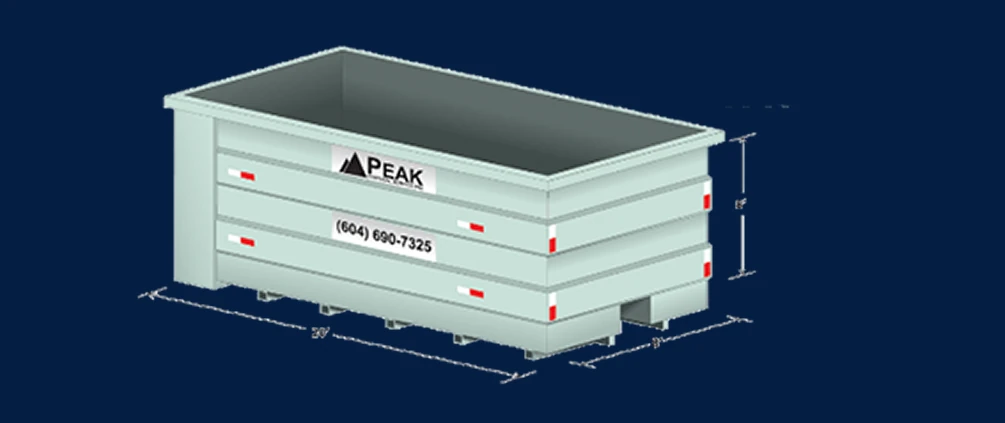
Bulky Recyclable Debris
Best for:
Multi-Phase Commercial Projects
Important: Dedicated bins for recyclable materials can help reduce contamination and improve diversion tracking reliability throughout the project lifecycle.
Diversion reporting issues often start on site long before project documentation is reviewed. Mixed loads, inconsistent separation practices, and overloaded bins can reduce diversion performance and complicate reporting later in the project.
Organizing waste streams early helps improve reporting consistency and supports cleaner diversion outcomes throughout active construction phases.
Dispatch can help coordinate:
LEED-oriented waste programs typically focus on separating recyclable and recoverable materials into cleaner waste streams that support diversion tracking and reporting accuracy.
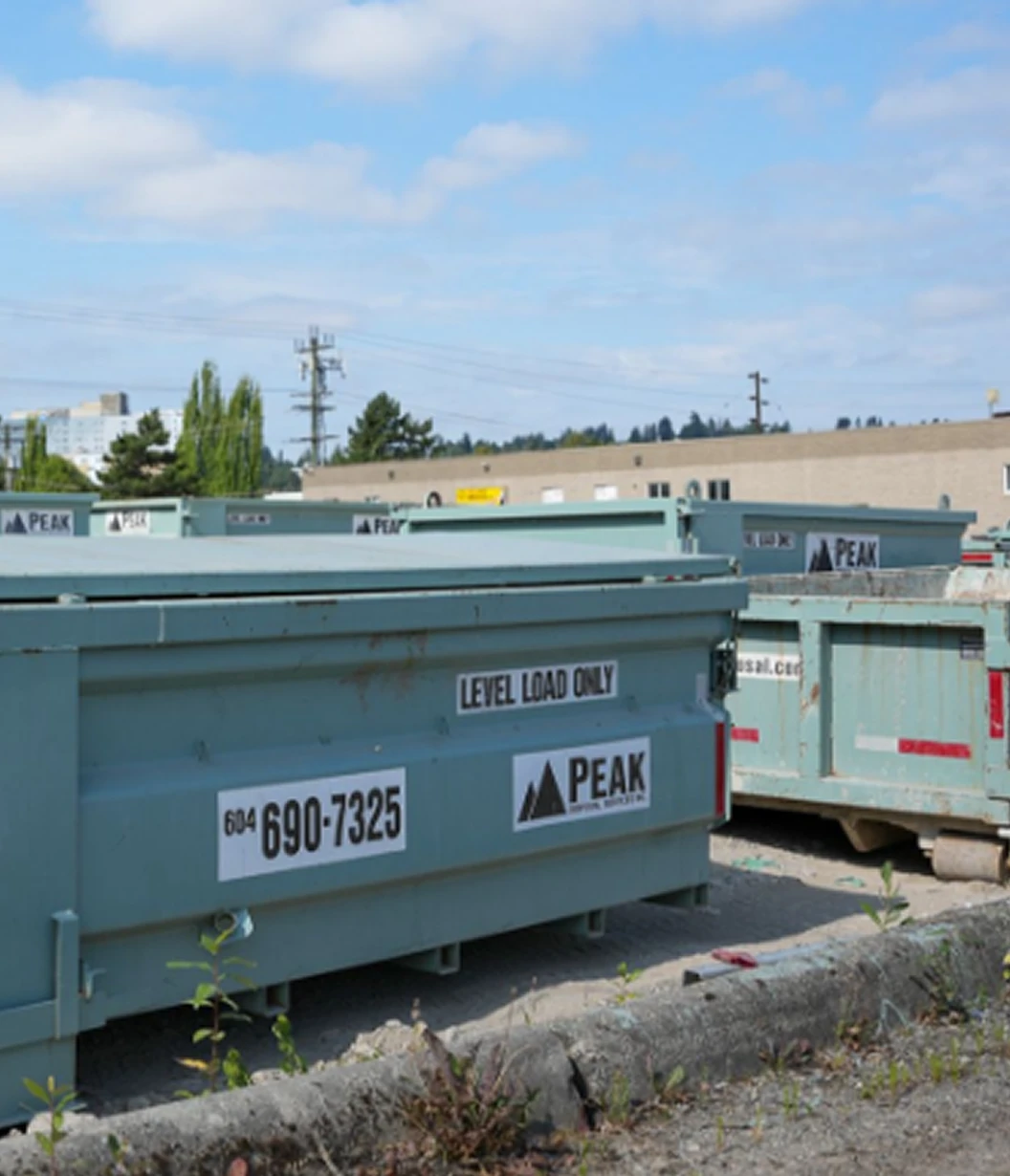
Important: Contaminated loads can reduce diversion performance and may affect how materials are processed or documented at receiving facilities.
LEED waste reporting involves more than hauling debris away from site. Reporting workflows typically rely on ongoing documentation and coordination throughout the project.
Common reporting considerations include:
Projects pursuing LEED-oriented goals often require organized documentation throughout construction phases rather than only at project completion.
Because of this, waste handling procedures are usually most effective when integrated into broader construction coordination from the beginning of the project.
Diversion-focused waste handling requires coordination between active job sites, hauling schedules, and receiving facilities that process recyclable materials.
Peak Disposal coordinates hauling and waste handling support based on project workflows, with dispatch support available for active construction projects requiring ongoing diversion coordination.
The process typically includes:
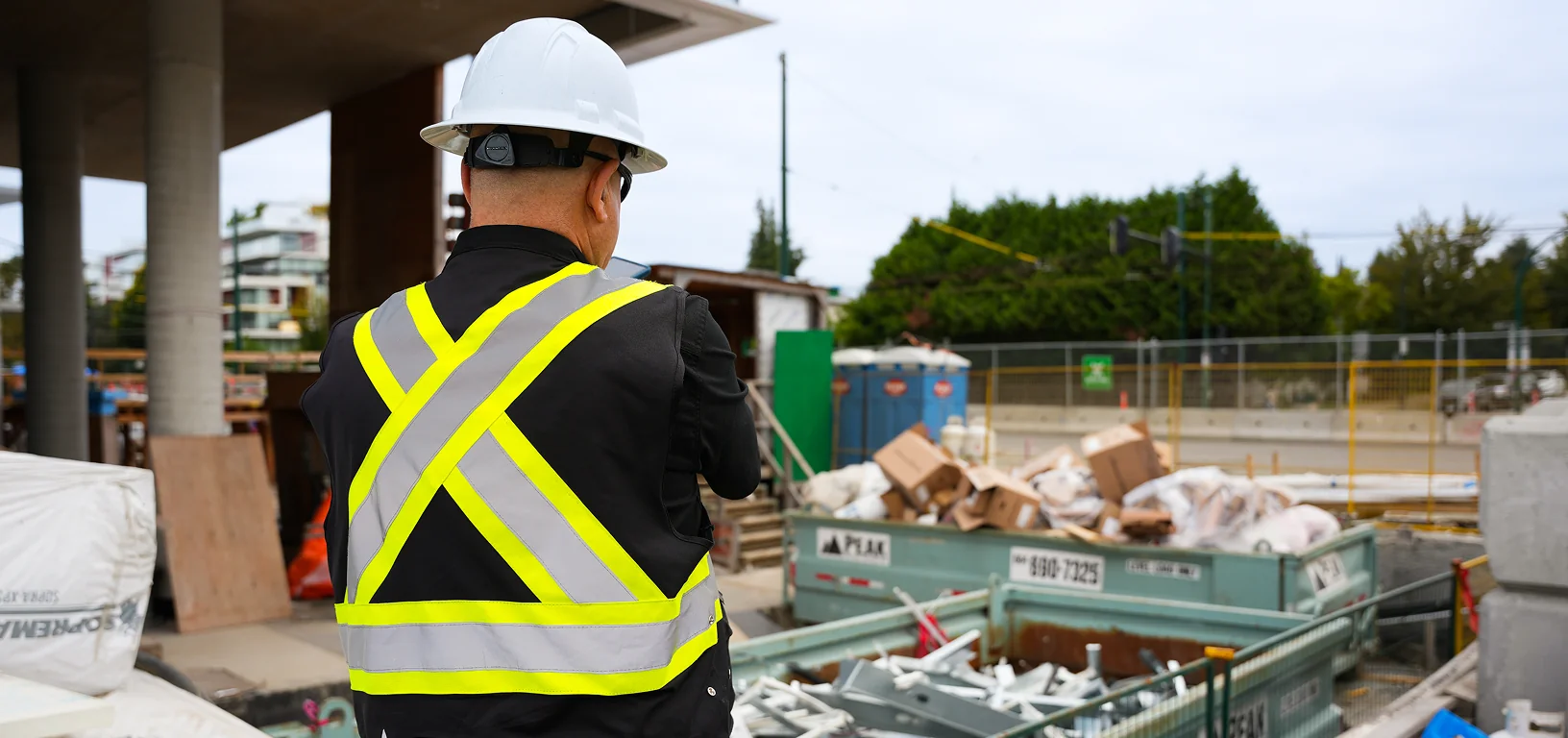
Waste streams, separation requirements, and diversion goals are reviewed before delivery.
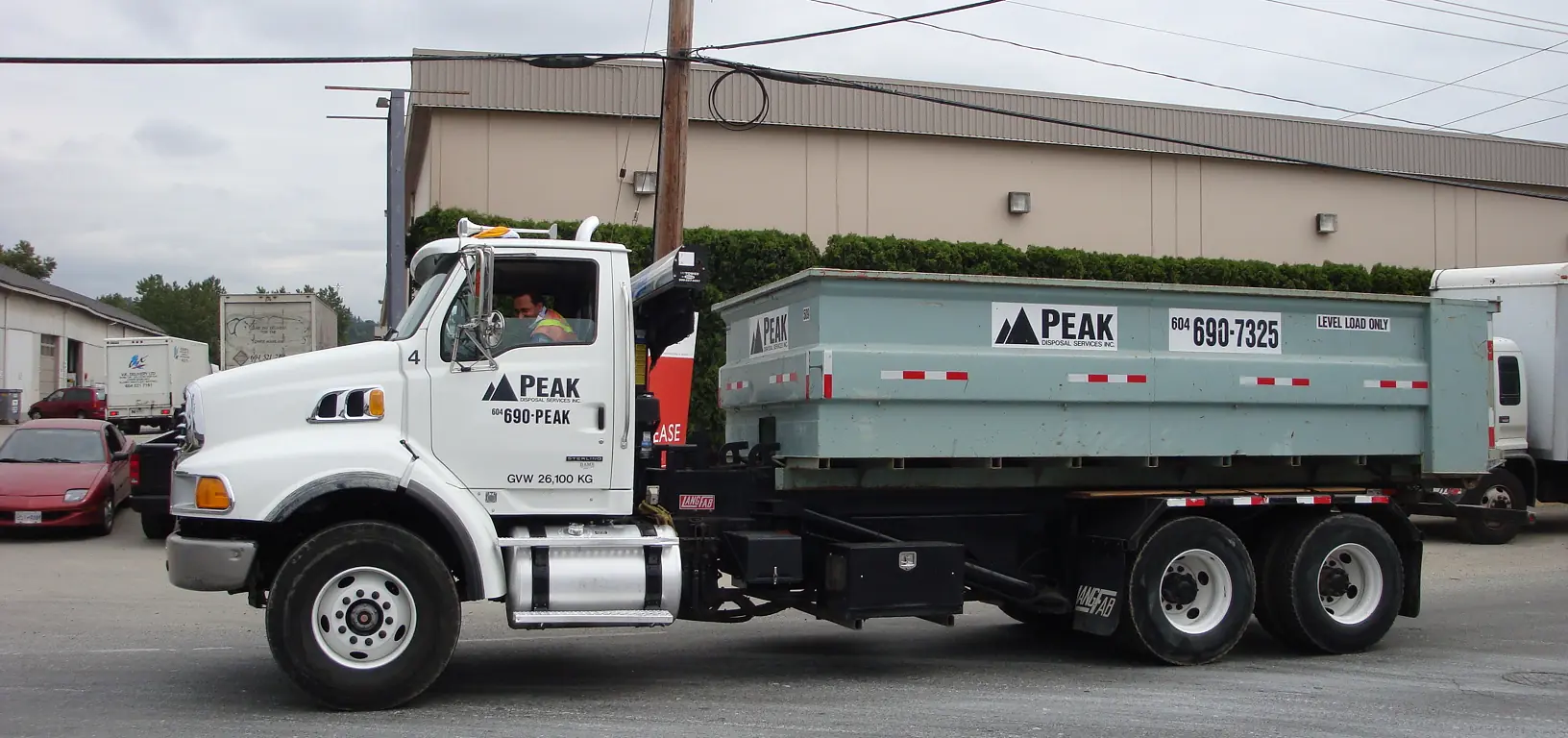
Dedicated bins are coordinated based on material type, access conditions, and project layout.
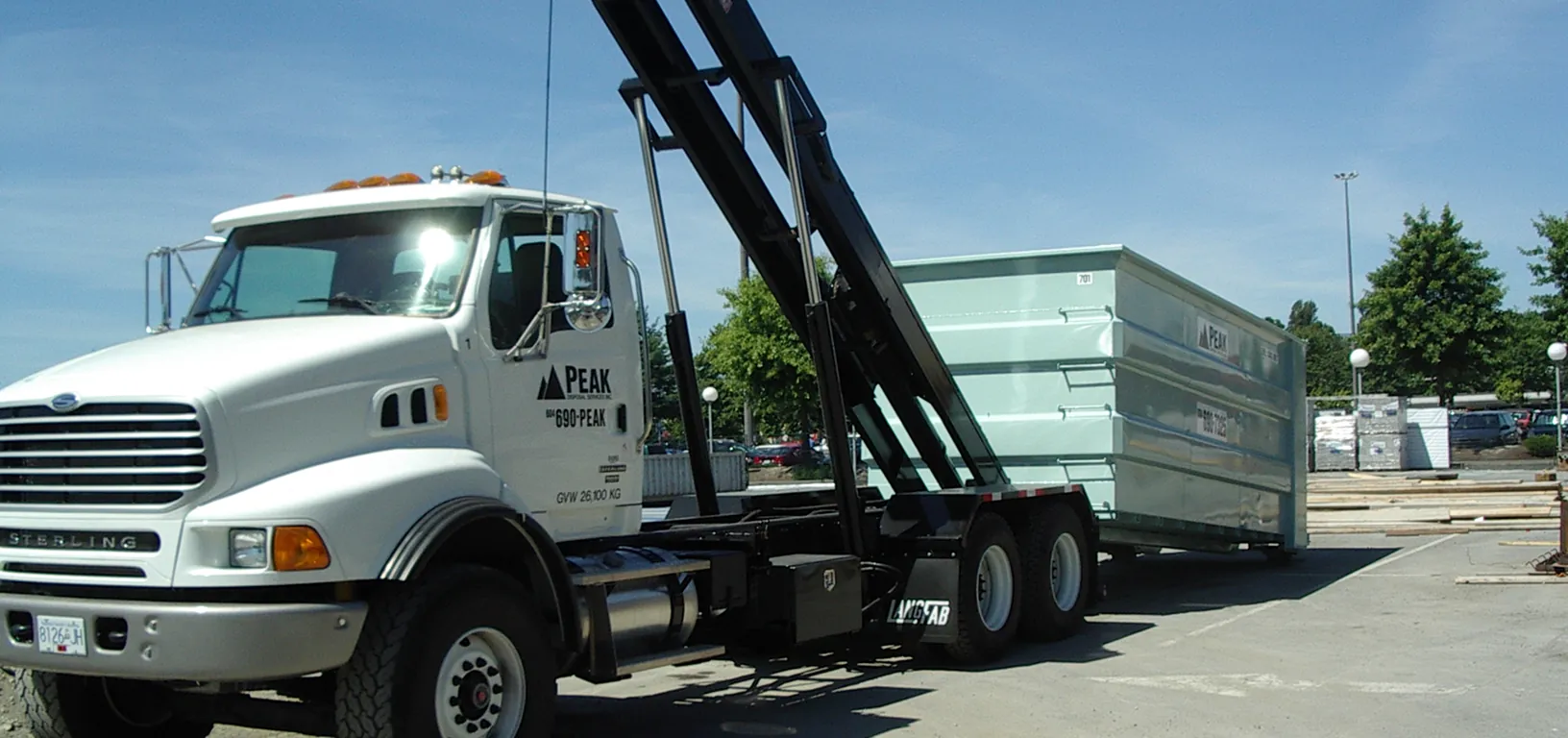
Hauling schedules and bin swaps are adjusted as project phases evolve.
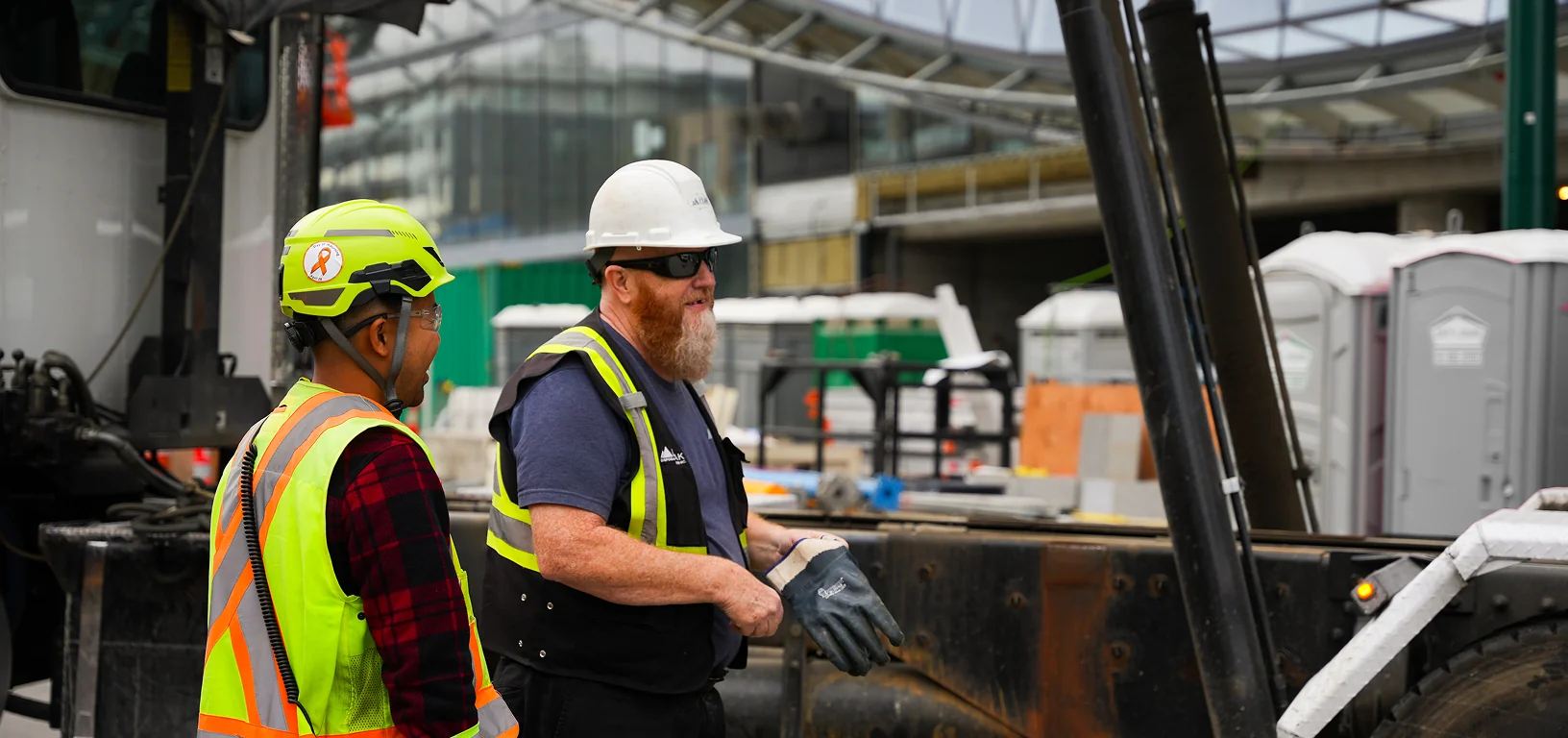
Materials are hauled to licensed disposal or recycling facilities for processing and diversion tracking support.
Consistent separation and hauling coordination help improve diversion outcomes while reducing contamination risks during active construction phases.
Waste reporting requirements vary depending on project size, diversion goals, and the number of active waste streams involved. Clear hauling coordination and organized reporting support help reduce avoidable documentation gaps later in the project lifecycle.
Construction waste handling in Richmond is increasingly influenced by diversion-focused project requirements, sustainability objectives, and the operational challenges of coordinating waste separation within active urban construction environments, including:
Projects generating significant construction waste may require additional coordination to maintain cleaner separation practices and organized diversion reporting throughout the project lifecycle.
For many Richmond commercial projects, diversion-focused waste handling is now closely tied to broader construction coordination and sustainability planning.
Peak Disposal supports Richmond construction projects requiring organized diversion-focused waste handling, coordinated hauling schedules, and ongoing reporting support across active project phases.
Suite 205, 145
Schoolhouse Street
Coquitlam BC V3K 4X8
Dispatch (604) 690-7325
Office (604) 951-1177
Monday - Saturday: 7:00 AM - 4:00 PM
Sunday: Closed
Peak Disposal serves Richmond city-wide, including Steveston, Ironwood, Blundell, Bridgeport and the Mitchell Island industrial area.
To successfully solve all the issues related to construction waste management, we have established Long-term and stable partnerships with various clients
"Efficient service, the delivery and pick up of the bin was provided on a timely manner, great service."
"Excellent service! Friendly employee dropped off the bin as requested on time. We had to request keeping the bin longer than what was quoted and they managed to do that for us. I would highly recommend and would use their services again if needed. Thanks so much!"
"I was amazed how fast the bin came after my call. The contractor I was using was expecting a 48 hour wait. I called Peak and we had a bin within 3 hours. Great service."
"Easy setup and solid delivery team. will be using again"
"Use them for work and home. Good price. Great service. Always a quick response. "
Peak Disposal supports Richmond LEED waste reporting for:
For projects involving multiple recyclable waste streams, separate bins and coordinated hauling schedules can help improve diversion consistency and reporting reliability.
Diversion-focused waste handling affects more than sustainability objectives alone. Organized reporting and cleaner material separation also help support:
Organized hauling aligned with diversion objectives
Cleaner material separation for improved diversion tracking
Approved processing for recyclable material streams
Structured waste management that supports reporting consistency
Flexible coordination aligned with evolving project phases

This operational approach helps waste diversion and reporting function as part of overall construction coordination rather than as a disconnected administrative process.
LEED waste reporting tracks how construction debris is separated, processed, and diverted away from landfill through organized recycling and recovery programs.
Cleaner material separation improves diversion accuracy, reduces contamination, and supports more reliable reporting documentation.
Projects commonly track weight tickets, hauling summaries, diversion calculations, and facility processing records throughout construction phases.
Yes. Mixed or contaminated loads can reduce diversion rates and complicate reporting accuracy.
Commercial construction, institutional projects, redevelopment work, and LEED-oriented construction programs commonly require diversion-focused reporting support.
Get organized diversion-focused hauling, coordinated waste separation support, and dependable reporting workflows for active construction projects across Richmond.

Managing a project in Richmond involves more than coordinating materials and trades. Bin placement and job site activity are regulated through municipal bylaws that affect

Excavating soil in Coquitlam does not automatically mean laboratory contamination testing is required. What needs to happen before soil leaves a property depends on factors

Excavation projects can generate large quantities of soil in a short period. Whether the work involves foundations, drainage systems, retaining walls, landscaping, utilities, driveways, or

Concrete is one of the most common materials removed during renovation, demolition, landscaping, and construction projects. Whether you’re replacing a driveway, removing a patio, demolishing

When a project starts generating unwanted materials, one of the first decisions many homeowners, contractors, and property managers face is whether to hire a junk

Garage clutter tends to build gradually over time. Seasonal items, unused furniture, renovation leftovers, broken equipment, and old storage bins often accumulate faster than they

Managing construction and commercial waste in Metro Vancouver involves more than hauling debris off site. For contractors, transfer stations play a central role in how



"Peak Disposal's customer service is top notch, very honest, reliable and so responsive! Highly recommended."