
Roofing projects generate heavy debris quickly during tear-offs and roof replacement work. Peak Disposal provides roofing dumpster rental in Vancouver for contractors, builders, and property owners that need dependable hauling, practical placement, and coordinated shingle disposal support.
Roofing dumpsters are specifically designed for projects generating dense roofing debris and continuous tear-off waste during active roofing work.
Roofing dumpster rental helps contractors and property owners manage debris safely throughout active roofing phases rather than relying on repeated hauling trips or overloaded cleanup piles.
Unlike standard cleanup bins, roofing dumpsters are intended for dense debris loads, faster swap coordination, and practical loading access near active roofing zones.
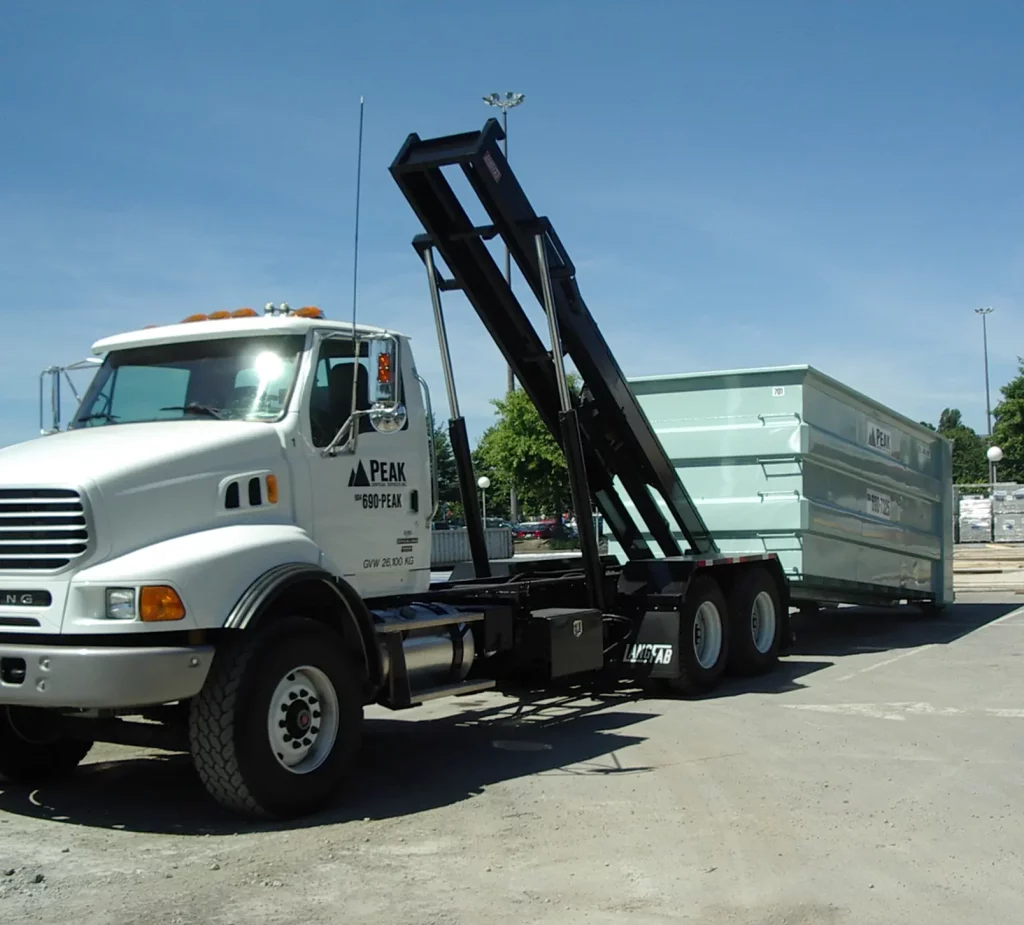
Roofing dumpster rental is especially important when:

Roofing materials are significantly heavier than most general construction debris. Choosing the correct roofing dumpster helps maintain safe hauling conditions while reducing overloading risks and unnecessary swap delays.

Asphalt Shingles, Tile Roofing, Dense Roofing Debris
Best for:
Small Roofing Tear-Offs
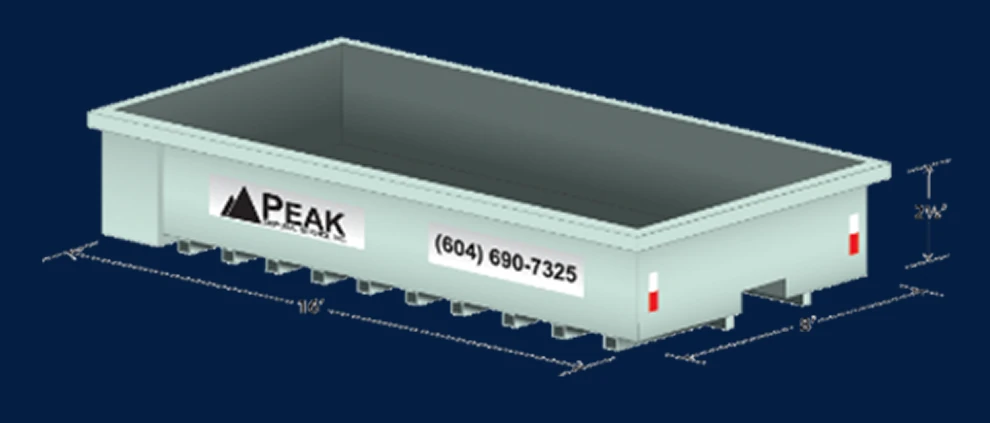
Asphalt Shingles, Tile Roofing
Best for:
Residential Tear-Offs
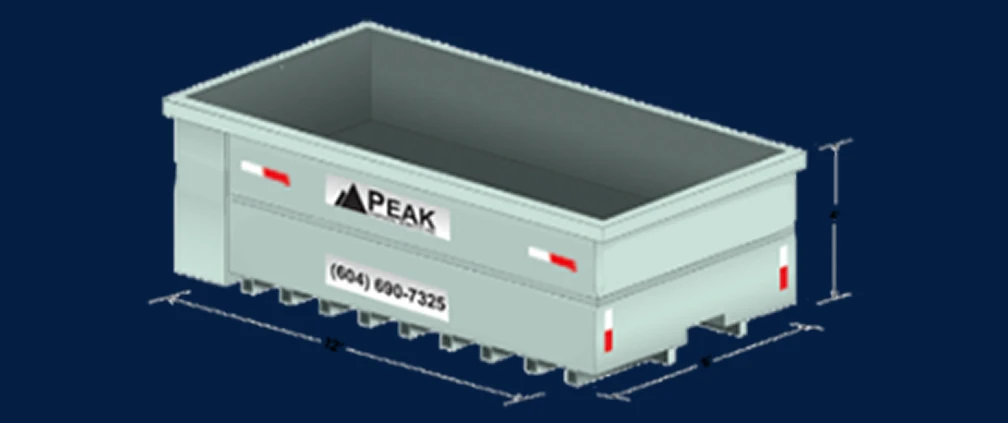
Roofing Shingles & Plywood
Best for:
Medium Roofing Projects
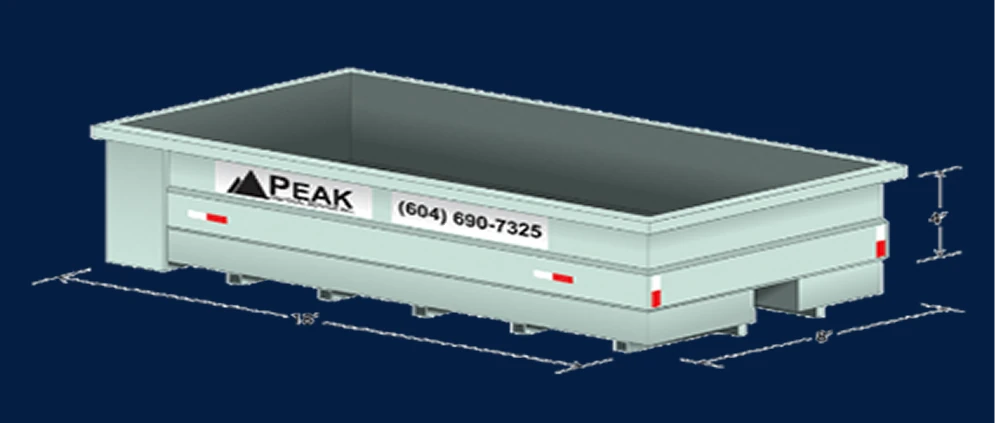
Mixed Roofing Materials
Best for:
Large Residential Roofing
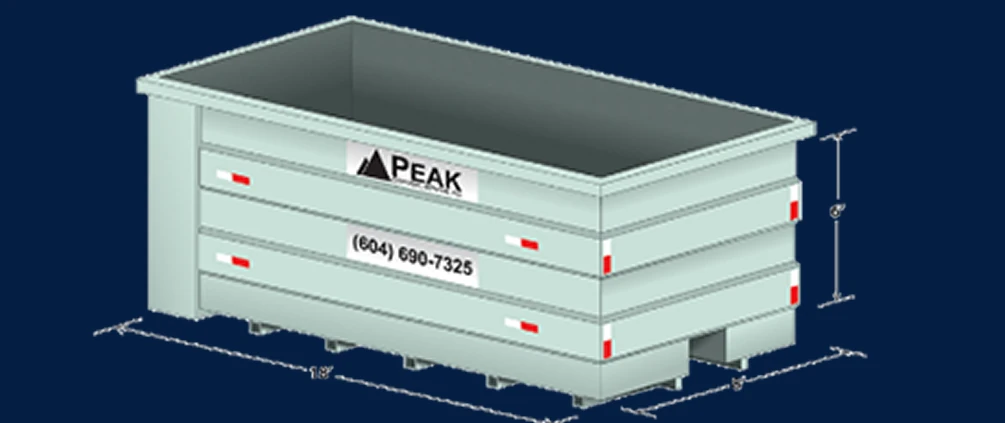
Commercial Roofing Debris
Best for:
Commercial Roofing Work
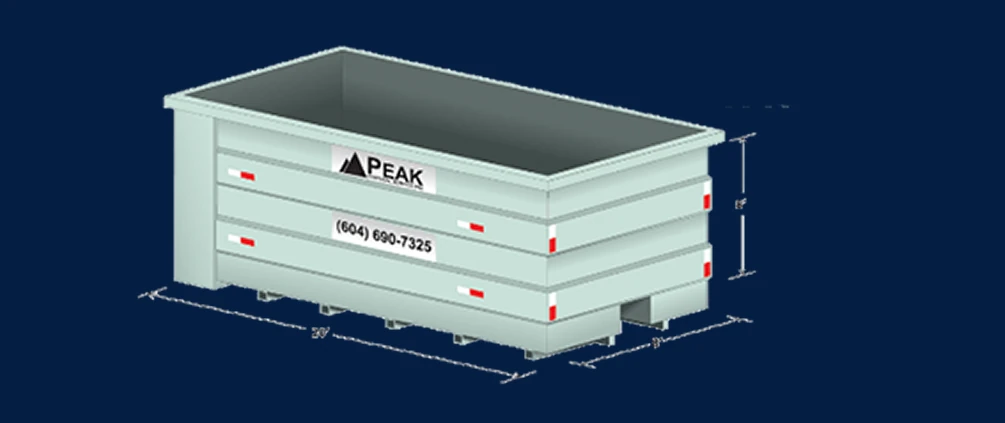
Bulky Roofing Materials
Best for:
Large Redevelopment Projects
Important: Heavy roofing materials such as asphalt shingles, tile roofing, and saturated roofing debris are typically restricted to smaller bins to maintain safe transportation weight limits.
Roof tear-offs can generate large amounts of heavy debris within a very short period of time. Once loading areas become congested, roofing crews may lose efficiency and cleanup conditions can deteriorate quickly.
Choosing the correct roofing dumpster early helps maintain safer loading conditions, improve hauling efficiency, and reduce unnecessary disruptions during active roofing work.
Dispatch can help coordinate:
Roofing dumpsters are intended for non-hazardous roofing and exterior-removal debris.
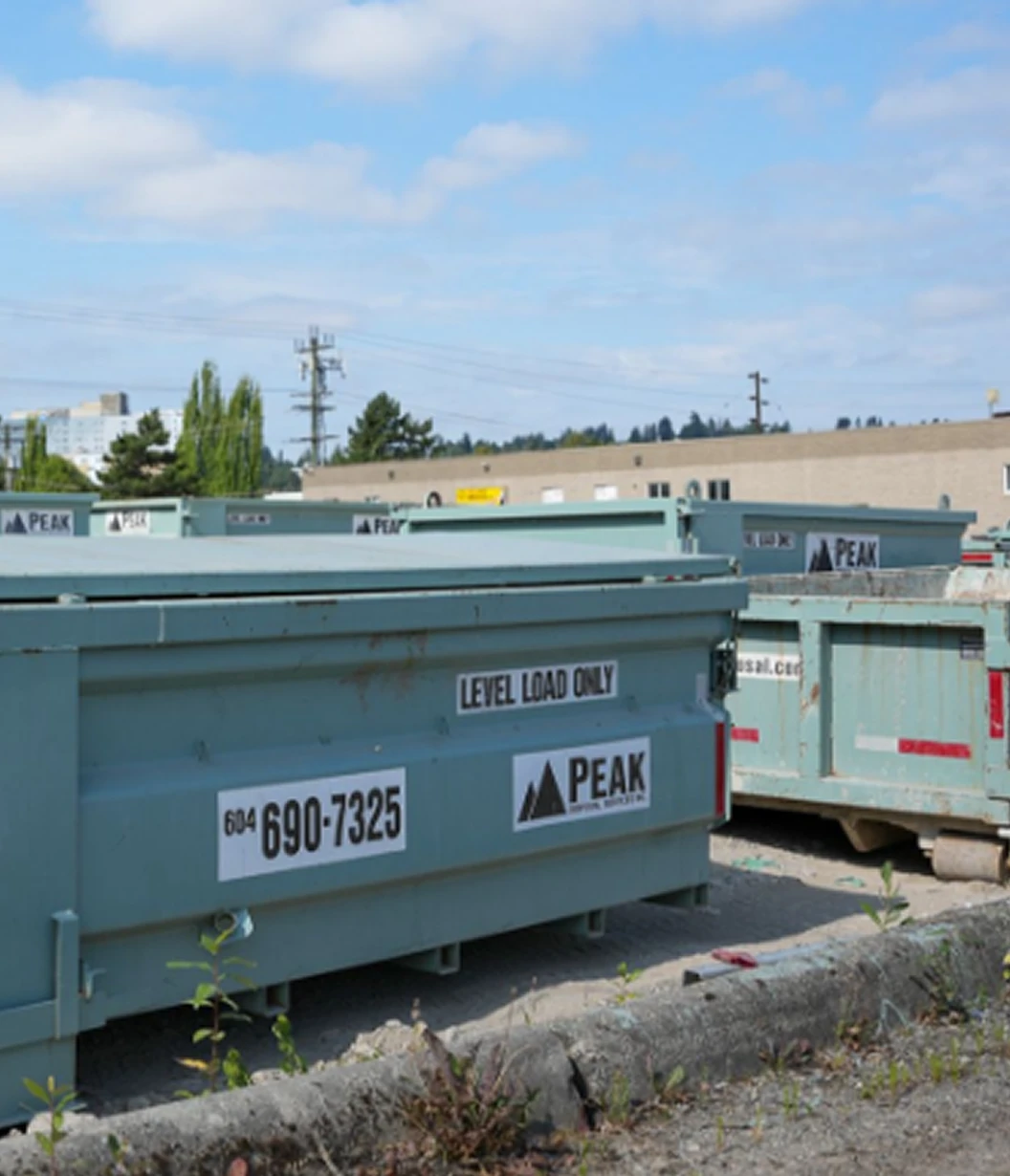
Important: Certain materials may require separate disposal procedures depending on contamination risks and local disposal regulations.
Roofing dumpster pricing depends on several operational factors beyond the container size itself.
Key pricing considerations include:
Asphalt shingles and tile roofing can increase hauling weight rapidly even when the dumpster is not visually full. Steep driveways, restricted lane access, and limited loading space may also affect delivery coordination.
Because of this, roofing dumpster pricing is generally based on both debris type and project conditions.
Roofing projects often generate debris unevenly throughout the project timeline. Tear-off phases usually create the highest waste volume in a short period, while replacement stages may require ongoing hauling coordination.
Peak Disposal coordinates roofing dumpster delivery and pickup based on active project conditions, with dispatch support available for ongoing hauling adjustments and swap scheduling.
The process typically includes:
Roofing material type, debris volume, and placement conditions are reviewed before delivery.
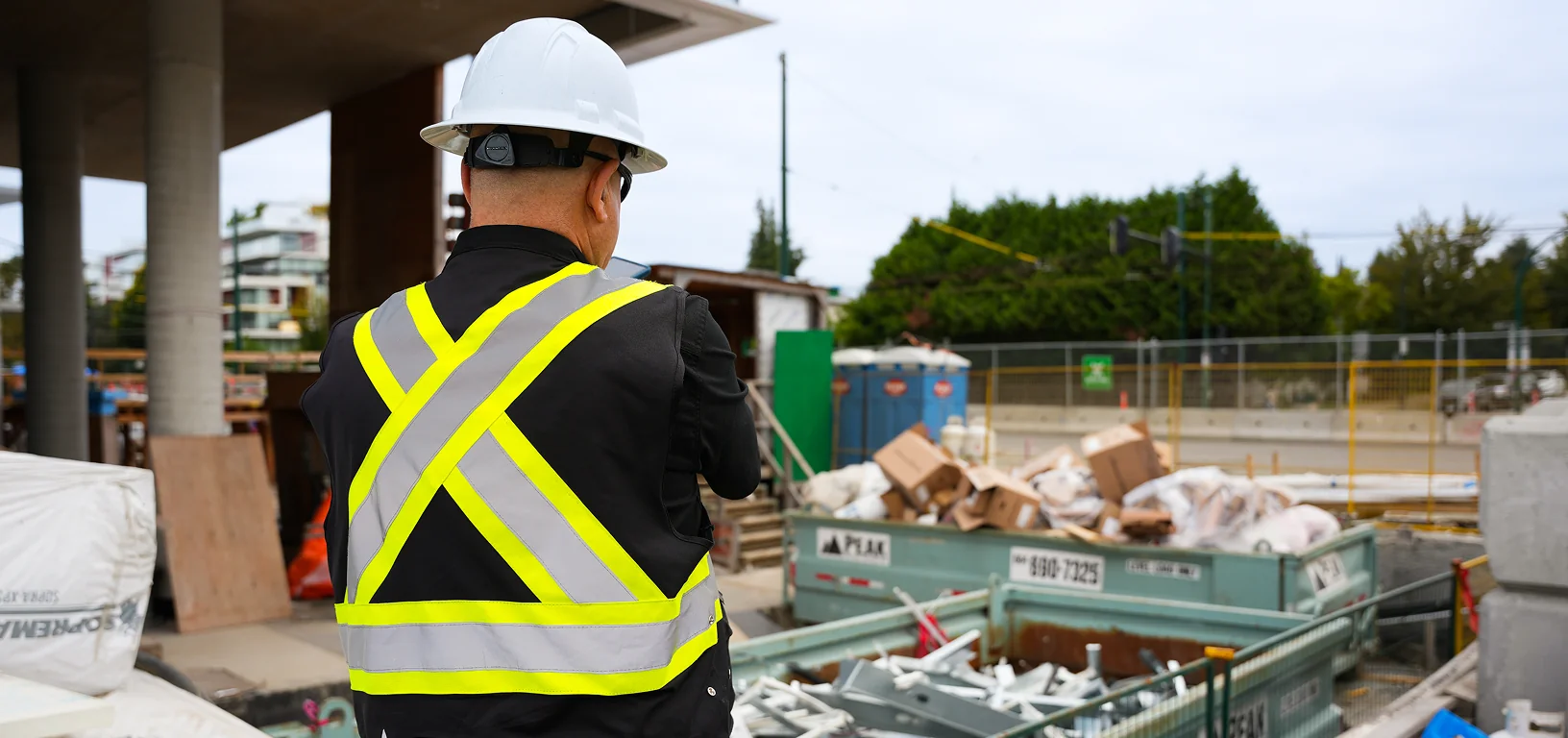
Roofing dumpsters are positioned based on driveway access, loading efficiency, and active roofing areas.
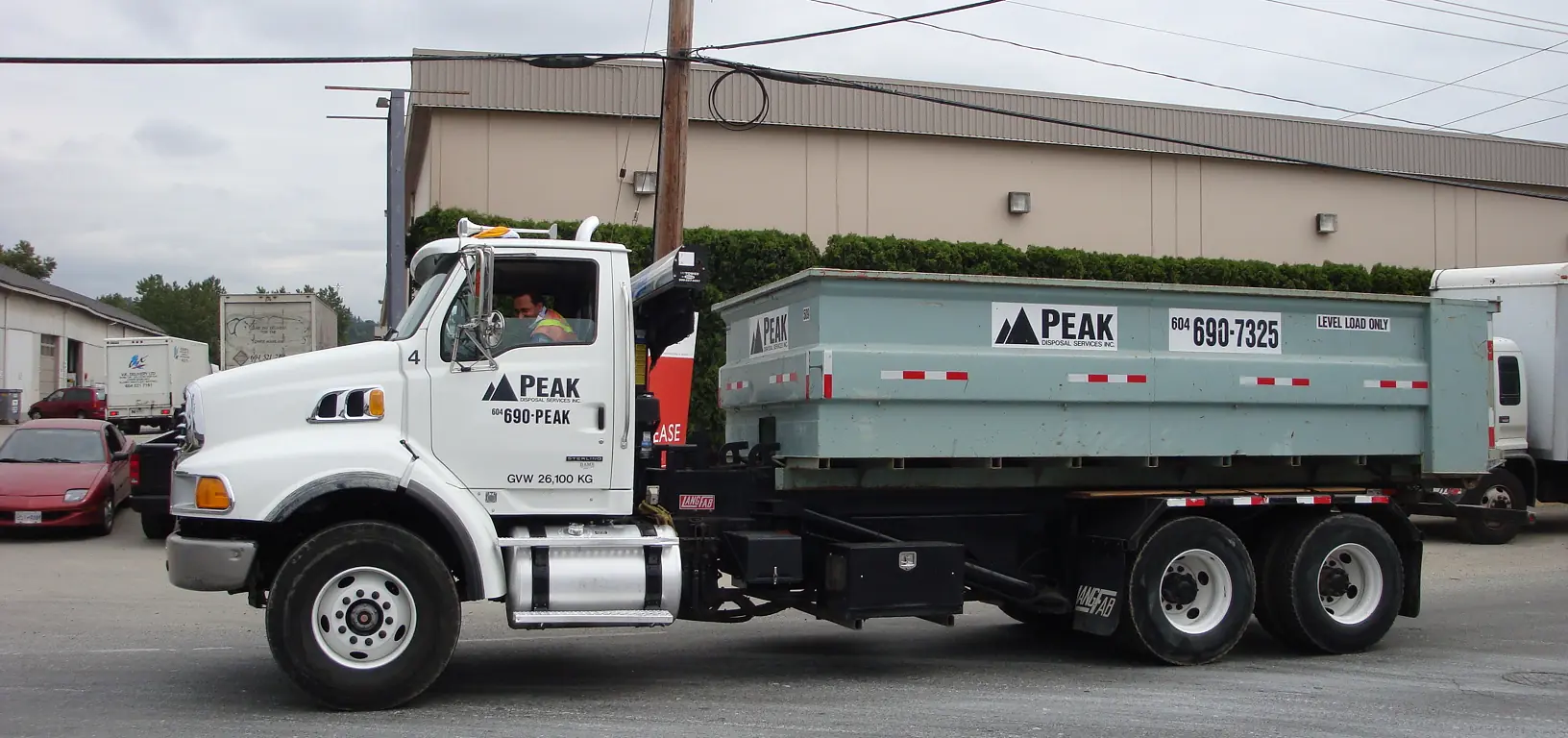
Swap coordination is available if debris volume exceeds initial capacity during active tear-off phases.
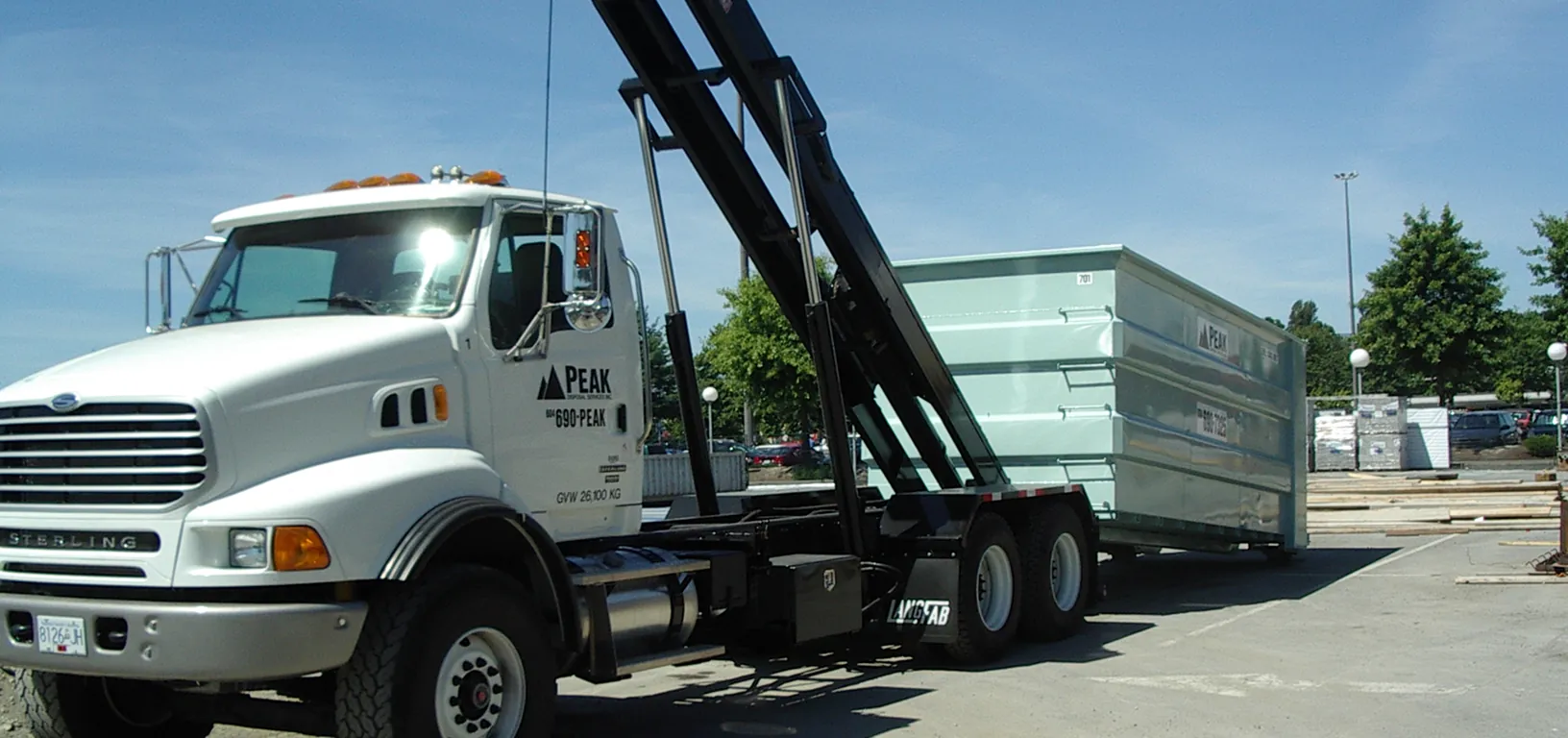
Roofing debris is hauled to licensed disposal or recycling facilities for processing and waste management support.
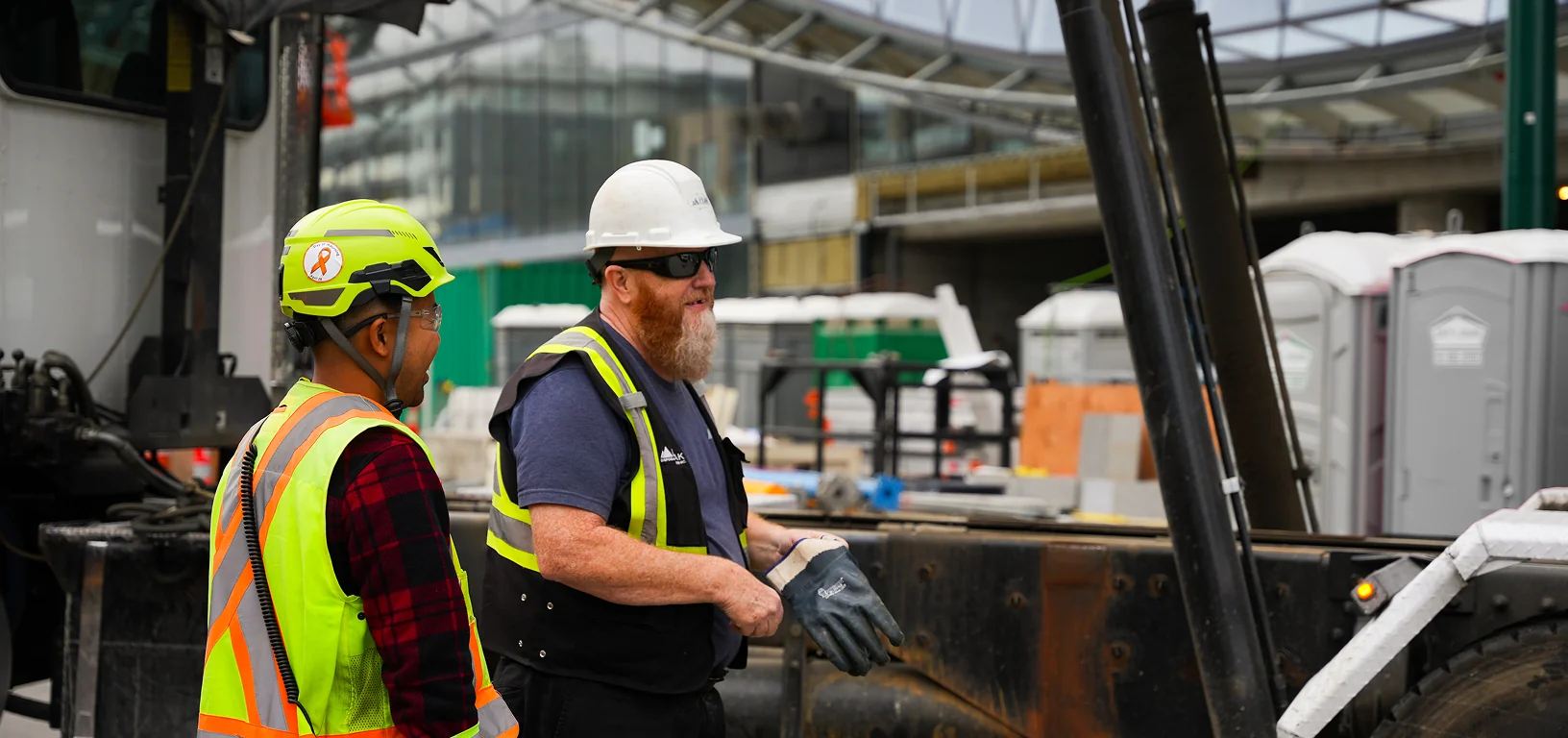
Same-day or next-day delivery may be available depending on project location and dispatch scheduling.
Roofing projects vary significantly depending on roof size, material type, loading access, and debris volume.
Practical hauling coordination and proper dumpster sizing help roofing projects remain organized and efficient throughout active tear-off and replacement phases.
Roofing dumpster placement in Vancouver is often affected by property-access limitations, municipal placement requirements, and the logistical challenges of operating in dense residential neighborhoods, including:
Projects placing dumpsters on public streets or lanes may require permits depending on location and placement duration.
Roofing projects must also coordinate debris loading and hauling around local construction-noise regulations that may affect:
For many Vancouver roofing projects, proper dumpster placement planning helps maintain safer work areas and reduce avoidable disruptions throughout the project timeline.
Peak Disposal coordinates roofing dumpster rental across Vancouver, including projects with limited driveway space, lane-access constraints, permit considerations, and active roofing schedules.
Driveway-friendly placement options help reduce the risk of property damage while maintaining efficient loading access throughout the project.
Suite 205, 145
Schoolhouse Street
Coquitlam BC V3K 4X8
Dispatch (604) 690-7325
Office (604) 951-1177
Monday - Saturday: 7:00 AM - 5:00 PM
Sunday: Closed
Peak Disposal delivers across Vancouver, from Mount Pleasant and Kitsilano through Grandview-Woodland, Marpole, Dunbar and the West End.
To successfully solve all the issues related to construction waste management, we have established Long-term and stable partnerships with various clients
"Efficient service, the delivery and pick up of the bin was provided on a timely manner, great service."
"Excellent service! Friendly employee dropped off the bin as requested on time. We had to request keeping the bin longer than what was quoted and they managed to do that for us. I would highly recommend and would use their services again if needed. Thanks so much!"
"I was amazed how fast the bin came after my call. The contractor I was using was expecting a 48 hour wait. I called Peak and we had a bin within 3 hours. Great service."
"Easy setup and solid delivery team. will be using again"
"Use them for work and home. Good price. Great service. Always a quick response. "
Peak Disposal provides roofing dumpster rental and roofing dumpster hauling support in Vancouver for:
For projects involving multiple waste streams, separate dumpsters and coordinated hauling schedules can also help improve loading efficiency and debris management.
Roofing debris removal affects more than cleanup alone. Reliable hauling coordination helps maintain:
Faster response for active roofing schedules
Timely replacements during tear-off and loading phases
Responsible processing through approved facilities
Coordinated hauling for dense roofing debris
Flexible coordination aligned with roofing workflow

This operational approach helps roofing waste removal function as part of the project workflow rather than as a source of avoidable delays.
This depends on the roof size, roofing material, and expected debris volume. Dense materials such as asphalt shingles often require smaller dumpsters to maintain safe hauling weight limits.
In some cases, yes. Permits may be required if the dumpster is placed on public property such as a street or lane.
Standard rental periods are typically up to 14 days, though longer arrangements may be available depending on project requirements.
Some mixing may be permitted, though separating certain materials can improve hauling efficiency and reduce contamination issues.
Overloaded dumpsters may need to be reduced before hauling to comply with transportation safety requirements.
Get dependable roofing dumpster rental, coordinated hauling support, and practical debris management for roofing projects across Vancouver.

Excavation projects can generate large quantities of soil in a short period. Whether the work involves foundations, drainage systems, retaining walls, landscaping, utilities, driveways, or

Concrete is one of the most common materials removed during renovation, demolition, landscaping, and construction projects. Whether you’re replacing a driveway, removing a patio, demolishing

When a project starts generating unwanted materials, one of the first decisions many homeowners, contractors, and property managers face is whether to hire a junk

Garage clutter tends to build gradually over time. Seasonal items, unused furniture, renovation leftovers, broken equipment, and old storage bins often accumulate faster than they

Managing construction and commercial waste in Metro Vancouver involves more than hauling debris off site. For contractors, transfer stations play a central role in how

Construction waste diversion reporting has become an increasingly important part of commercial and large-scale construction projects in Vancouver. As sustainability standards, municipal expectations, and LEED-oriented

Renting a bin for a renovation or cleanup project in North Vancouver involves more than selecting a size and scheduling delivery. In many parts of
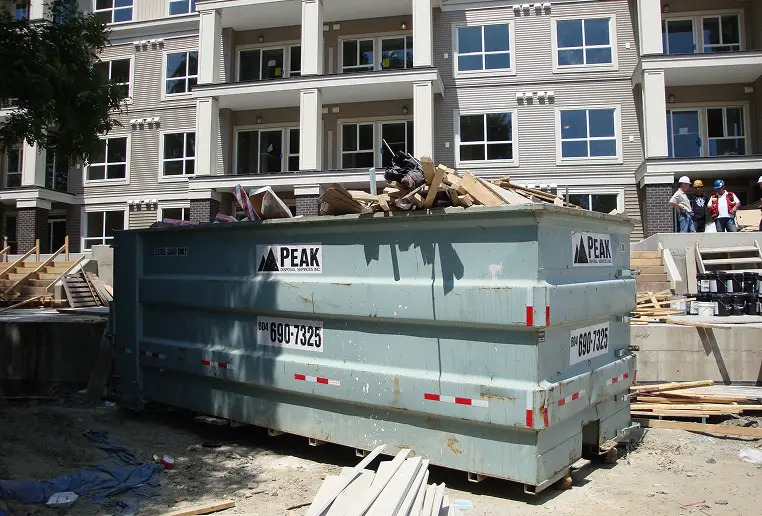


"Peak Disposal's customer service is top notch, very honest, reliable and so responsive! Highly recommended."